Mars & Moon
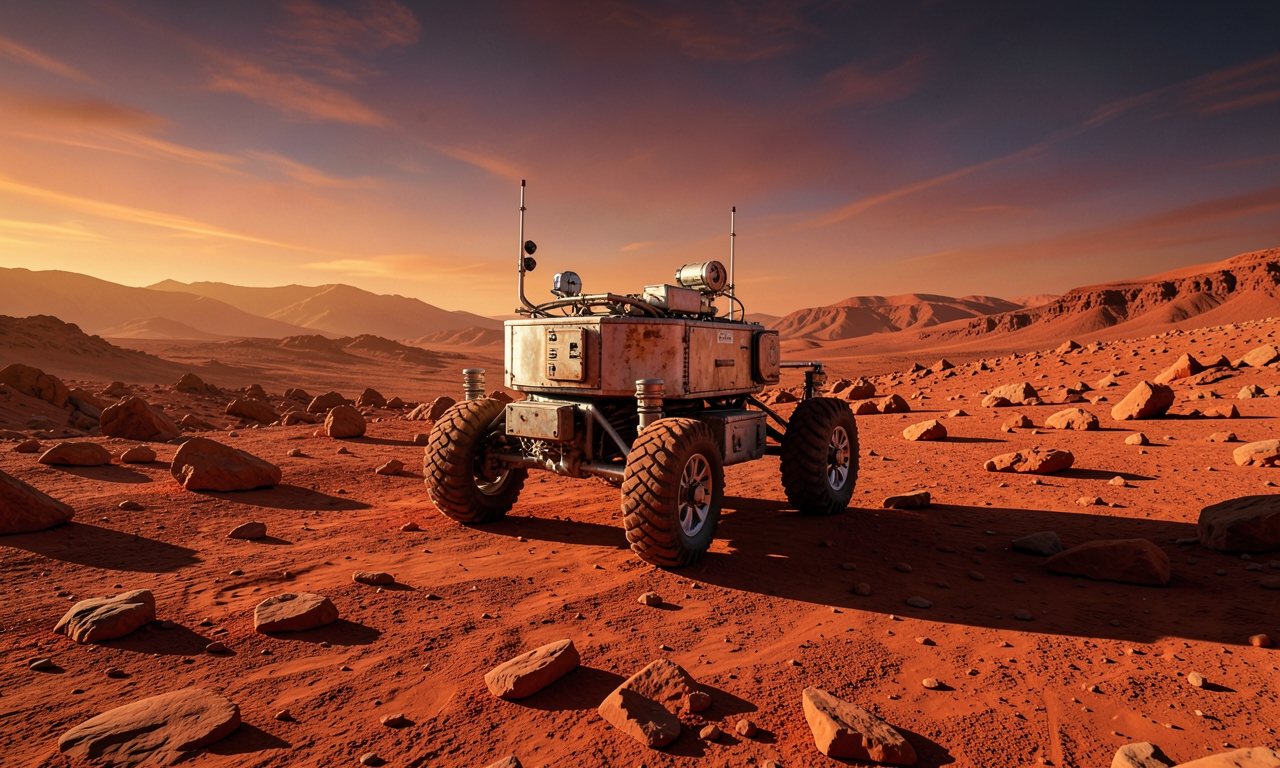
Ancient Mars Rocks Reveal Hidden Carbonate Reservoirs
New analysis of Martian rocks suggests the planet may store more carbonate underground than previously thought.
Space, spaceflight & New Space – fresh daily, AI-assisted
New analysis of Martian rocks suggests the planet may store more carbonate underground than previously thought.
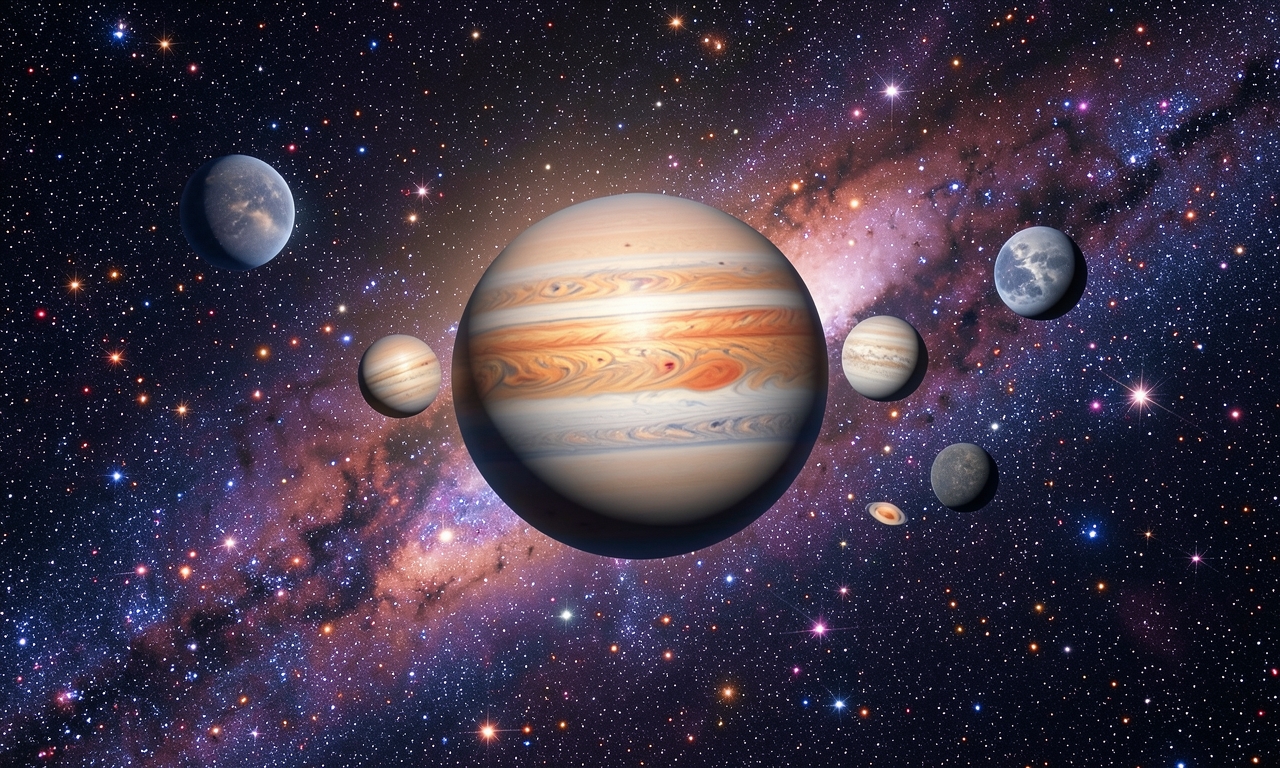
From late 2026 into early 2027, a special viewing window opens for the major Jovian moons.
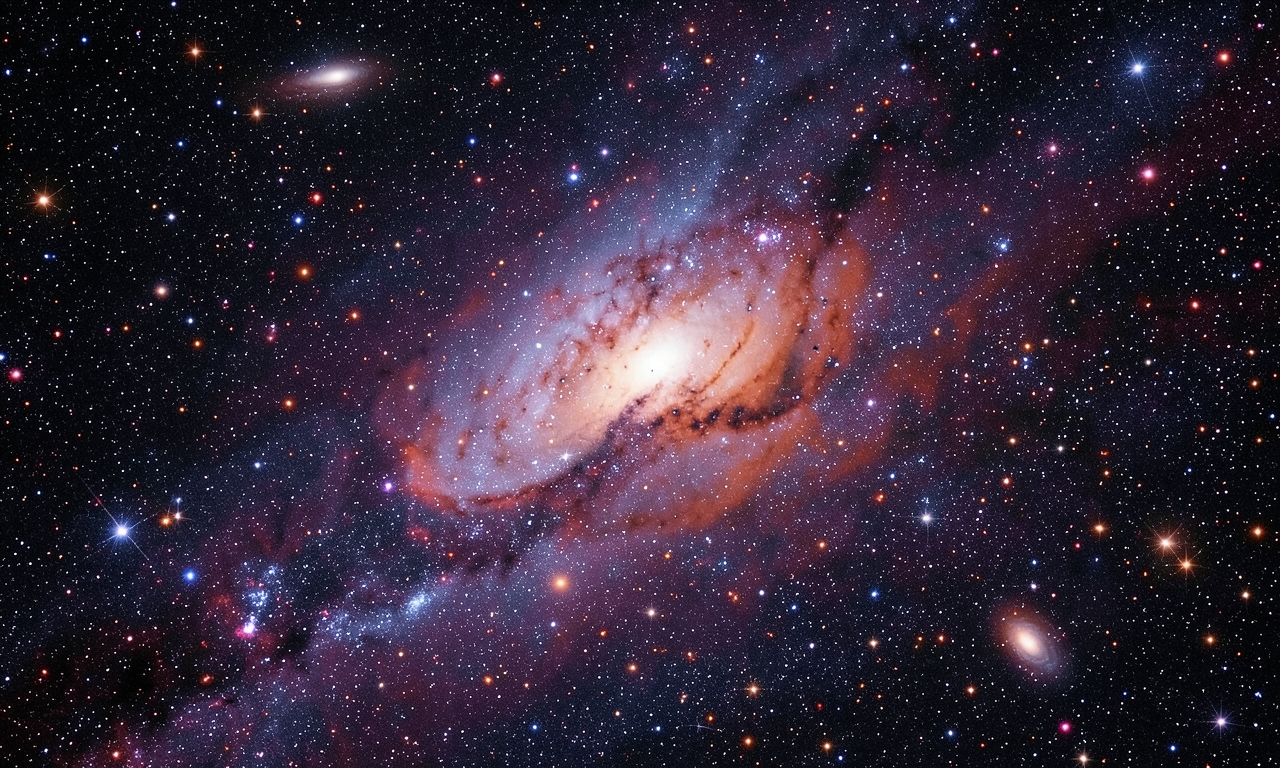
Simulations on the ATERUI III supercomputer suggest that the enigmatic Little Red Dots observed by JWST are rapidly growing black holes in the early universe.
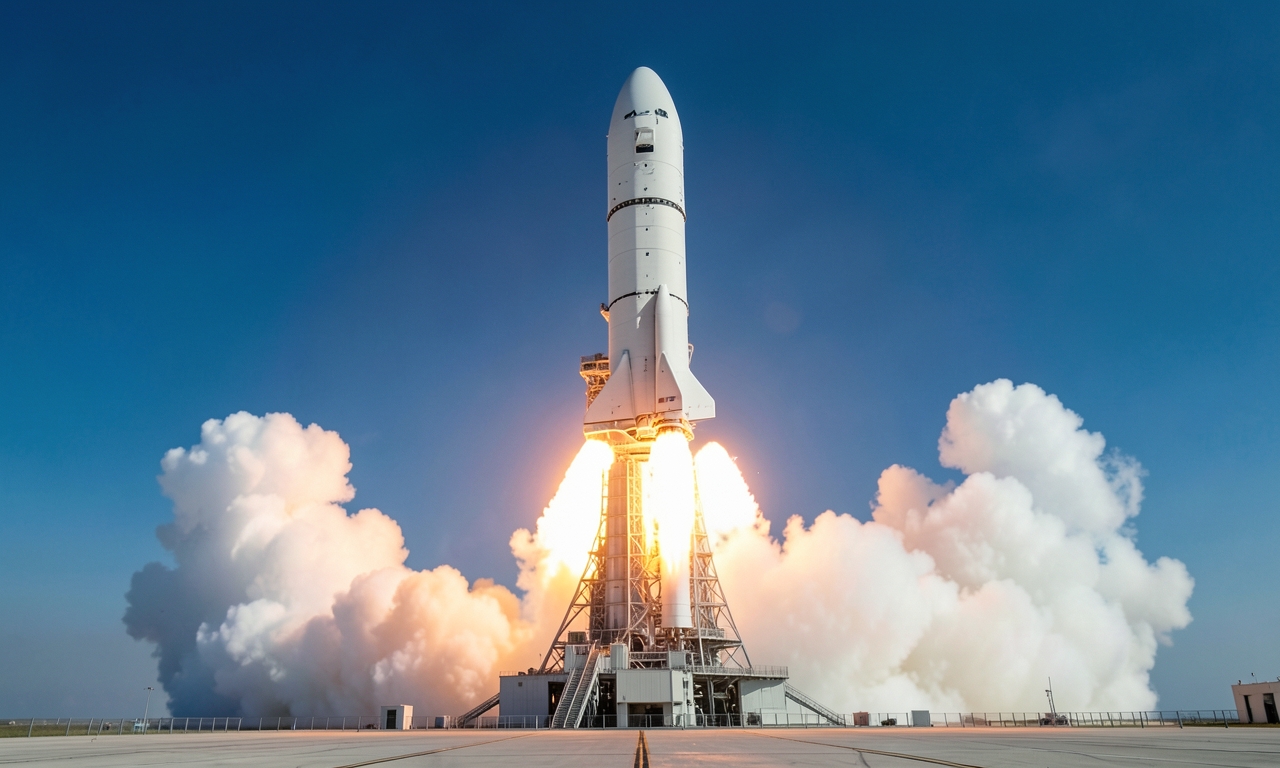
On September 17, 1976, NASA revealed the OV-101 orbiter, which would later be named Enterprise. The unveiling took place on Constitution Day during the United States’ bicentennial year.
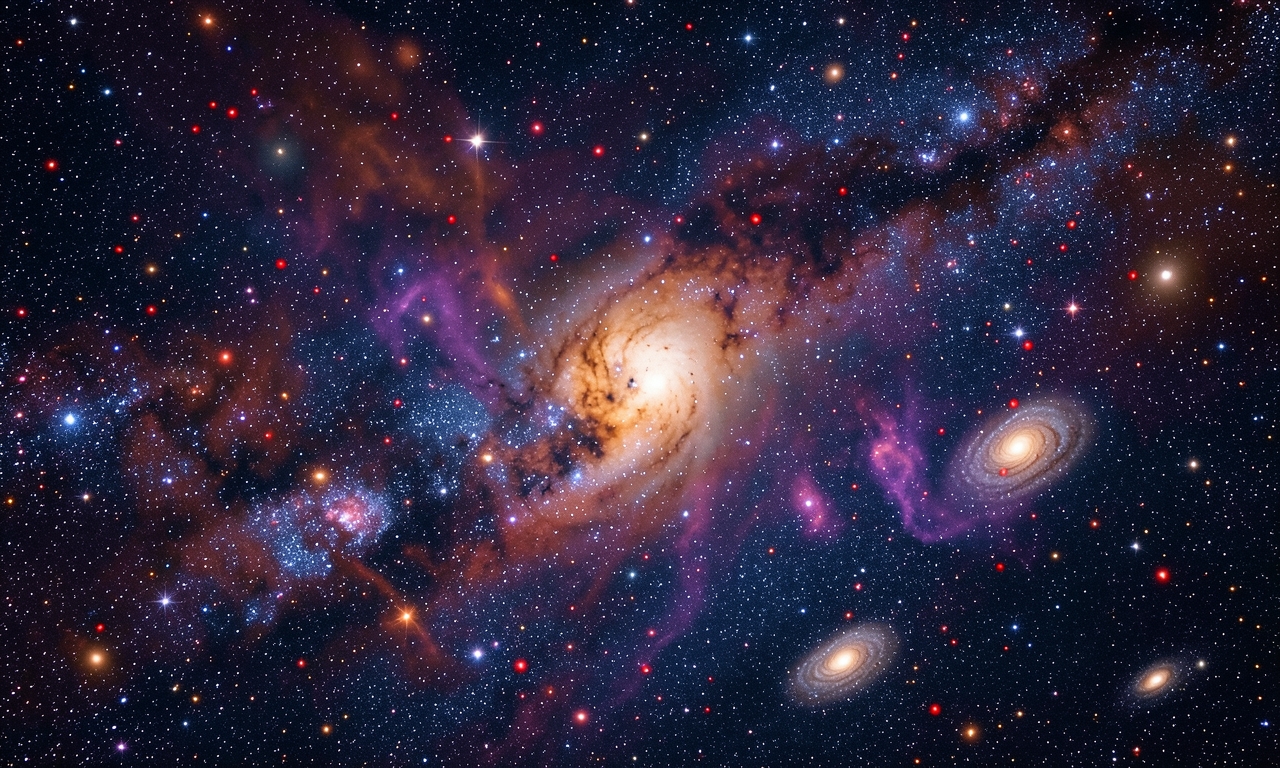
Simulations indicate that overmassive black holes can form easily in the early universe, with spectra matching those of Little Red Dots, which later evolve into bright quasars and supermassive galactic black holes.
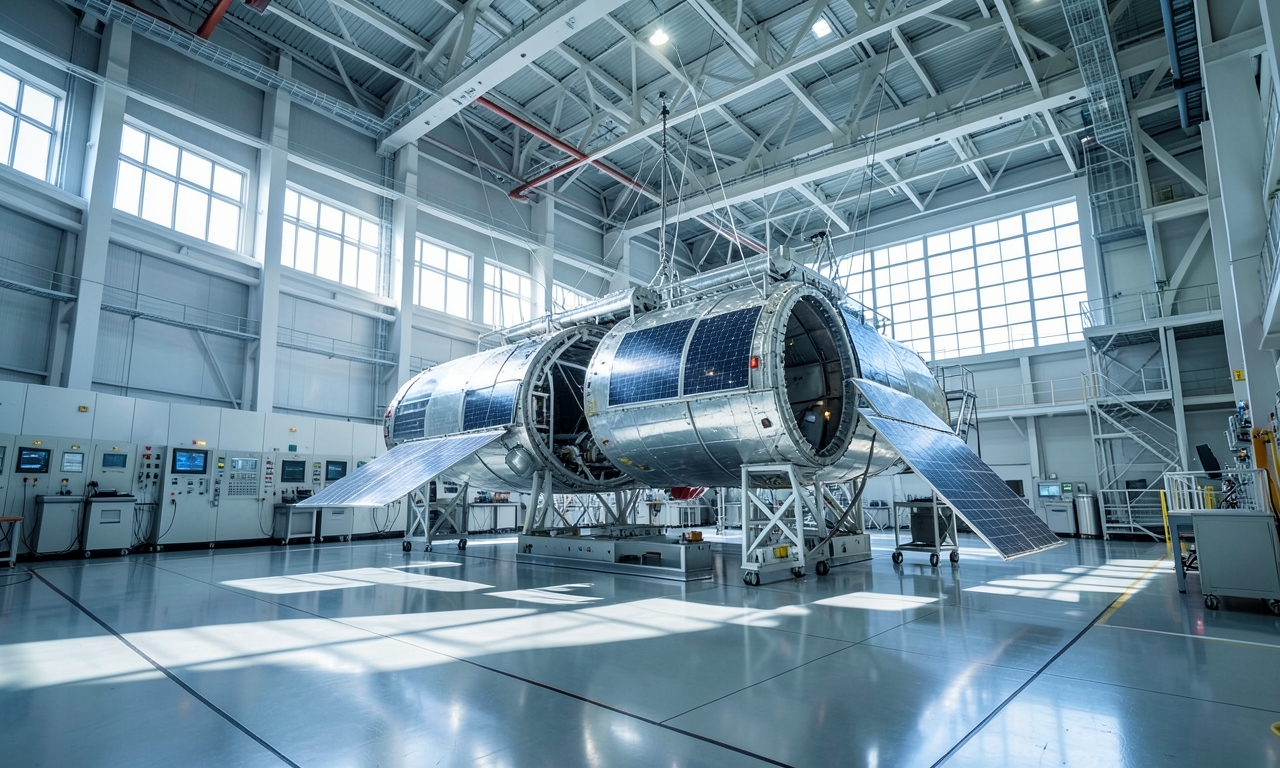
A podcast interview at the World Space Business Week in Paris discusses Europe’s drive for greater autonomy in space activities.
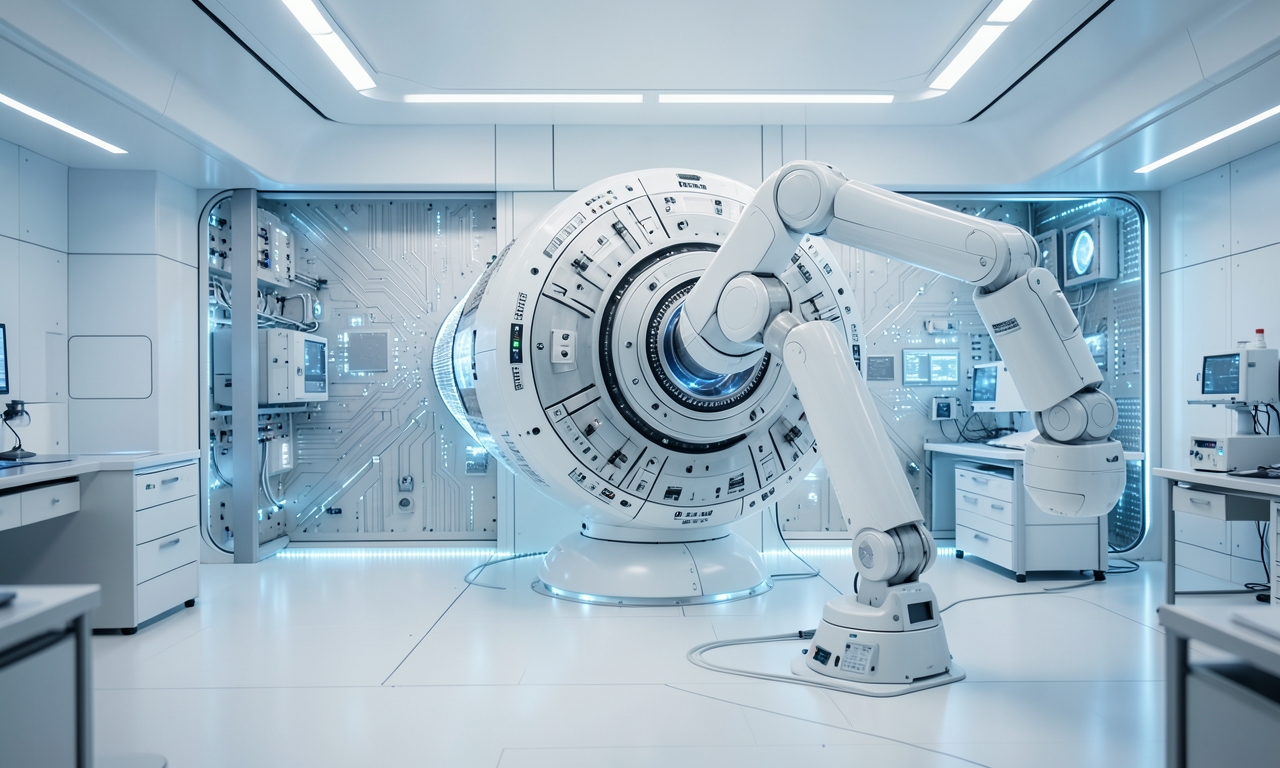
Icarus Robotics has completed initial free‑flight tests of its Joy robot in Canada, preparing the system for a planned demonstration on the International Space Station in 2027.
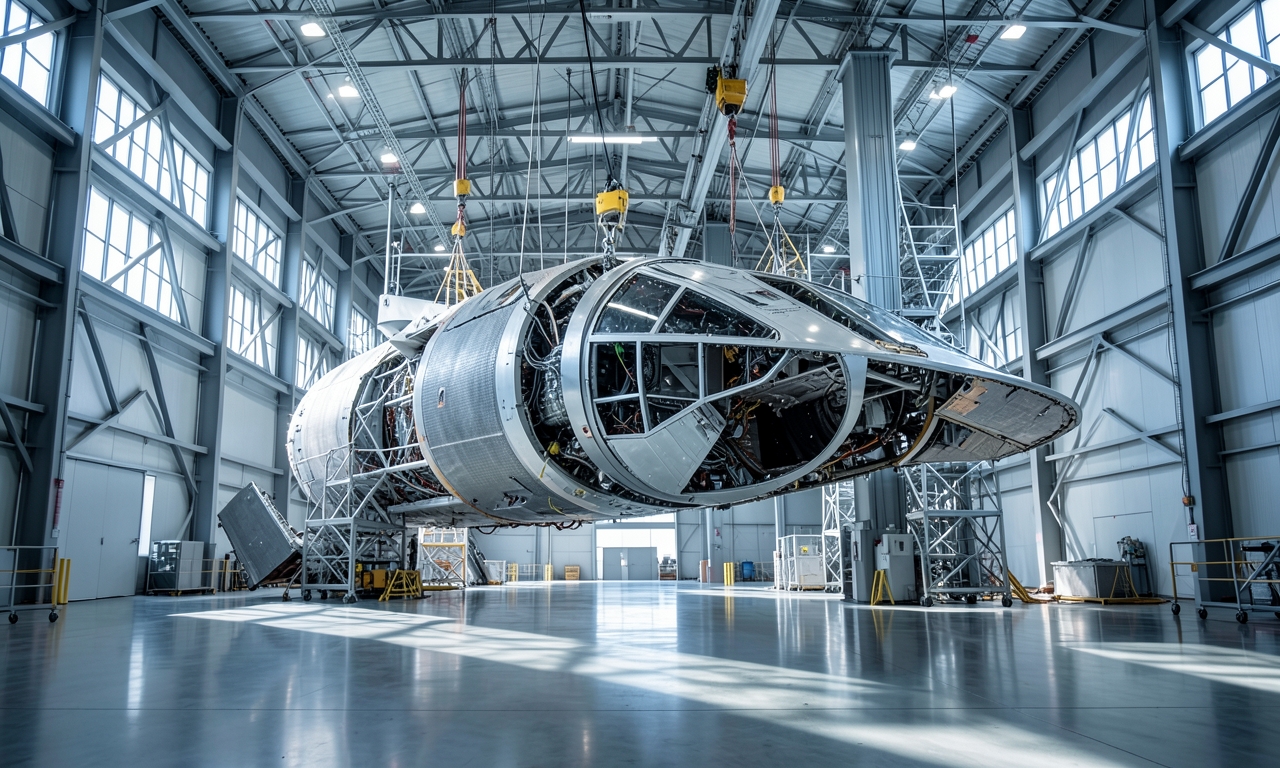
ESA awarded three space companies with prizes for excellence and innovation. The ceremony took place during the Industry Space Days 2026 at ESA‑ESTEC in the Netherlands.
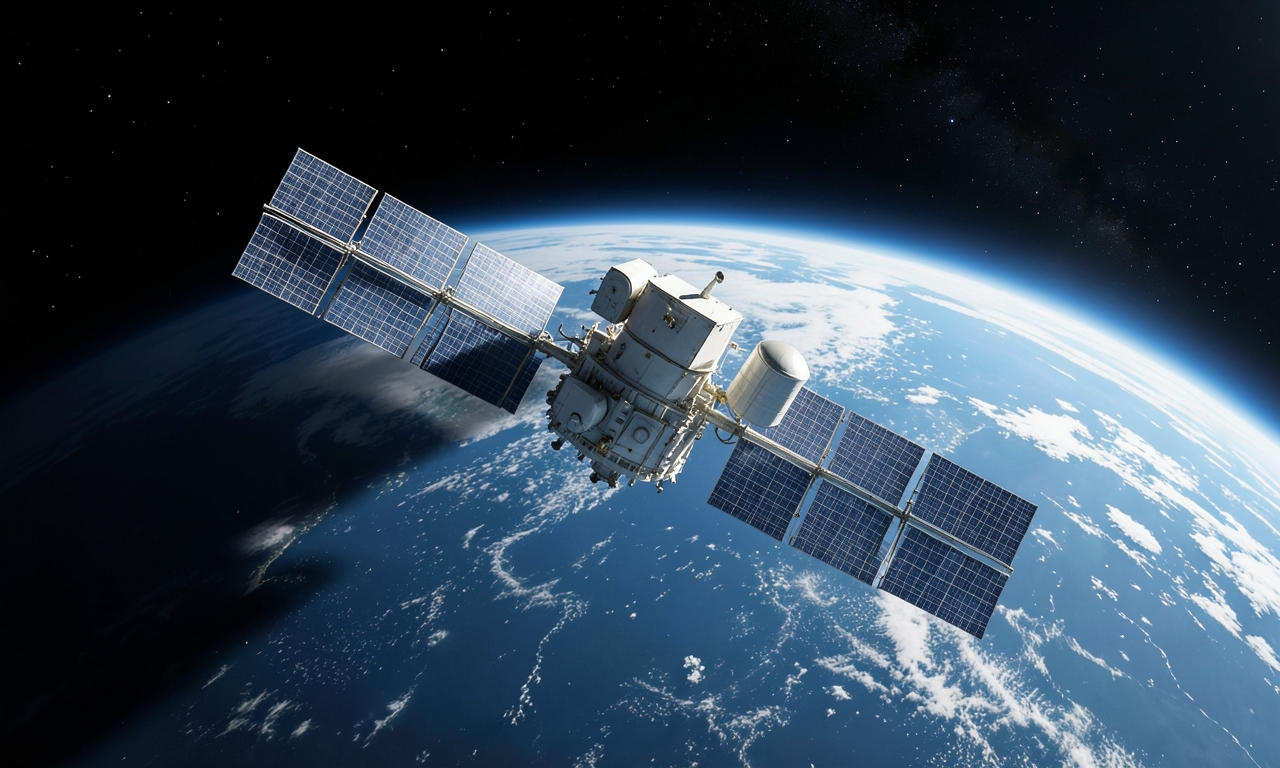
During a test over Europe, Galileo satellites transmitted an encrypted signal for the first time, which receivers in Norway and the Netherlands used to obtain a position fix.
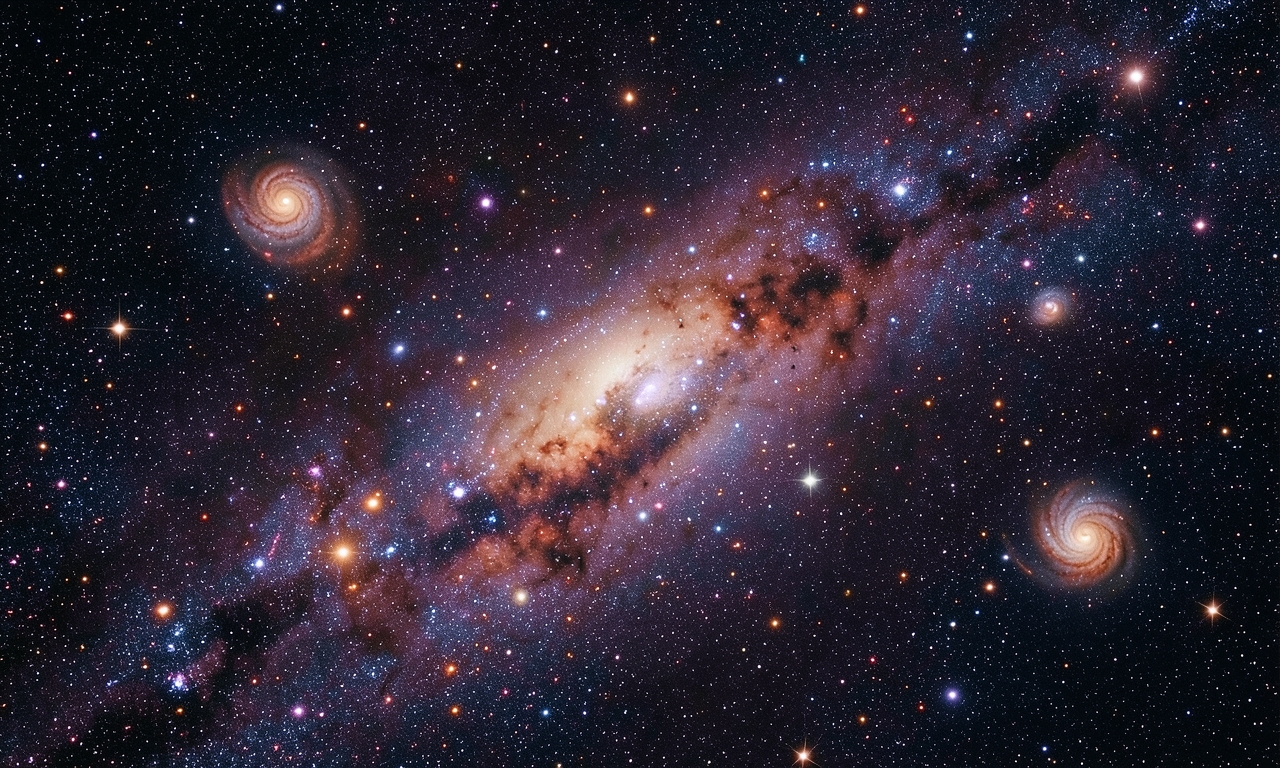
Researchers have verified a planet younger than one million years orbiting the star Elias 2-24 in the Taurus molecular cloud.
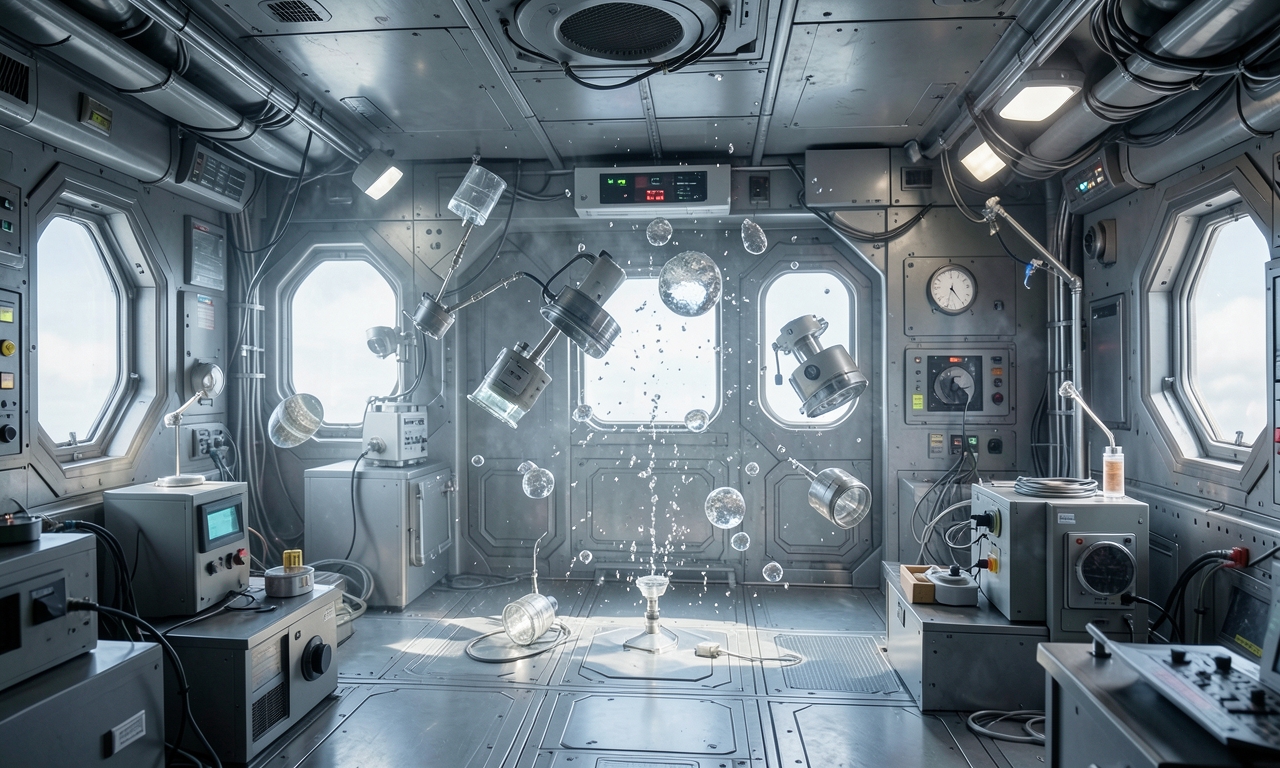
After more than three years of rebuilding, NASA’s Guam Remote Station has been officially returned to service.