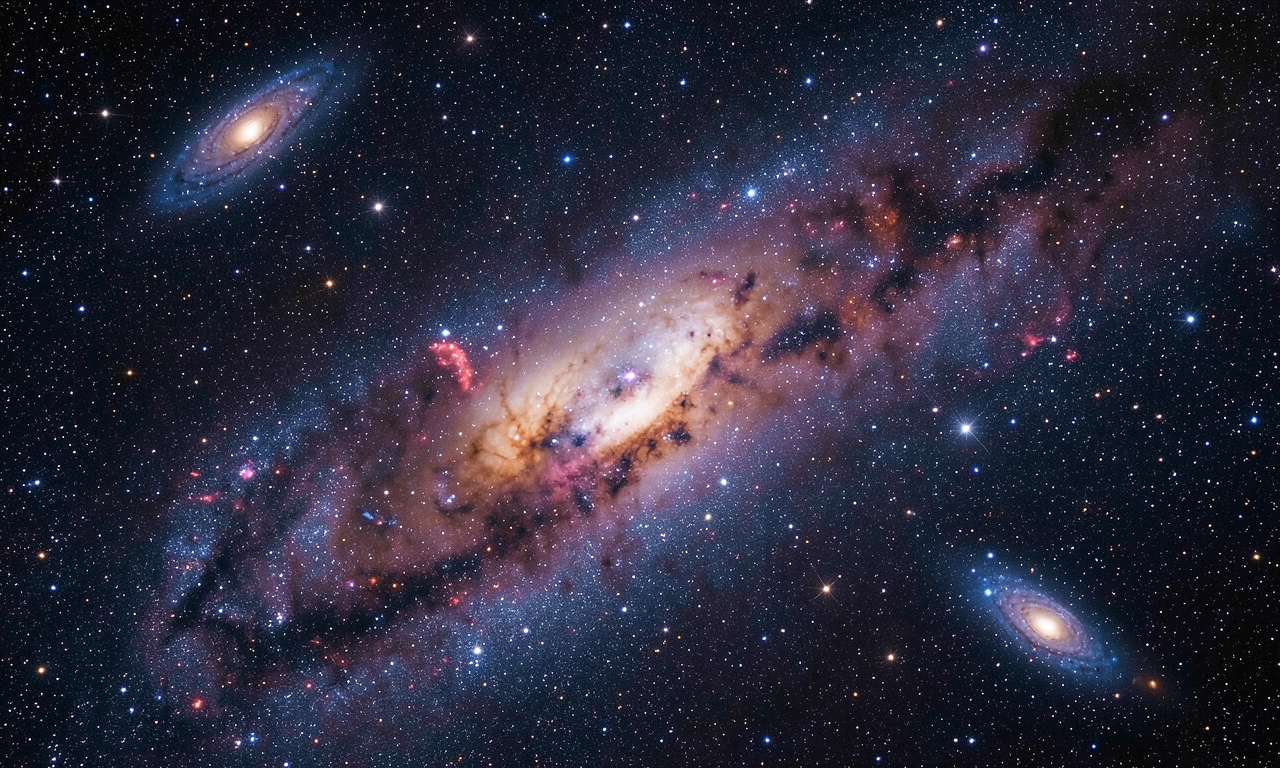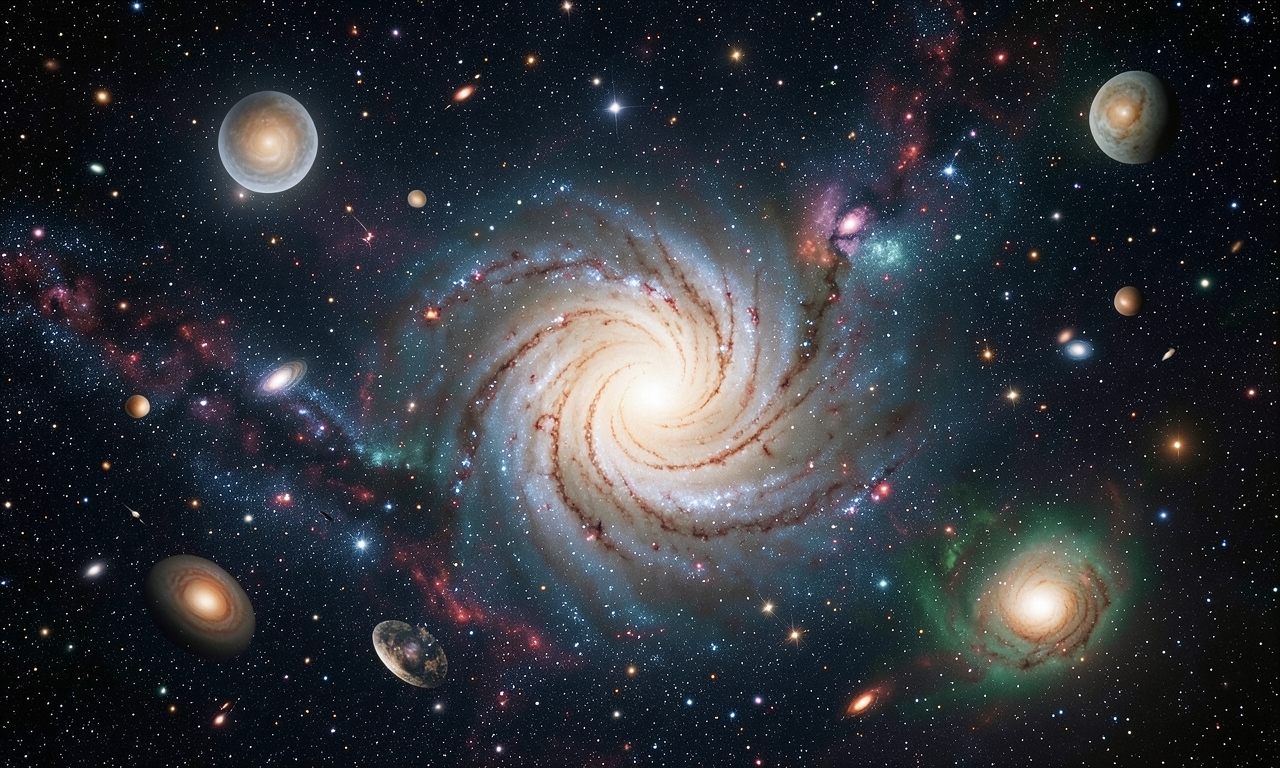
Hubble spots an apparently quiet spiral galaxy with hidden turmoil
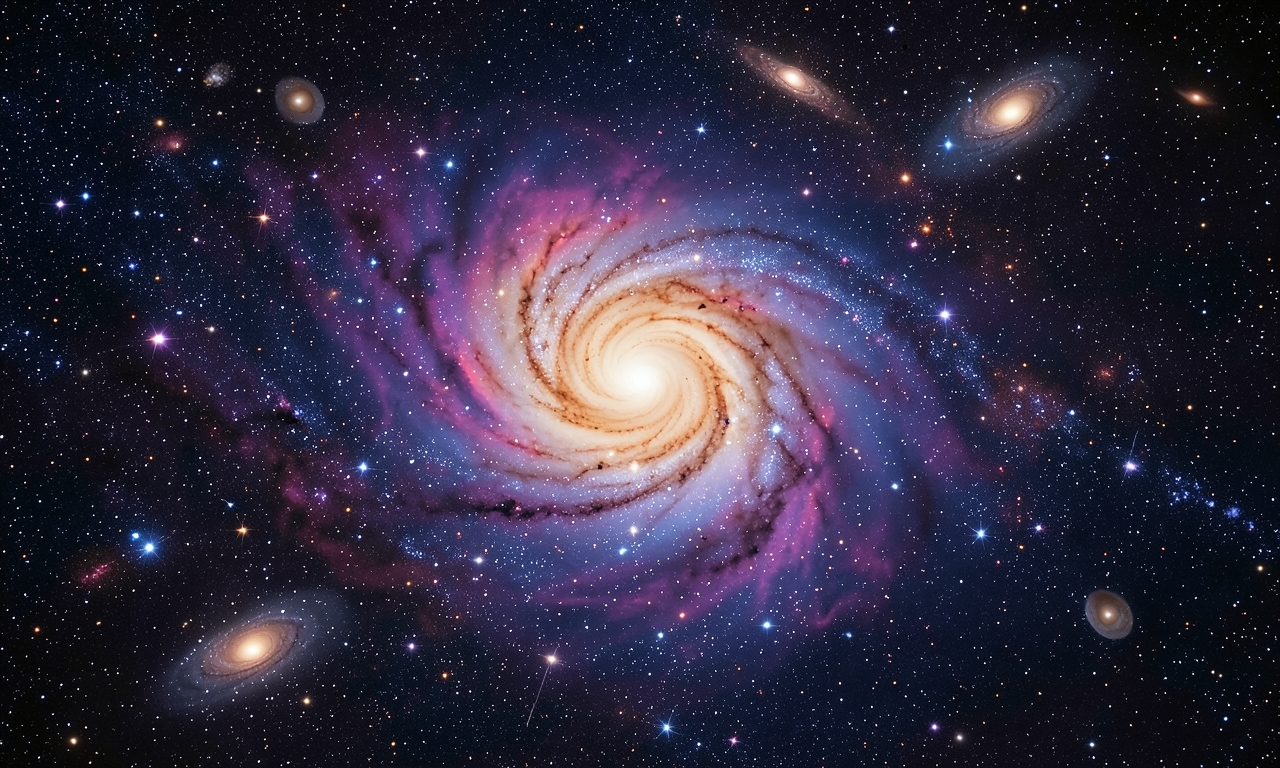
The Hubble Space Telescope has imaged NGC 4698, a spiral galaxy in the Virgo Cluster that looks serene but harbors internal disturbance.
Space, spaceflight & New Space – fresh daily, AI-assisted
Telescopes, exoplanets, black holes and cosmic discoveries.
The Hubble Space Telescope has imaged NGC 4698, a spiral galaxy in the Virgo Cluster that looks serene but harbors internal disturbance.
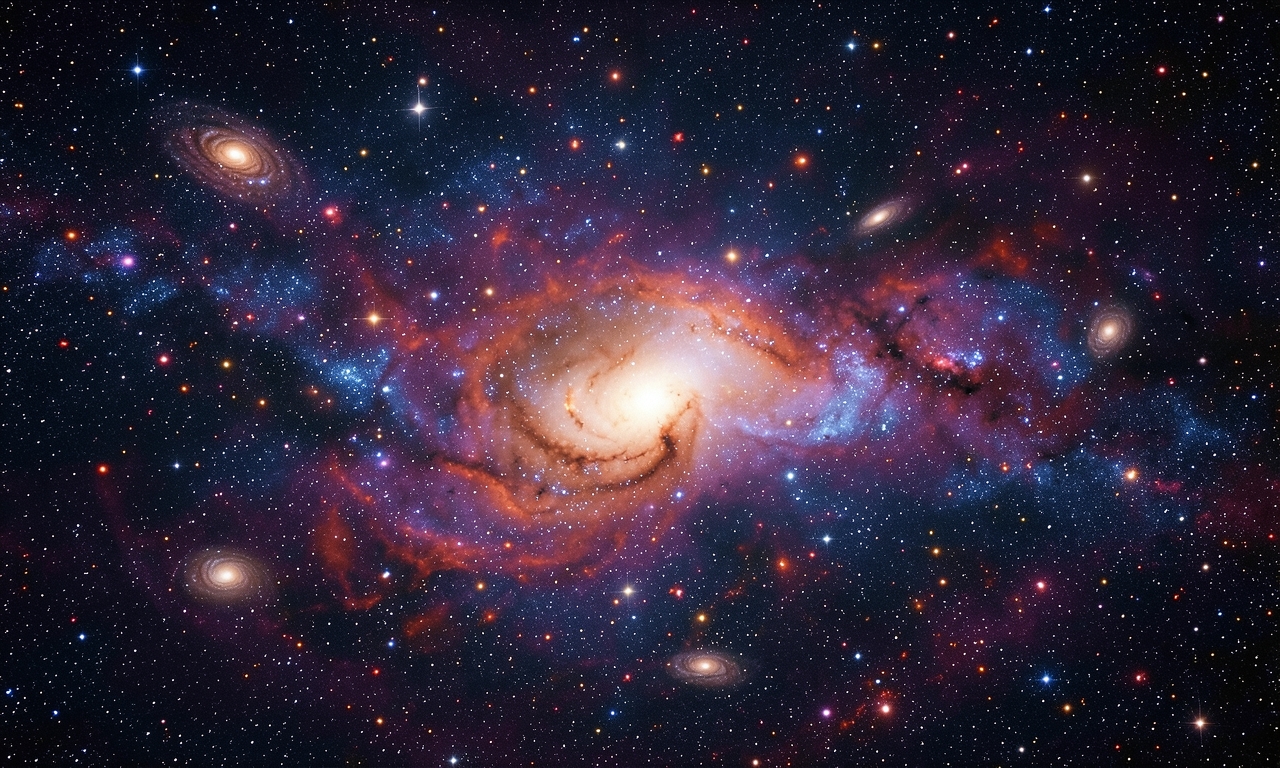
On July 8, 2026, the COSI detector assembly was carefully lifted from a workbench at UC Berkeley.
The Hubble Space Telescope imaged NGC 4698, a spiral galaxy in the Virgo Cluster that looks serene but may harbor chaotic internal motions.
Researchers consider whether the shape of the universe could affect the feasibility of long‑range spaceflight.
Hubble’s view of NGC 4698 reveals a galaxy whose inner region spins perpendicular to its main disk.
A brightening event first seen three decades ago on a faint white dwarf is now explained as a very late thermal pulse, turning the star into a reborn, Wolf‑Rayet‑like object.
From late 2026 into early 2027, a special viewing window opens for the major Jovian moons.
Simulations on the ATERUI III supercomputer suggest that the enigmatic Little Red Dots observed by JWST are rapidly growing black holes in the early universe.
Simulations indicate that overmassive black holes can form easily in the early universe, with spectra matching those of Little Red Dots, which later evolve into bright quasars and supermassive galactic black holes.
Researchers have verified a planet younger than one million years orbiting the star Elias 2-24 in the Taurus molecular cloud.
New research suggests that any ancient moon orbiting Venus would not have survived long.