Astronomy & Universe
Stars Forge Life’s Building Blocks – Researchers Close to Understanding
Researchers have gained new insights into how stars produce heavy elements and disperse them into space.
Space, spaceflight & New Space – fresh daily, AI-assisted
Researchers have gained new insights into how stars produce heavy elements and disperse them into space.
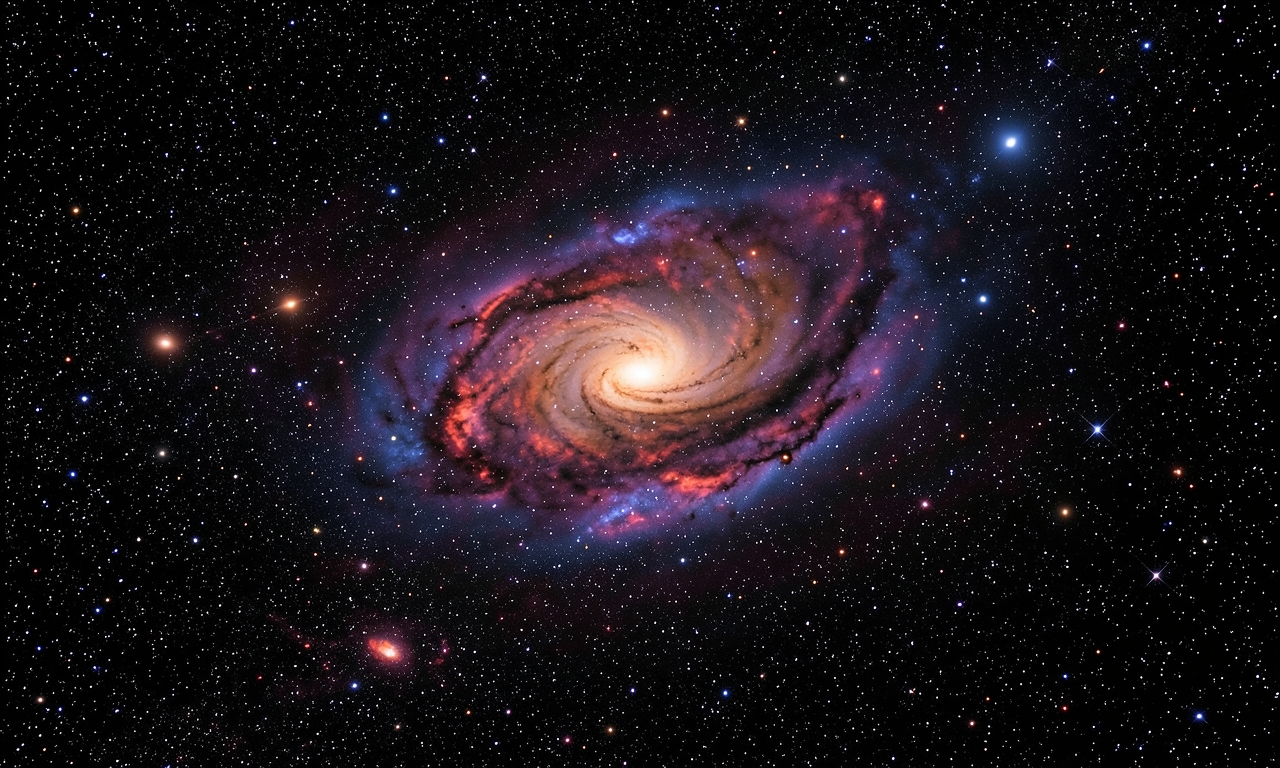
The Hubble Space Telescope has captured a luminous gas structure in the Milky Way’s neighboring galaxy.
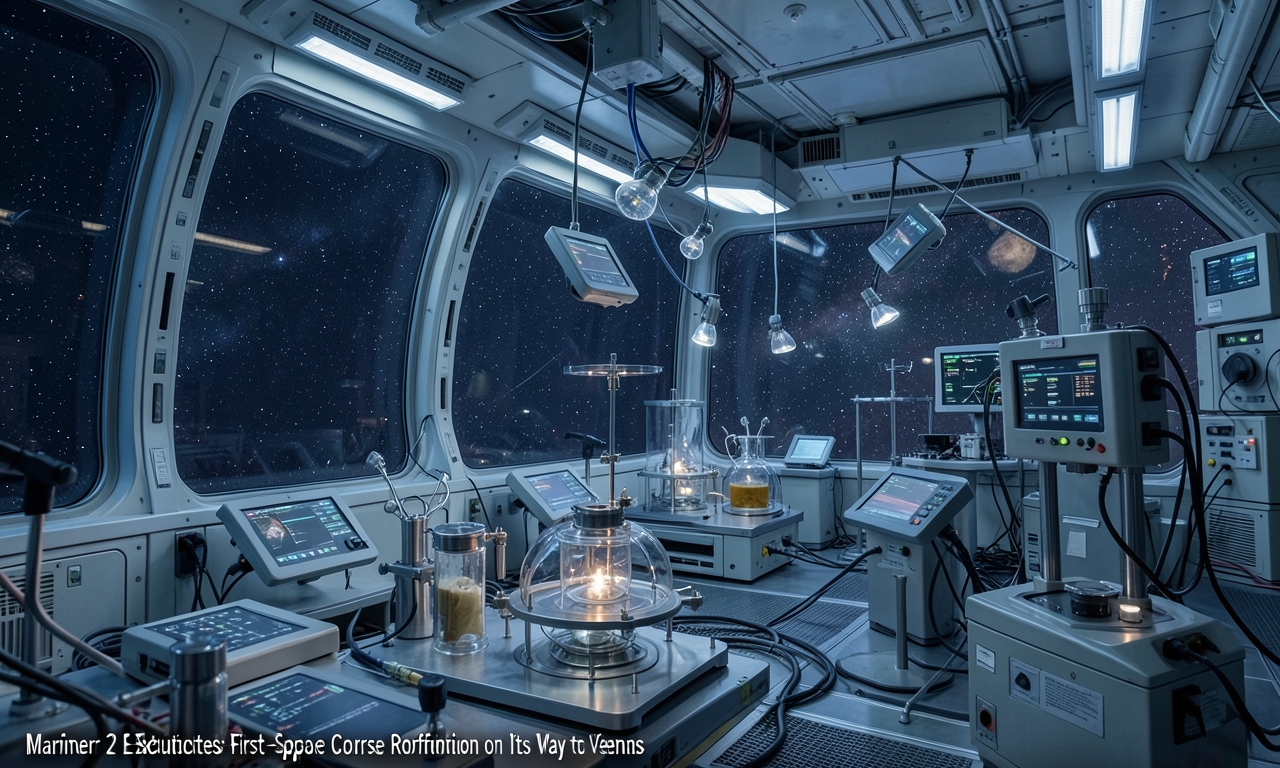
On September 4, 1962, NASA’s Mariner 2 performed the first-ever rocket maneuver in deep space, adjusting its trajectory toward Venus.
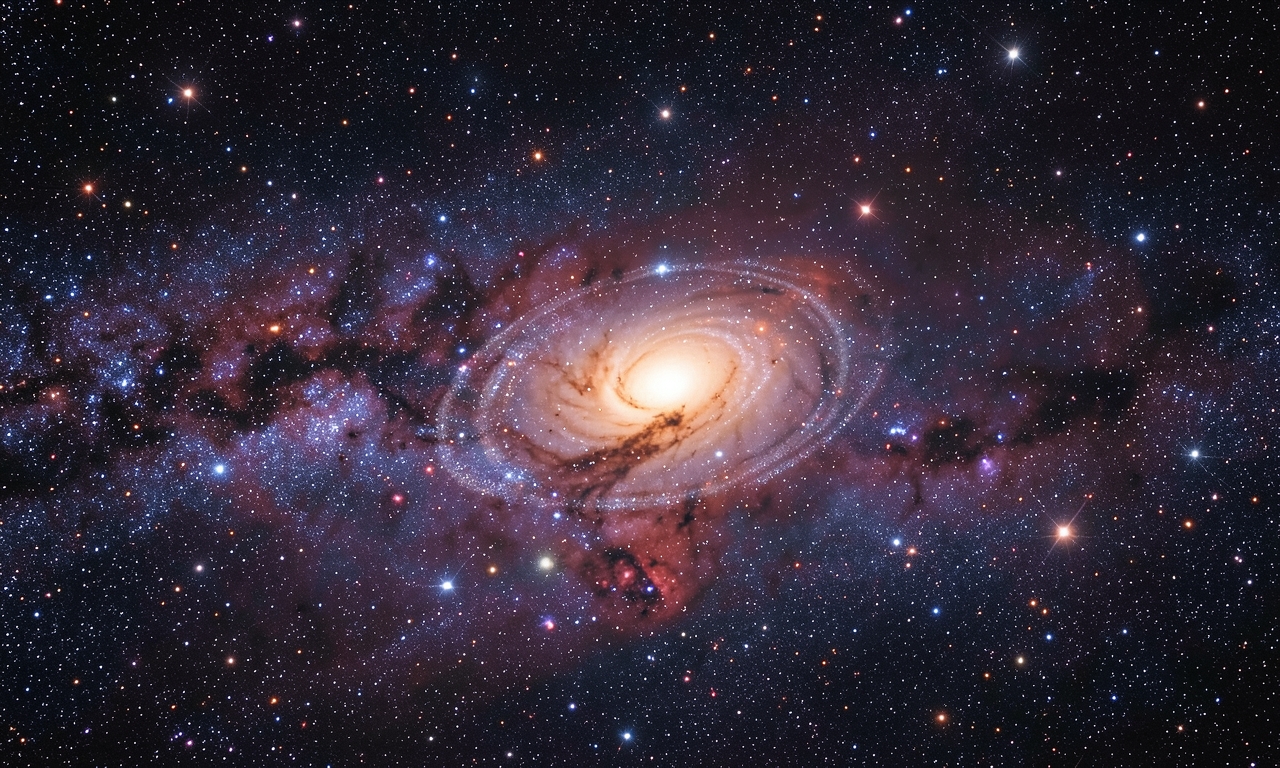
Researchers have discovered a fossil record in meteorite dust that sheds light on the role of magnetism in the early formation of the Sun.
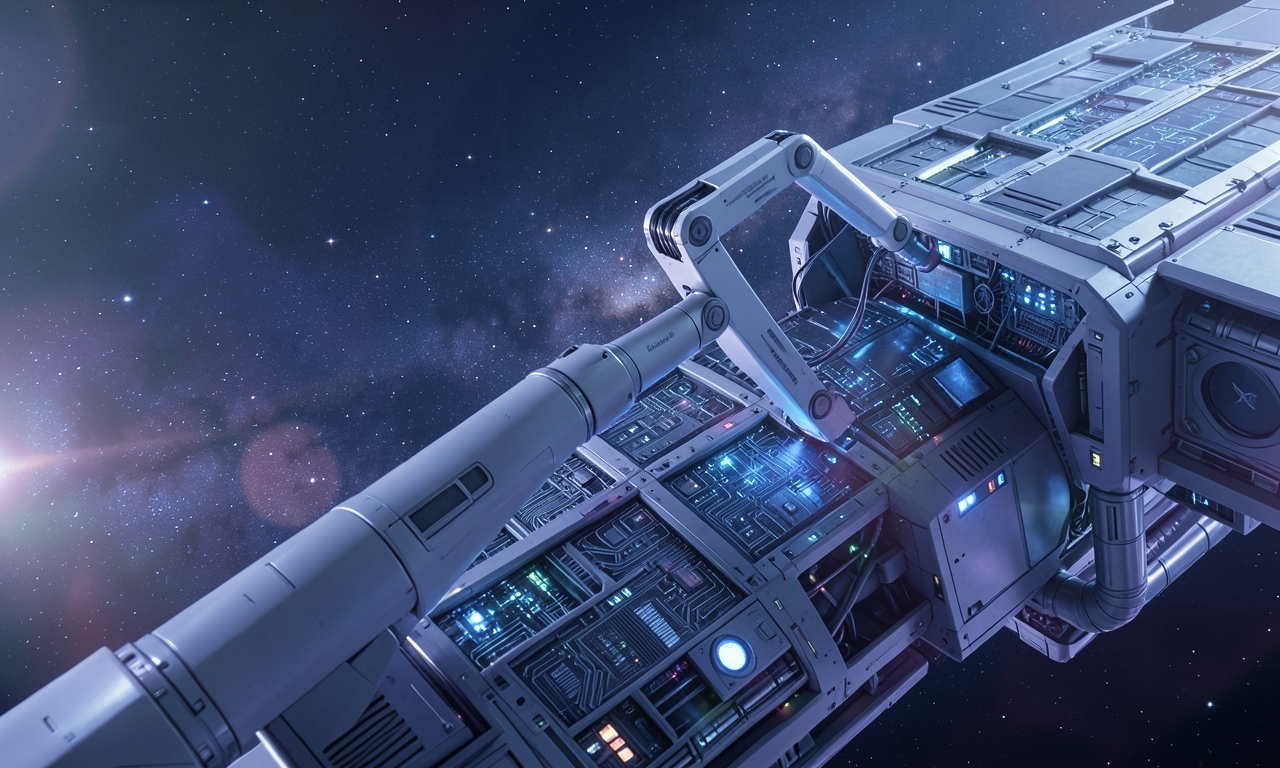
A hands‑on demo of the upcoming action RPG Exodus has heightened anticipation. Developed by BioWare veterans, the game aims to capture the feel of Mass Effect, though it lacks a romance option with a talking octopus.
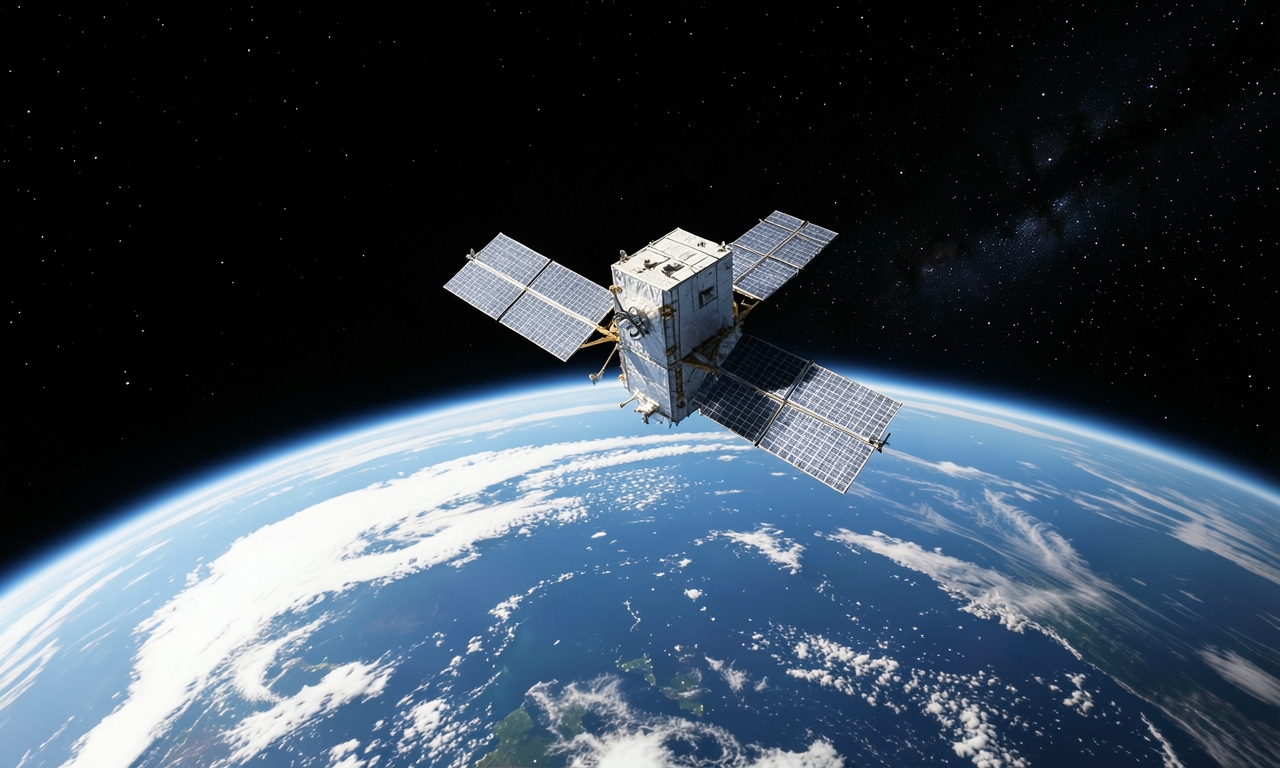
The Copernicus Sentinel-3 satellite provides crucial data for observing climate change, and the launch of its third satellite ensures the continuation of this vital data stream.
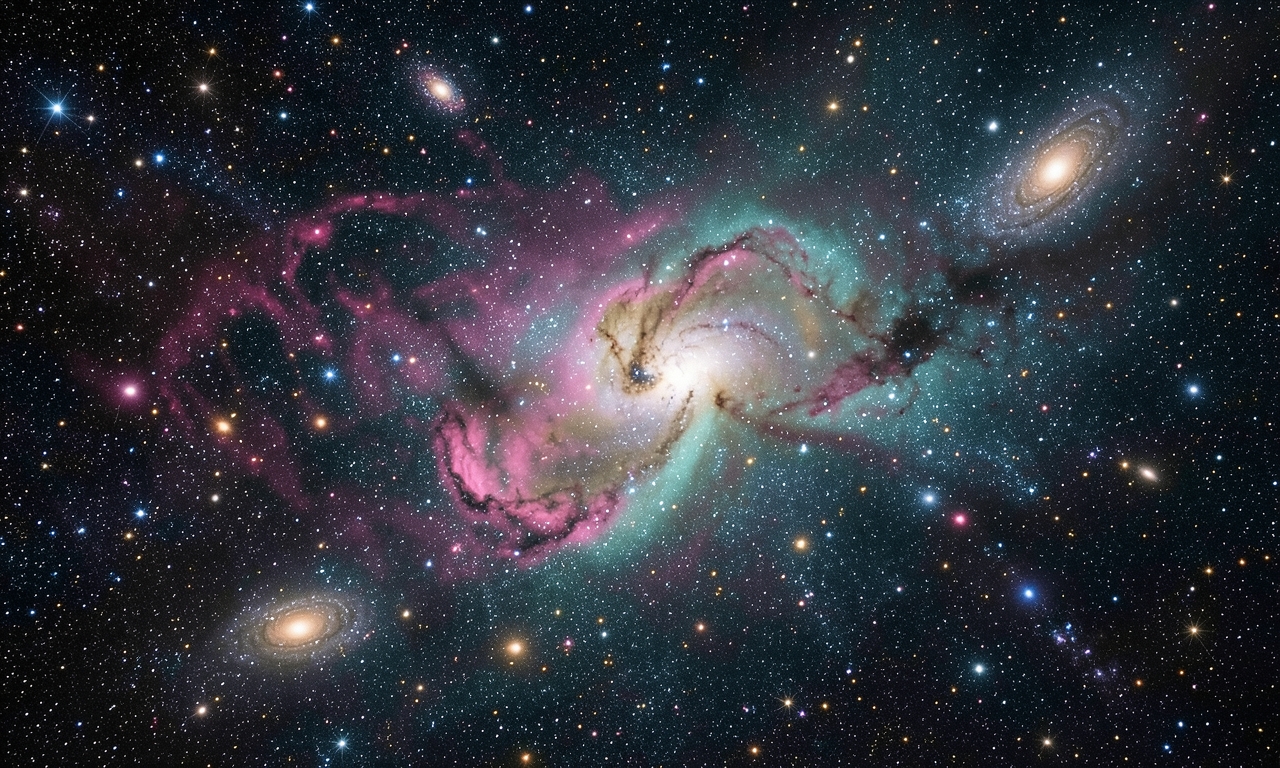
Venus shares Earth’s size and density but stands out with its retrograde rotation, scorching surface temperatures and absence of a moon. Recent research may now explain why it has no natural satellite.
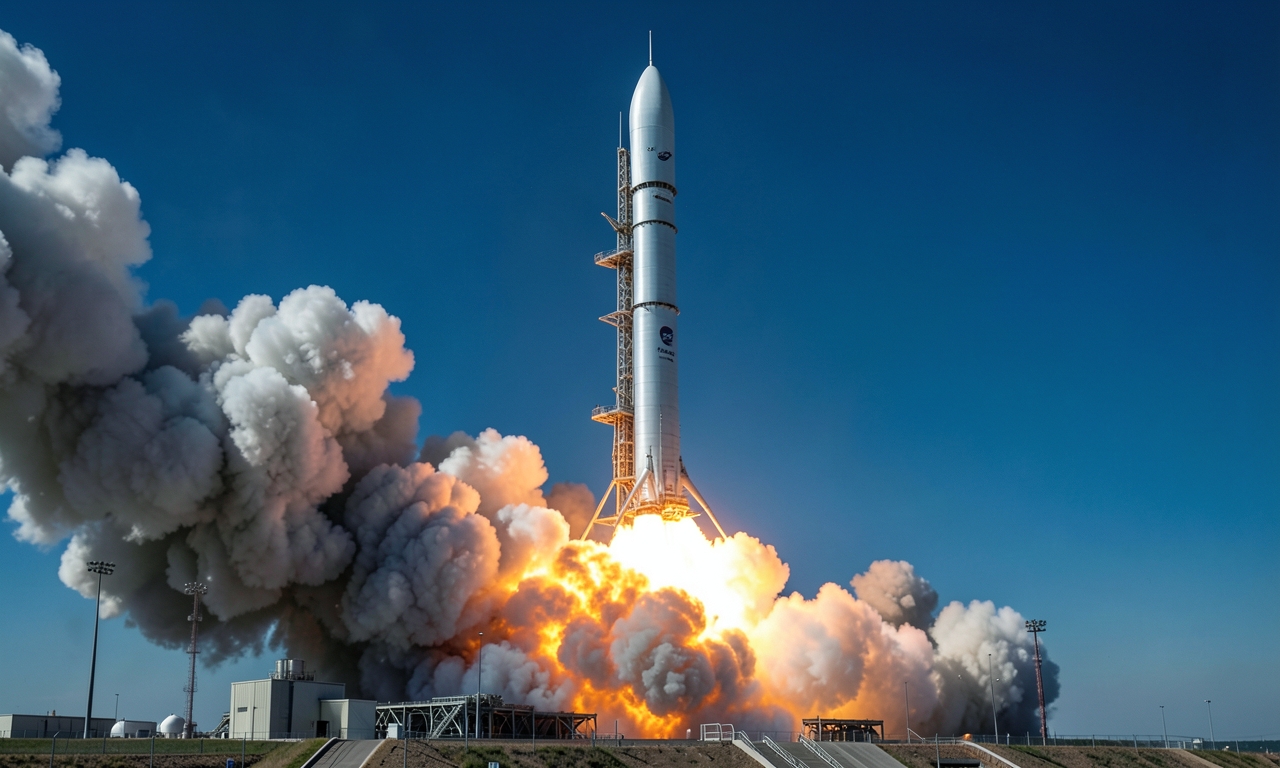
NASA will provide live coverage of the launch and docking of the Roscosmos Progress 96 cargo spacecraft, which carries about three tons of supplies for the ISS crew.
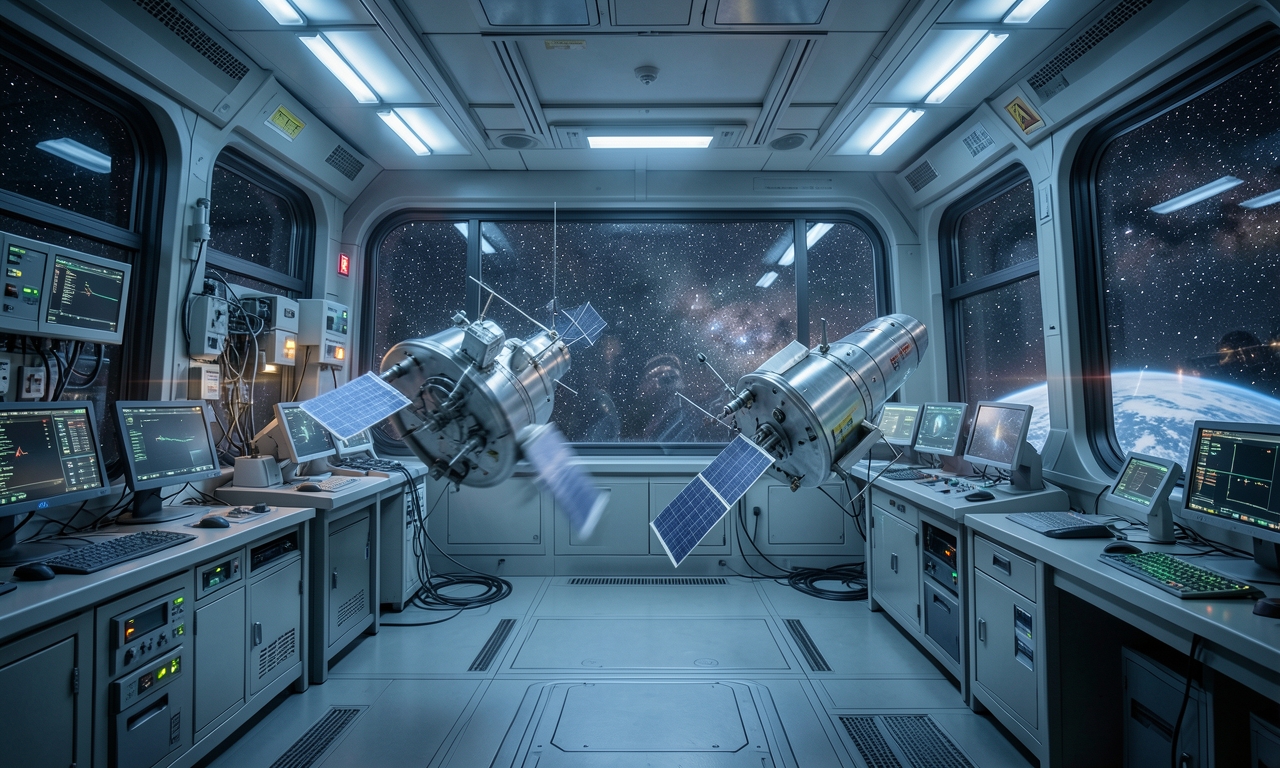
After nearly a decade in space, two probes have detached from their carrier and are now heading toward Mercury.
After almost eight years of travel through the inner solar system, the BepiColombo spacecraft has initiated its approach to Mercury.
Comet McNaught surprised observers this summer with a sudden brightening caused by two outbursts near perihelion.