Chaotic Final Stages of Sun‑like Stars
Conventional theory holds that stars similar to the Sun expand into red giants, shed their outer layers, and settle as quiet white dwarfs. Recent modeling suggests the process may be far from tranquil.
Kicks from Asymmetric Ejections
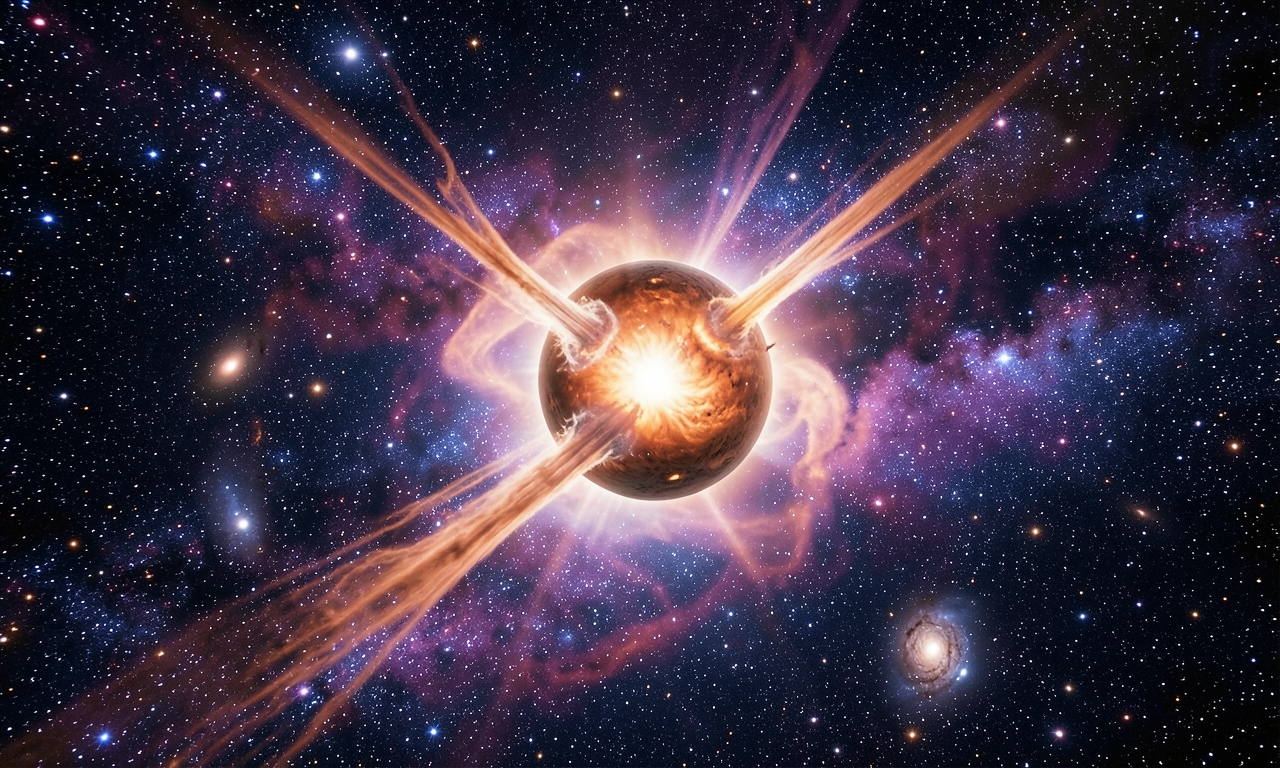
Each uneven mass ejection imparts a minute recoil, akin to a small kick. Accumulated over hundreds of thousands of years, thousands of such events can give the star a noticeable space velocity.
Impact on Wide Binary Systems
The mechanism offers an explanation for the frequent breakup of wide binary pairs when one component becomes a white dwarf. The cumulative thrust can weaken the gravitational bond, causing the stars to drift apart.
Future Verification
While the simulations are internally consistent, direct observational evidence of the predicted velocities remains lacking. Upcoming astrometric surveys of white dwarf motions may validate the model and deepen understanding of stellar death dynamics.