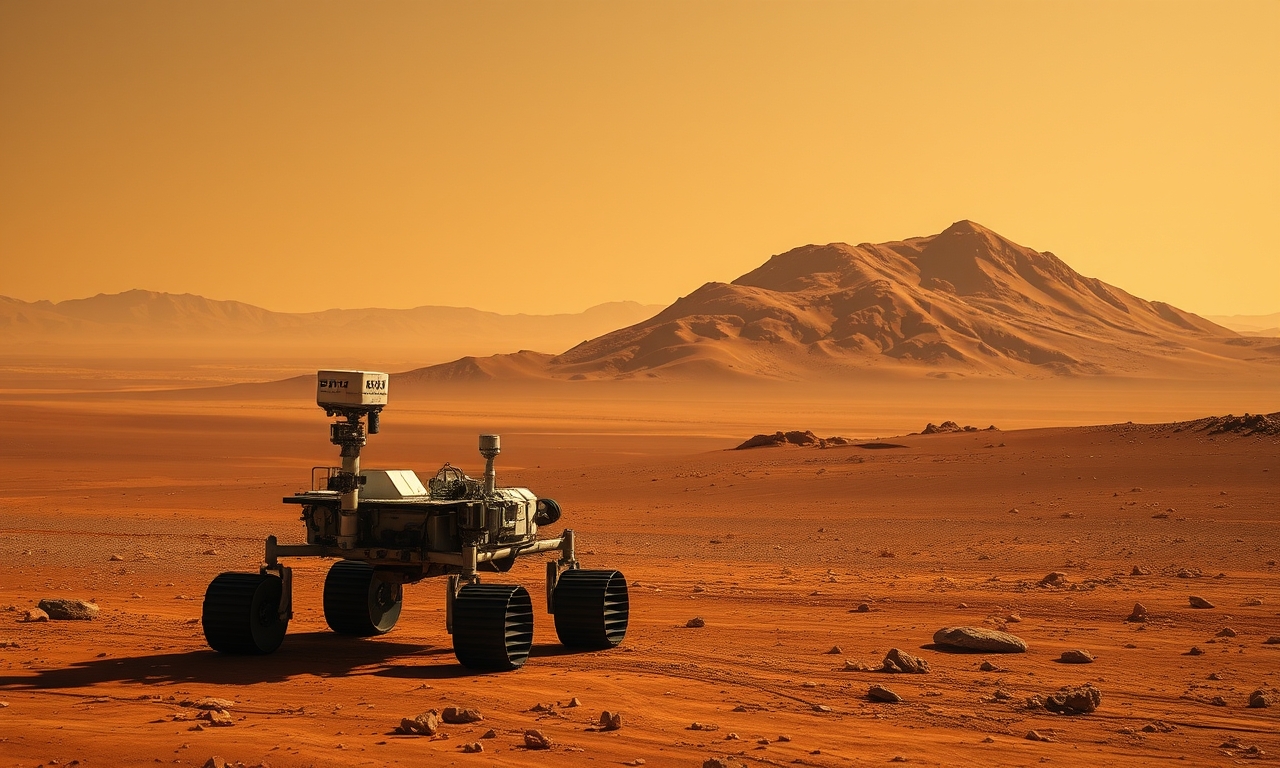
Curiosity Captures Image of Sand‑Capped Butte
On June 11, 2026, during its 4,923rd Martian day (sol), NASA’s Curiosity rover used its Mast Camera (Mastcam) to photograph a distinctive rock formation nicknamed “Miraflores.”
The butte rises approximately 20 feet, or about six meters, above the surrounding terrain and is covered with a layer of loose sand that gives it a smooth, rounded appearance.
According to the rover’s observations, the feature remained after wind‑driven erosion stripped away the softer rock that once surrounded it, leaving the more resistant core exposed.
The Mastcam system provides high‑resolution color imaging, allowing scientists to examine the texture and color variations of both the sand cap and the underlying rock.
Such sand‑capped buttes are typical of the Martian landscape and offer insight into the planet’s erosional and sedimentary processes.
Curiosity continues to explore the region, collecting data that helps researchers understand how Martian valleys evolve over time and how resistant landforms persist after surrounding material is removed.