Extreme conditions beyond the solar system
Analyses of so-called sub-Neptune exoplanets indicate that these bodies may possess gaseous envelopes whose pressure conditions exceed those found on terrestrial planets by a substantial margin. Under such circumstances, solid rock could transition into a gaseous state and accumulate as clouds composed of vaporized material.
Heat retention via mineral clouds
Theoretical descriptions outline an atmosphere that exerts immense weight and simultaneously acts as an insulating barrier. Once rocky components evaporate, they create obscurations in the upper layers that reflect outgoing thermal radiation back toward the ground. This process would amplify the temperature at the planetary surface.
- Sub-Neptunes as a planet class between Earth and Neptune
- Very high atmospheric pressure as a prerequisite
- Evaporating stone forms mineral clouds
- Trapped heat favors molten surfaces
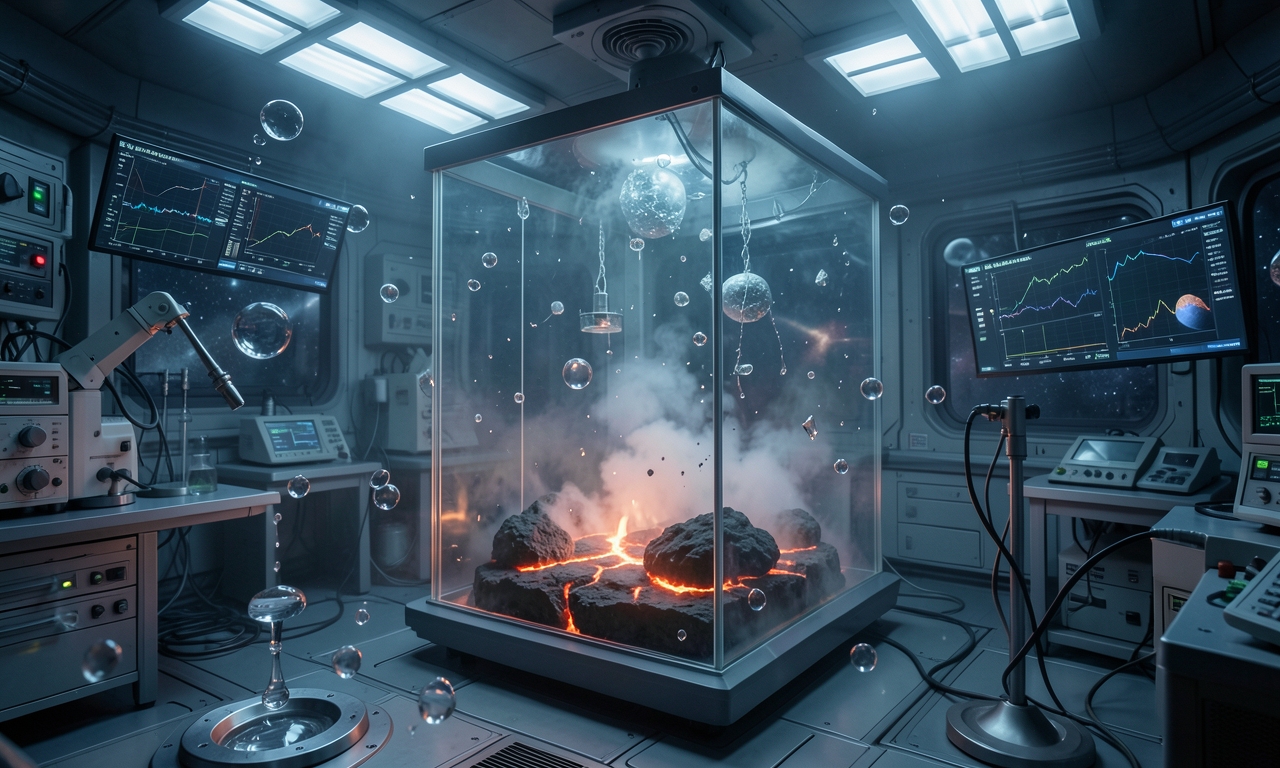
As a result of the interplay between pressure, evaporation, and thermal retention, the affected worlds are discussed as having surfaces consisting of glowing magma oceans. These portrayals currently remain within the scope of modeling, since direct observation of surface states is not yet feasible.
The findings help classify the diversity of planetary evolution outside the local cosmic neighborhood. Additional studies using dedicated instruments are expected to determine how frequently the described scenarios actually occur.