A New Target for Astrobiology
Saturn’s moon Enceladus has emerged as a top candidate in the search for extraterrestrial life. Although it is only about ten percent the diameter of Earth’s Moon, it hosts a vast ocean beneath its icy shell.
Geological Activity as a Sampling Opportunity
At the south pole, geysers eject water vapor and ice particles into space, directly transporting material from the interior. This natural plume provides a unique chance to sample the ocean without drilling through the ice.
ESA’s 2050 Lander Concept
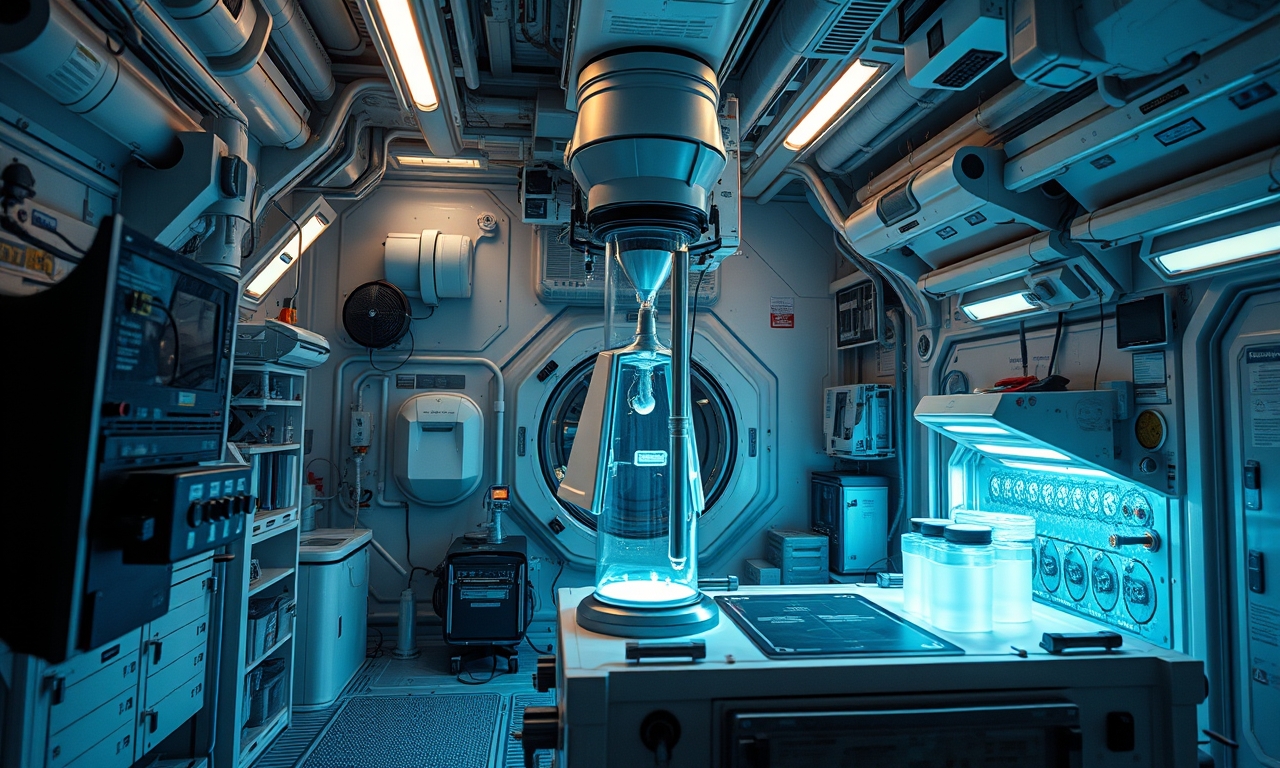
The European Space Agency has outlined a lander concept featuring a suite of cutting‑edge instruments. The payload is designed to characterize the chemical makeup, physical properties, and potential biosignatures of the hidden sea.
- Mass spectrometer for organic molecule detection
- Laser Raman spectrometer for mineral identification
- Microfluidic lab‑on‑a‑chip for microbial analysis
- Seismometer to monitor ice and ocean dynamics
Scientific Objectives
The mission aims to determine whether Enceladus’ subsurface environment could support life and to search for direct evidence of any existing organisms. By integrating geology, chemistry and biology, ESA seeks a comprehensive understanding of this potentially habitable world.