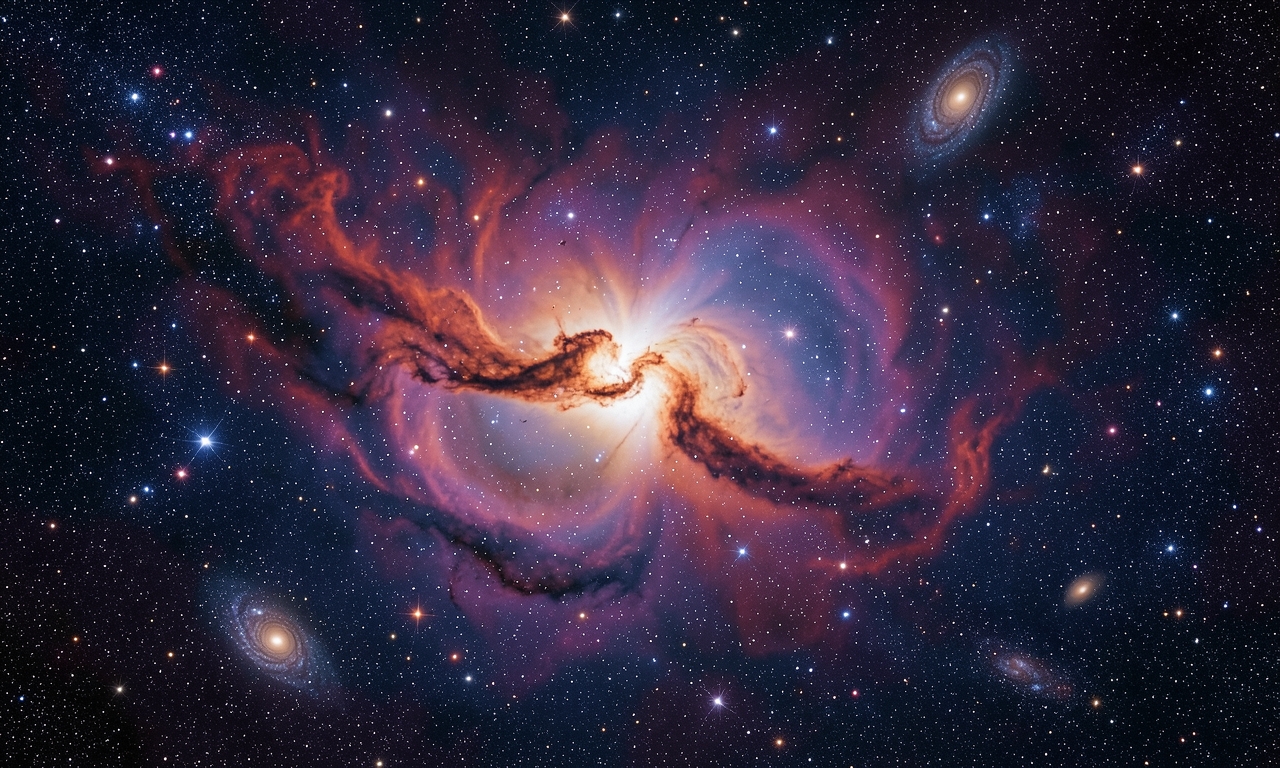
First look at the Galactic centre
The European Space Agency, together with NASA contributions, has employed the Euclid observatory to study the central region of the Milky Way. On 24 June 2026 a new image was released, revealing the heart of our galaxy with unprecedented clarity.
Synergy with the Roman Telescope
The area captured by Euclid overlaps the field that NASA’s Nancy Grace Roman Space Telescope will observe after its launch later this summer. Combining the two datasets will allow astronomers to refine models of the bulge’s structure and dynamics.
Instrument overview
Euclid carries a 1.2‑metre primary mirror and is equipped with both a high‑resolution imager and a spectrograph operating in the near‑infrared and visible bands. While its primary science goal is to probe dark energy, the wide‑field observations also provide valuable information on stellar populations in the Galactic centre.
Future prospects
Detailed analysis of the Euclid image will be published in the coming months. At the same time, the Roman Telescope, featuring a larger field of view, will obtain deeper spectroscopic data of the same region. Together, the observations are expected to shed light on the distribution of stars, gas and dark matter in the Milky Way’s core.