Enhanced Connectivity for Galileo’s Second Generation
The European satellite navigation system Galileo is currently entering its second generation. These new satellites will feature reconfigurable payloads that improve robustness and reliability for positioning, navigation and timing services, while also supporting additional applications.
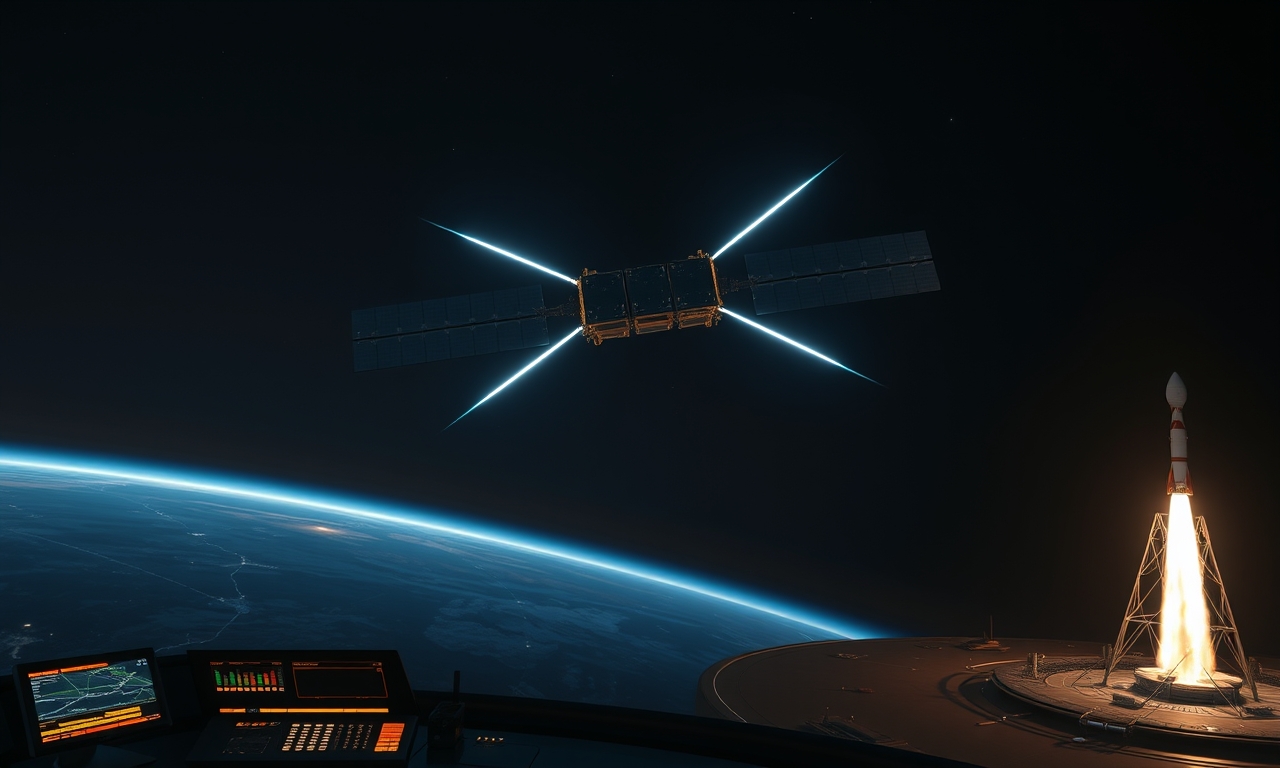
A key innovation in this upgrade is the implementation of inter‑satellite links (ISL). By enabling direct communication between satellites in orbit, the network can exchange data more rapidly and increase overall performance.
The antennas designed for ISL have recently undergone comprehensive testing, including radiation exposure, thermal cycling, vibration, shock and functional laboratory verification. All results demonstrated compliance with the stringent requirements for space operation.
Following the successful test campaign, the antennas are now slated for integration during satellite assembly. Once launched, the satellites will be able to share real‑time information via the new links, further enhancing the accuracy and availability of Galileo signals.
This capability marks a significant step toward European autonomy in satellite navigation and paves the way for future services in sectors such as transport, science and critical infrastructure.