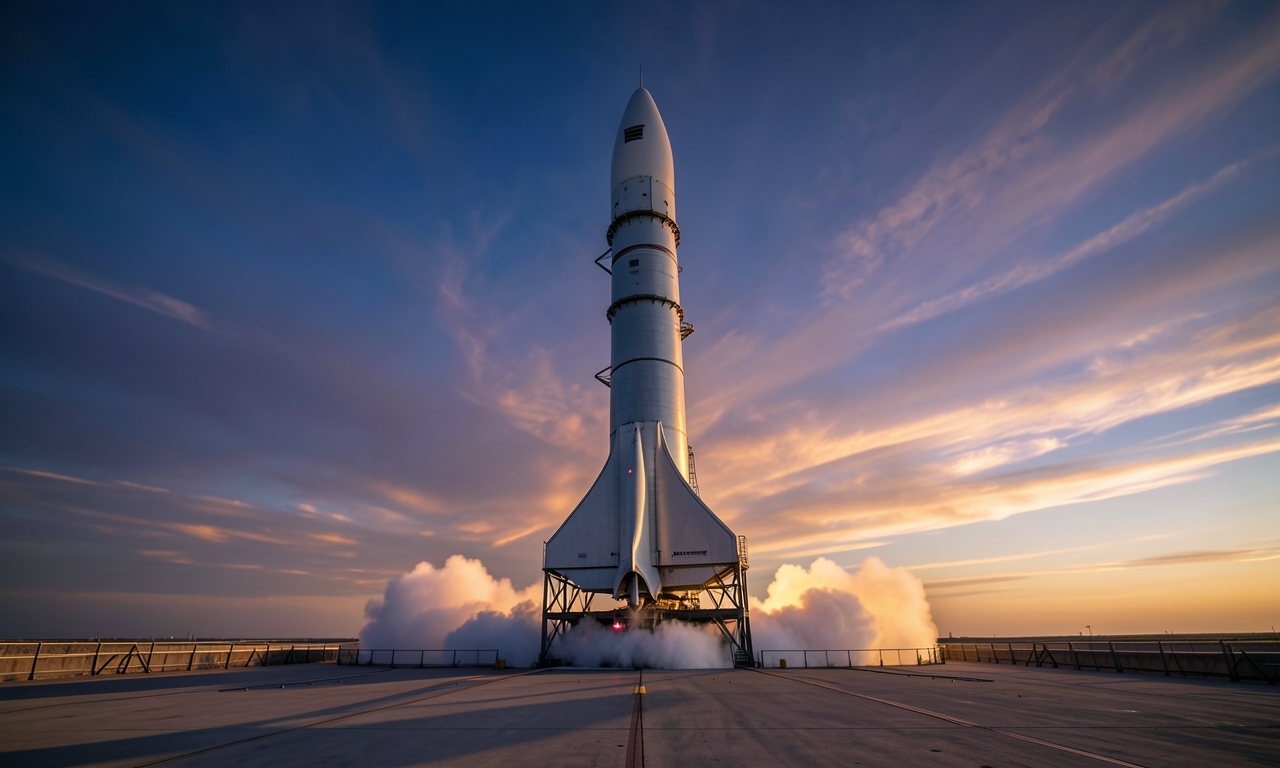
ispace books capacity on SpaceX Starship
Japanese space company ispace has signed an agreement to place payloads on an upcoming lunar landing mission using SpaceX’s Starship launch system. By securing cargo space on the fully reusable vehicle, the firm aims to increase the mass of scientific and technology experiments it can deliver to the lunar surface.
Enabling heavier lunar payloads
To date, ispace’s missions have primarily carried small instruments as part of its HAKUTO‑R series. Access to Starship’s larger cargo volume will allow the company to transport heavier sensors, resource‑utilisation prototypes, and more extensive experiment packages. This capability opens new avenues for regolith analysis, in‑situ resource extraction studies, and surface technology demonstrations.
Collaboration with SpaceX
SpaceX is developing Starship as a fully reusable system intended for Earth orbit and deep‑space destinations. The planned lunar landing flight, expected in the next few years, will carry multiple payloads from various customers. ispace will be among the first international partners to leverage the vehicle’s capacity for scientific purposes.
Implications for future missions
Securing a Starship slot represents a significant milestone for ispace, which envisions a sustained lunar presence. The ability to test larger, more complex systems could accelerate its roadmap for lunar bases, resource extraction, and commercial activities. Partnering with SpaceX also strengthens the integration of Japanese space technology into broader international missions.