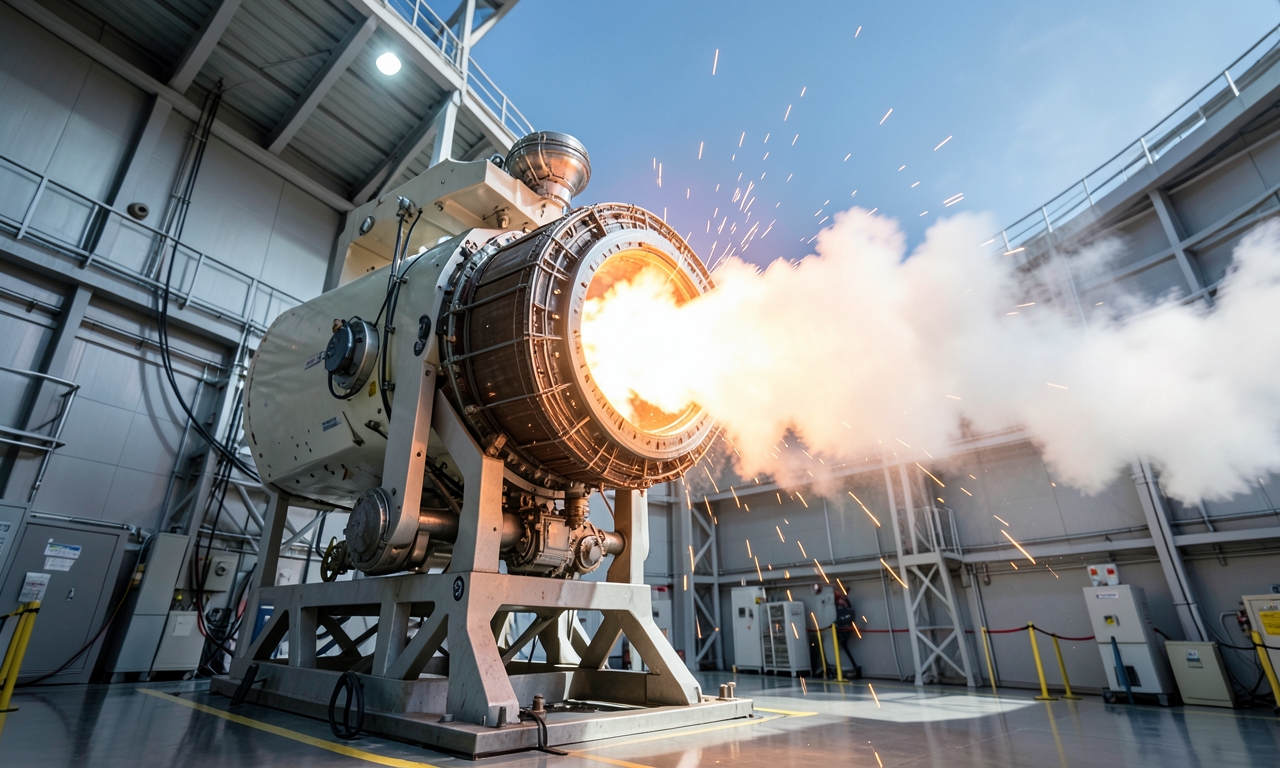
First flight of a reusable launch system
Japan's aerospace agency JAXA carried out a maiden flight of an experimental reusable launch vehicle on Saturday, successfully returning it to a designated landing zone on the mainland after a brief ascent.
The test validated core capabilities such as lift‑off, engine shutdown, and vertical touchdown – technologies that have been refined primarily by private firms like SpaceX. Reducing launch costs through component reuse is the primary objective of the program.
JAXA intends to iterate on the design over the next months, conducting multiple repeat flights to gather data on re‑entry stresses, guidance software performance, and propellant efficiency.
Strategic implications for Japan
The initiative aims to bolster Japan's standing in a global launch market currently dominated by a handful of providers. An indigenous reusable system could make Japanese satellite launches more competitive and open new opportunities for small‑to‑medium payload services.
Government backing includes additional funding, reflecting a broader strategy to modernise the national high‑tech industry and create skilled jobs.