A New Milestone in Aeronautics Research
After more than a century during which the wind tunnels at NASA's Langley Research Center in Hampton, Virginia, have been pivotal to aircraft and spacecraft development, a new era begins. The Flight Dynamics Research Facility (FDRF) is set to take over the roles of the two longest‑operating test rigs – the 12‑Foot Low‑Speed Tunnel and the 20‑Foot Vertical Spin Tunnel.
Historical Role of the Legacy Tunnels
The 12‑Foot Low‑Speed Tunnel, operational since the 1930s, was used to study lift and drag at low velocities. The 20‑Foot Vertical Spin Tunnel, introduced in the 1940s, enabled analysis of vortex flows and spin dynamics critical for vehicle stability. Both have supplied data for commercial airliners, military jets and space vehicles for decades.
The Flight Dynamics Research Facility
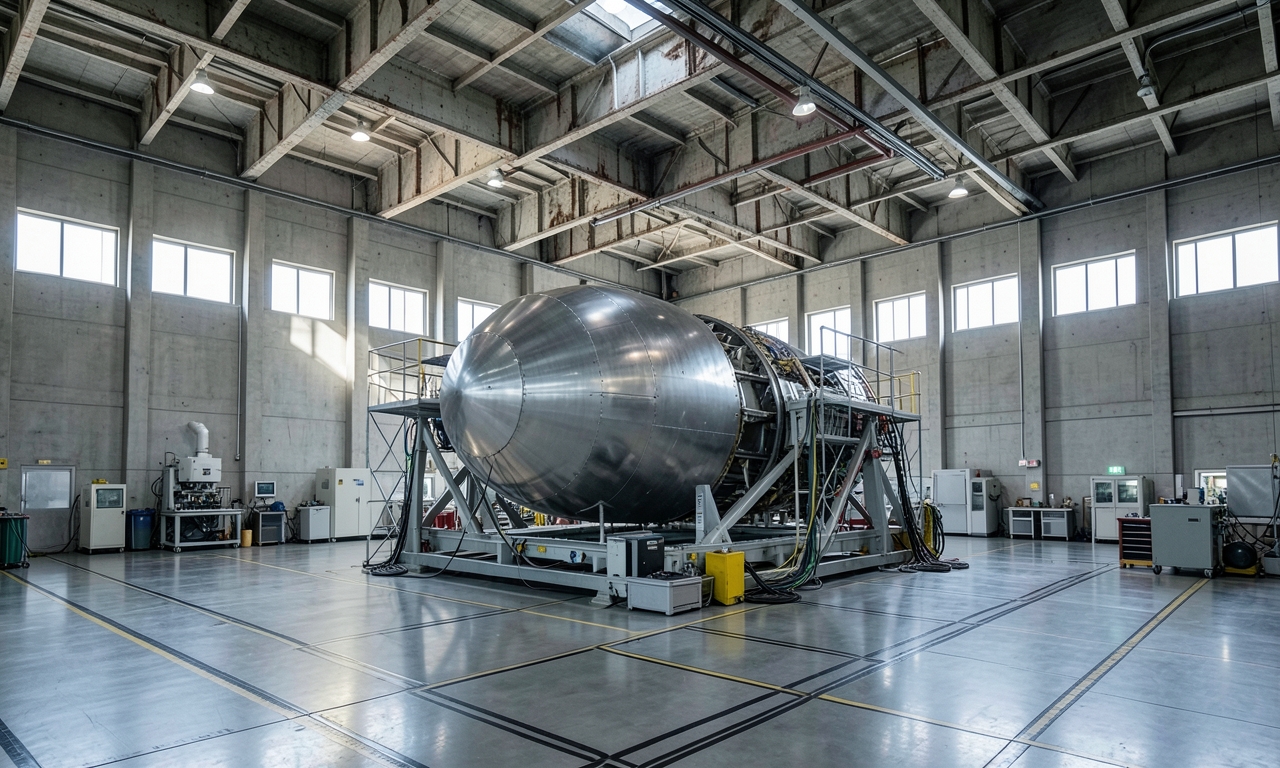
The FDRF is the first large‑scale wind tunnel NASA has constructed in more than forty years. It features state‑of‑the‑art instrumentation, including high‑resolution pressure sensors, laser Doppler anemometers and digital imaging systems. The facility will support conventional aerodynamic testing as well as investigations of unconventional concepts such as electric propulsion aircraft and urban air mobility platforms.
Future Outlook and Significance
With commissioning planned for next year, the FDRF will substantially expand Langley's research capabilities. The new environment will accelerate the evolution of established aircraft designs and enable testing of concepts for crewed spaceflight and the return of payloads from orbit.
Additional Details
- Initial test campaigns are scheduled for spring 2025.
- The facility will be operated by an interdisciplinary team of aerodynamicists, materials scientists and software engineers.
- Partnerships with universities and industry are planned to foster innovative technologies.