Developing an In‑Space Refuel System
NASA is advancing a technology that would allow spacecraft to receive propellant while in low Earth orbit. The approach envisions that future missions, such as lunar or Martian expeditions, first dock at an orbital station to replenish fuel before proceeding to deeper space.
How the New Device Works
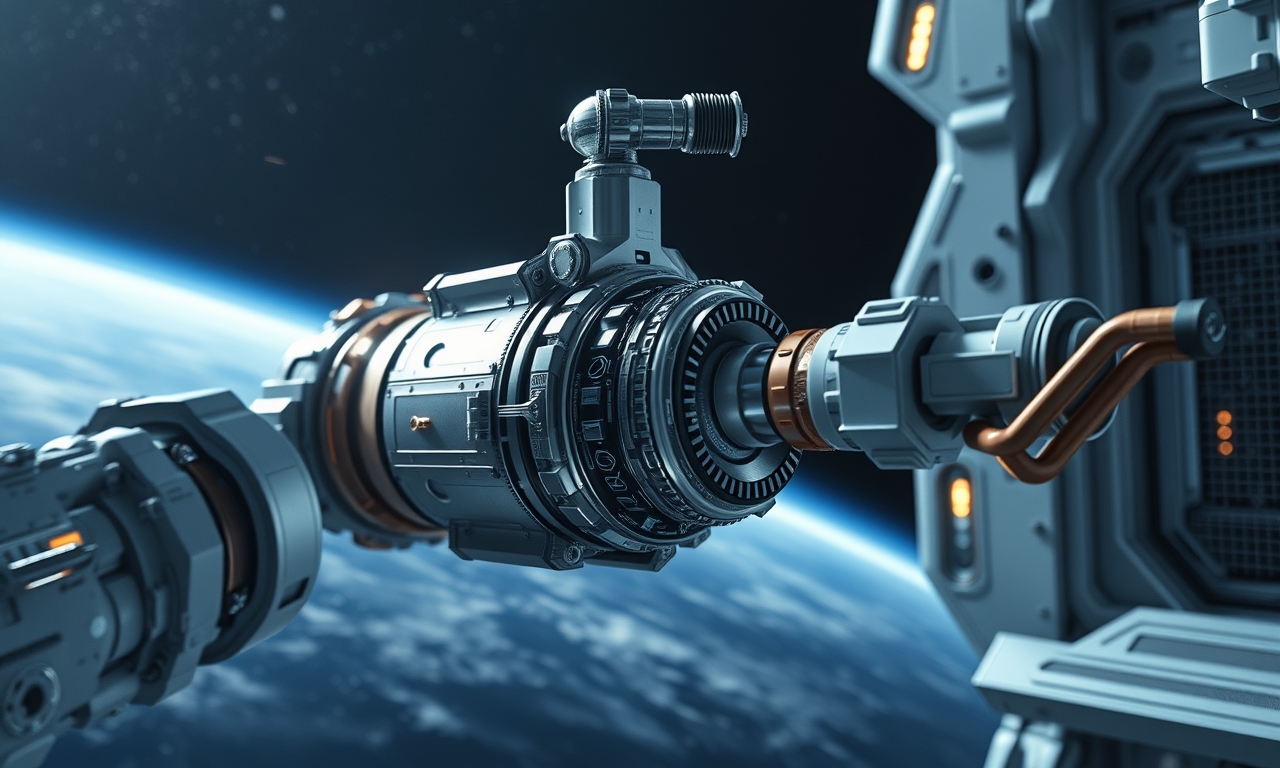
The device under test features a specialized coupling mechanism comparable to a fuel nozzle, designed to attach securely to a spacecraft’s tank. Precise mechanical and electrical interfaces ensure safe transfer of propellant, minimizing risks of leaks or contamination.
Testing Phase and Involved Facilities
Initial trials are being conducted at the Jet Propulsion Laboratory’s (JPL) test facility, where the system is evaluated under simulated micro‑gravity conditions. These tests assess the reliability of the connection and the efficiency of fuel flow.
Implications for Upcoming Missions
A proven in‑orbit refueling capability would markedly increase spacecraft range and provide greater flexibility for programs such as Artemis and other deep‑space exploration initiatives. It could also enable multiple launches to assemble larger payloads without exceeding the launch mass limits of individual rockets.