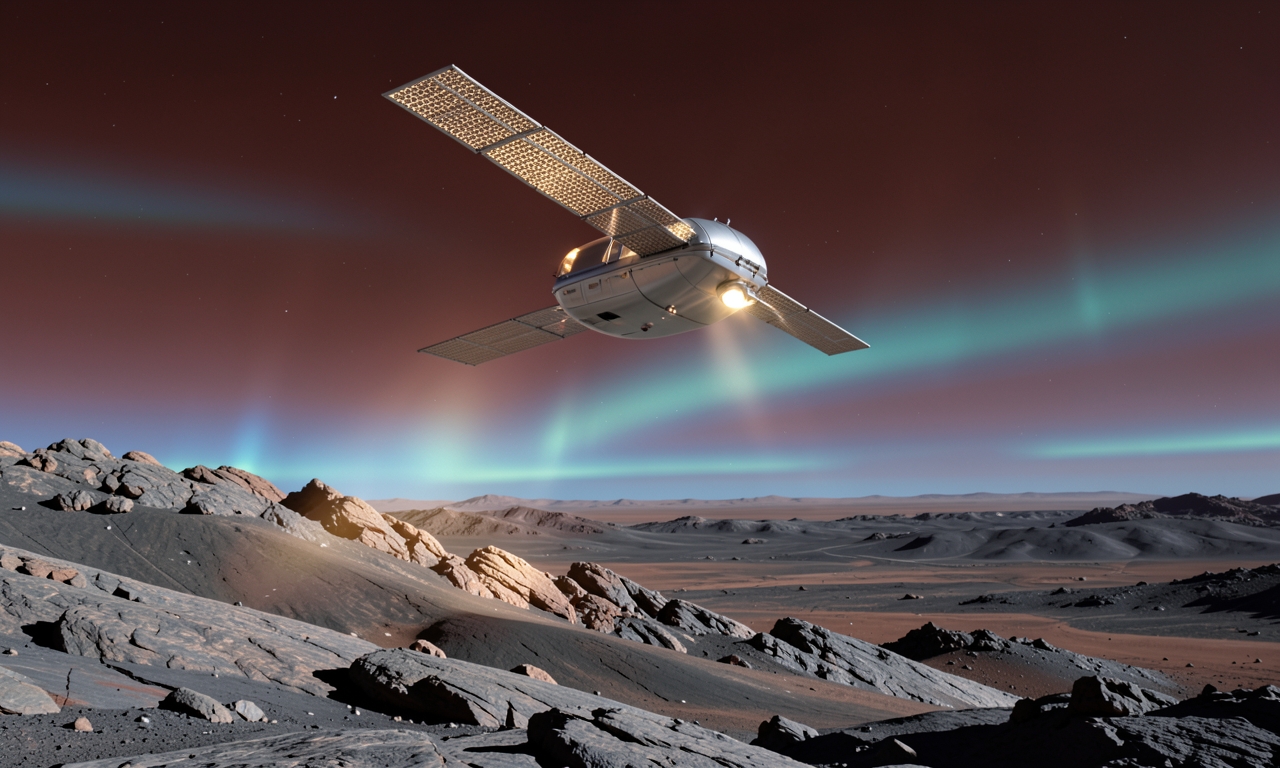
MAVEN Mission Success
After a six‑month period of reestablishing communication with the Mars Atmosphere and Volatile Evolution (MAVEN) orbiter, NASA officially ended the mission. Launched in 2014, MAVEN has now supplied a wealth of data for scientists worldwide.
Discovery of a New Phenomenon
Analysis of the collected measurements revealed an unprecedented atmospheric phenomenon. Scientists suggest it is a transient layer of ionized gas that appears during specific solar activity periods, offering clues about Mars‑Sun interactions.
Implications for Future Missions
The findings are vital for upcoming Mars endeavors. A deeper grasp of the atmosphere aids landing site selection and radiation shielding design, and NASA plans to integrate MAVEN data into future crewed missions to enhance astronaut safety.
Ongoing Research
Researchers are already working to decode the mechanisms behind the new phenomenon. International teams from Europe and Asia are collaborating with NASA, aiming to advance global Mars science and shed light on the planet’s evolution.
Team Appreciation
NASA thanks the entire team—from engineers and scientists to ground support—for their dedication, which made the MAVEN mission’s successful conclusion possible.