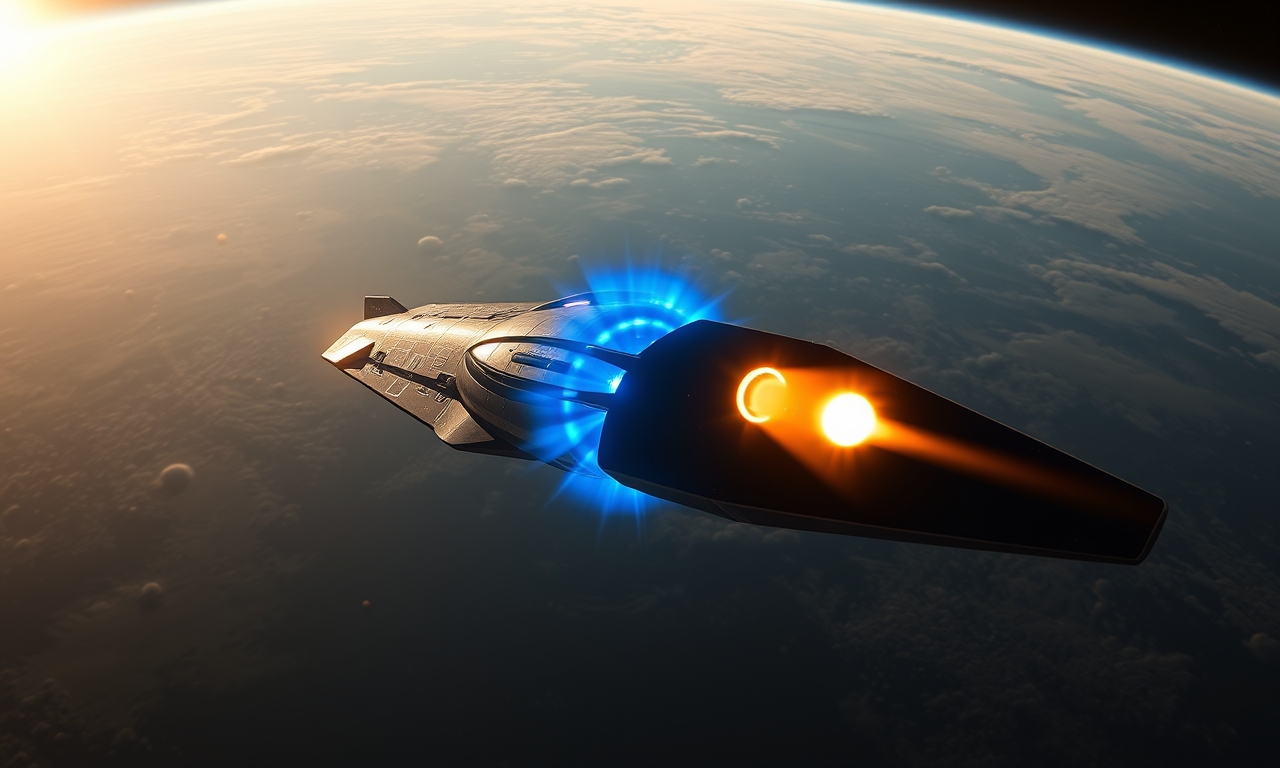
Revolutionizing Space Propulsion
A new propulsion concept that channels a single monopropellant into both electric and chemical thrusters is poised for its first in‑space test. By merging two propulsion types, the design promises to reduce weight and system complexity.
How the 2‑in‑1 System Works
Conventional spacecraft use separate fuels for electrical and chemical engines. This new system uses one monopropellant, feeding it first into an electric propulsion module. Excess energy is then redirected to a chemical thruster to provide higher thrust when required, allowing flexible adaptation to mission phases.
Benefits for Mars Missions
Space agencies see significant potential for future Mars flights. Reducing propellant loads and simplifying supply chains can lower costs and decrease the overall mass of spacecraft. The design also promises increased reliability by eliminating redundant components.
Upcoming Test and Future Applications
The first in‑space test is scheduled for the coming months. Once validated, the system is expected to be adopted in both commercial and scientific missions. Developers highlight the modular nature of the components, which can be easily integrated into various platforms.