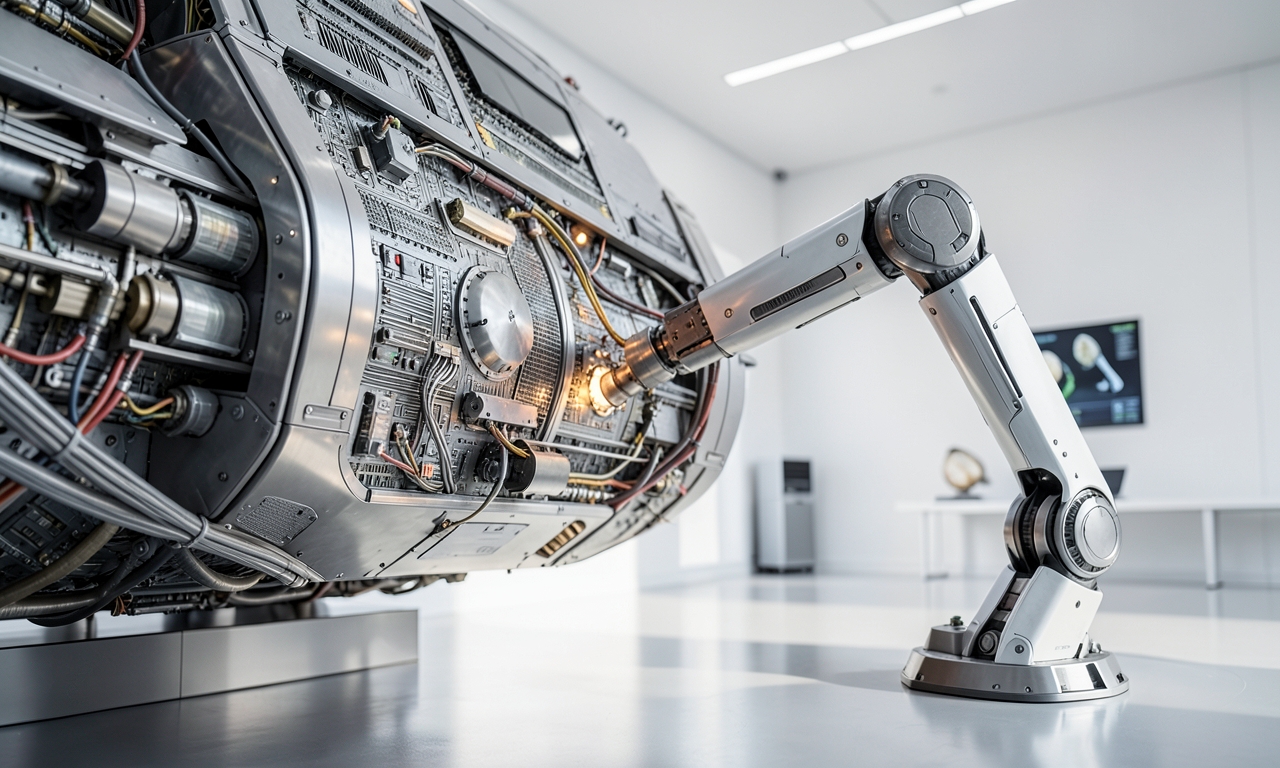
Innovative water purification for space travel
A U.S. startup has built an initial prototype of a habitat where oysters serve as biological filters for drinking water. The concept seeks to provide a sustainable method for long‑duration missions to maintain potable water without relying on heavy mechanical equipment.
How the system works
The bivalves are kept in a closed loop that allows them to absorb contaminants while producing oxygen. Their natural filtration capacity can reduce particles, bacteria and some chemicals, offering a lightweight alternative to conventional filters.
Public demonstration and upcoming tests
Earlier this year the prototype was shown to the public, demonstrating stable operation under laboratory conditions. The company now aims to adapt the habitat for a sub‑orbital flight to evaluate performance in microgravity.
Technical and biological challenges
Integrating living organisms into spacecraft systems requires precise temperature regulation, feeding, and waste handling. Researchers note that extensive biological studies will be needed alongside engineering tests to ensure long‑term reliability.
Future prospects
If the upcoming trials succeed, oyster habitats could become components of life‑support systems on lunar bases, Mars missions or orbital stations, potentially reducing the mass of traditional filtration hardware.