Sky events on August 12, 2026
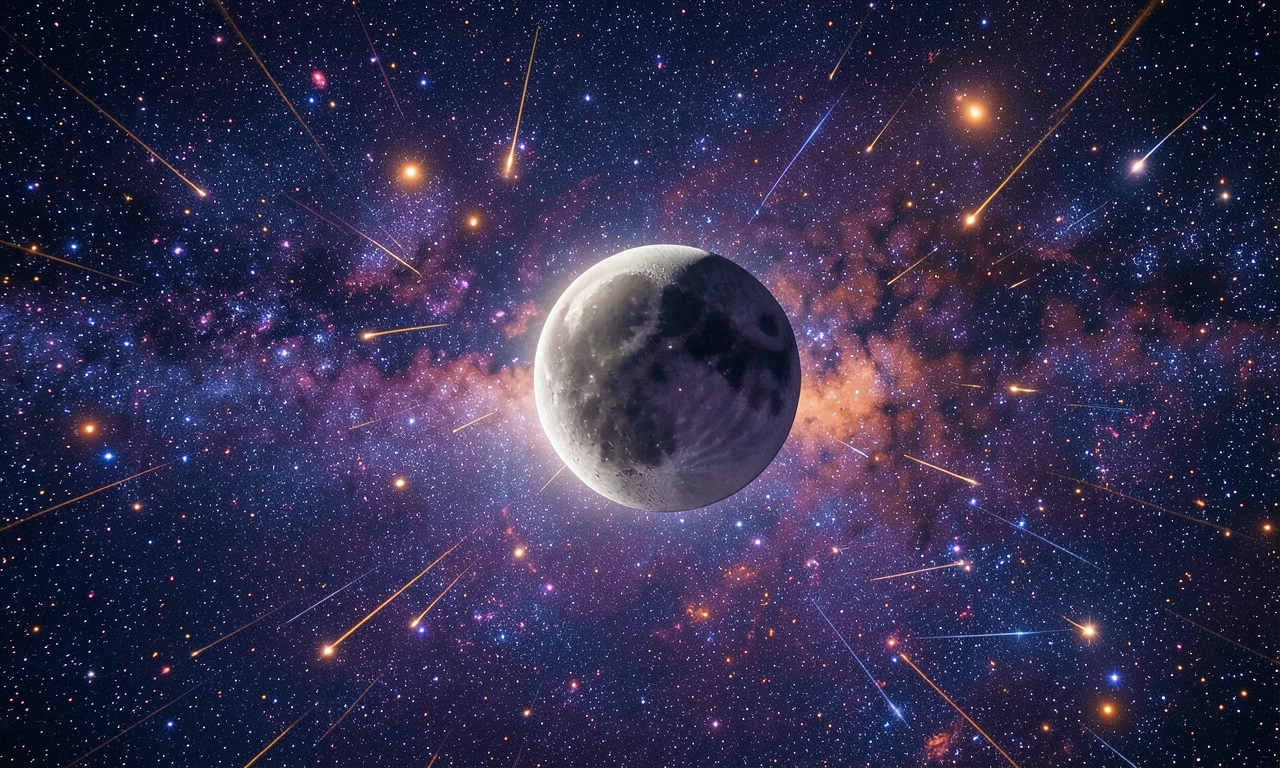
August 12, 2026 stands out as a notable date for skywatchers in certain parts of North America. A partial solar eclipse will occur during daylight hours, and the peak of the Perseid meteor shower is expected that night. Together, these events create one of the most rewarding opportunities in years for camping and nighttime observation.
Visibility of the eclipse is geographically restricted. Only selected areas within the United States and Canada fall within the zone where the Moon covers part of the Sun. Travelers should verify whether their location lies within the favorable band before planning a trip.
Combined day and night viewing
Those situated in suitable regions can experience two astronomical highlights during a single outing. The partial eclipse is observable in daytime, while the Perseid maximum typically provides the best meteor rates in the pre-dawn hours. Combining both phenomena in one journey reduces the need for separate travel.
- Partial solar eclipse on the day of August 12, 2026
- Perseid peak during the night of August 12 to 13, 2026
- Viewing mainly possible in parts of the US and Canada
- Rare alignment on a single travel day
Because the eclipse is only partial, proper solar filters are required for safe viewing of the Sun. The meteor shower needs no optical equipment, though dark skies and clear horizons improve the experience.