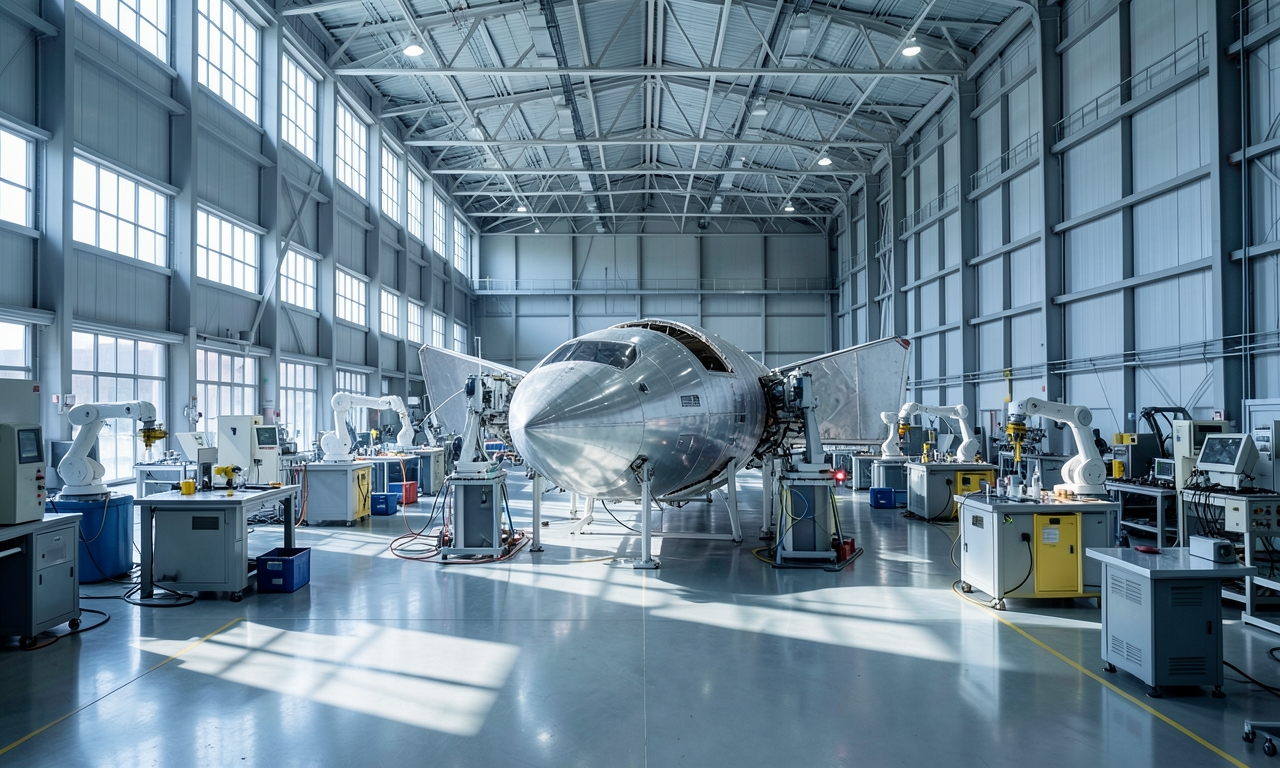
The Department of Defense faces mounting pressure to speed up the production of missiles and other weapons systems amid rising global tensions. The Pentagon is demanding shorter delivery times and higher output, which is pushing traditional defense manufacturers to rethink their established processes.
In response, a growing number of startups that have matured in the commercial space sector are bringing their software tools, robotic automation and advanced manufacturing methods into defense factories. These firms have honed the ability to build complex, high‑precision systems at competitive scale – capabilities now being adapted for missile component production.
The adoption of these technologies is reshaping the factory floor. Automated assembly lines, data‑driven quality inspection and modular production approaches are gradually replacing manual steps. This shift can reduce lead times, increase responsiveness to changing requirements and improve overall throughput.
Analysts caution that transferring commercial space practices to the defense arena also introduces challenges. Strict security and certification requirements must be met, and integrating novel systems into legacy supply chains can be complex. Nevertheless, the partnership between agile startups and established defense contractors is expected to bolster the Pentagon’s long‑term missile production capacity.