Background
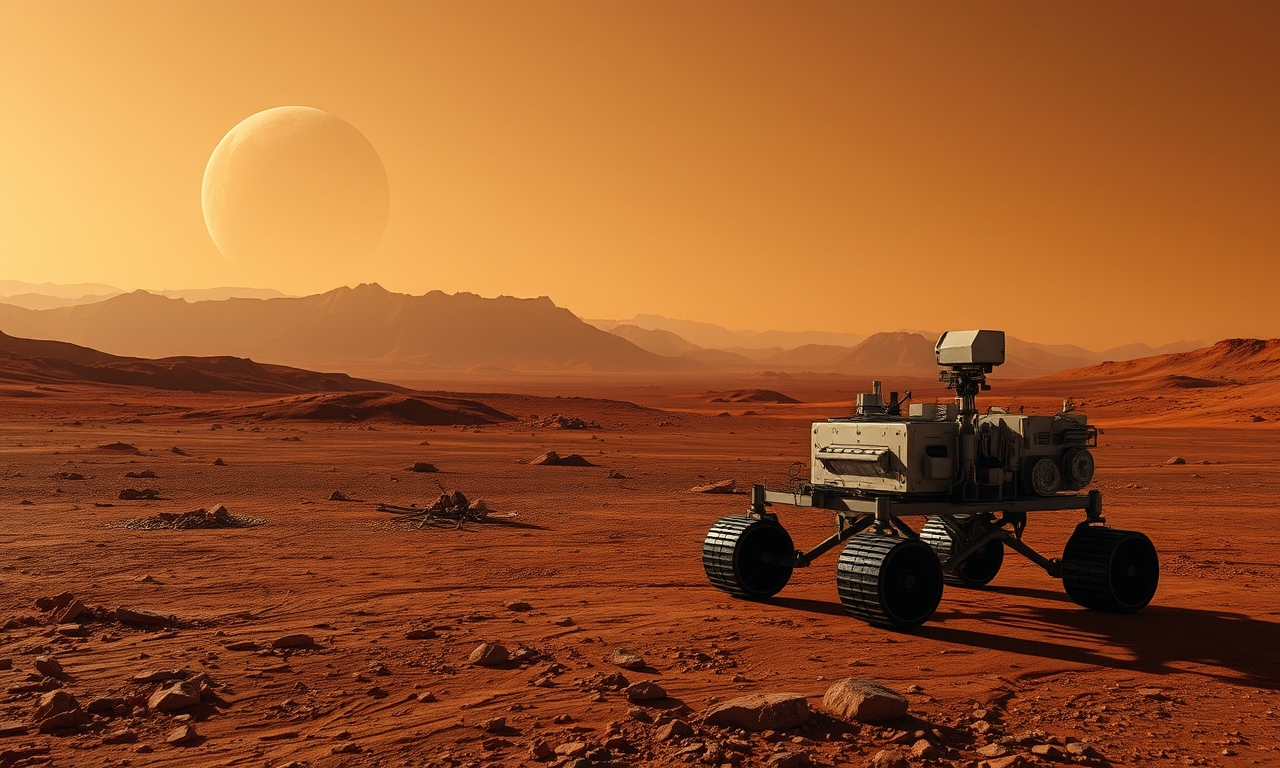
Phobos, the smallest of Mars' moons, has long posed a scientific puzzle. Some experts argue it is a captured asteroid, while others suggest it formed from the debris of a colossal impact on the Martian surface.
Current Research Directions
International teams are focusing on the moon's internal makeup to resolve the debate. Data from orbital missions, seismic experiments, and radar reflections are being analyzed to determine whether Phobos has a solid, cohesive interior or a loosely bound rubble‑pile structure.
Why Internal Structure Matters
A monolithic interior would support the captured‑asteroid hypothesis, whereas a porous, fragmented interior would be consistent with an impact‑generated origin. Direct measurements are still lacking, leaving the issue as a “known unknown.”
Future Prospects
Upcoming missions that plan landings and drilling operations aim to retrieve samples and assess the moon's density. The results could illuminate not only Phobos' formation but also provide insights into Mars' early geological history.