Radio telescopes as space scanners
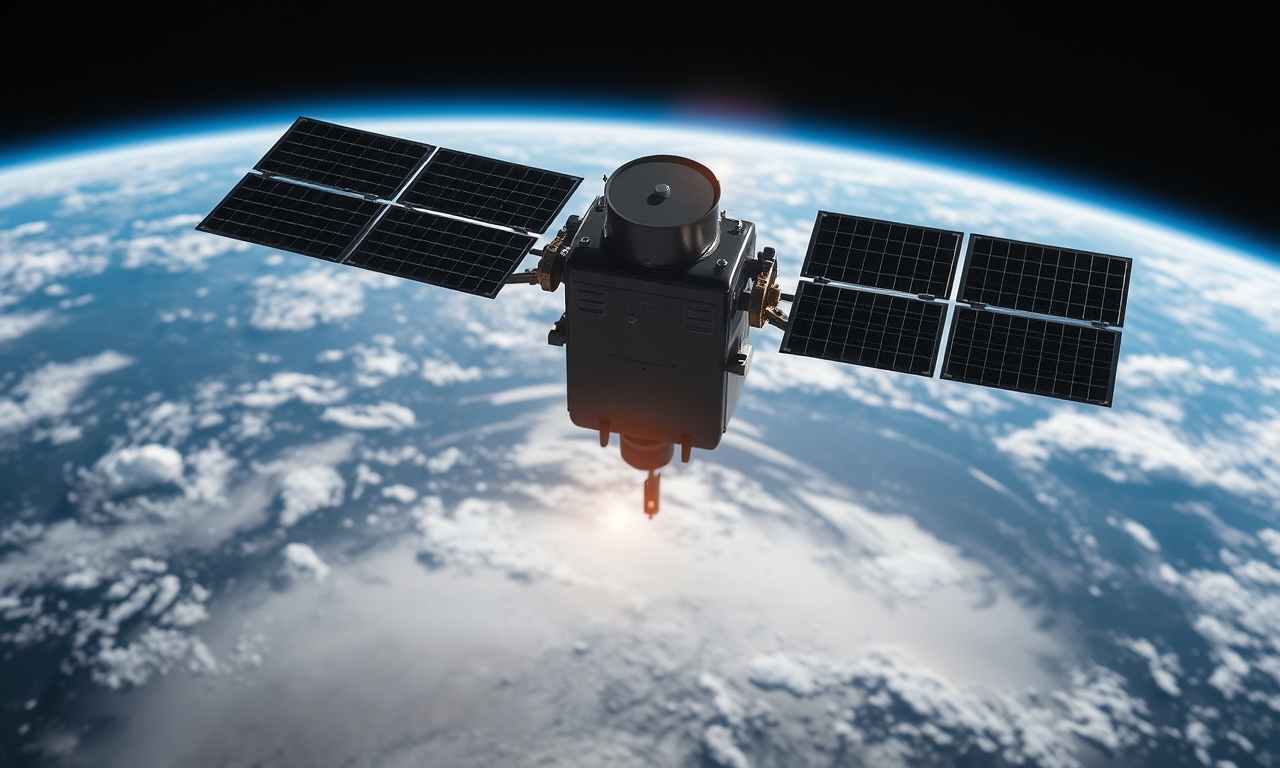
An international team of scientists has shown that radio telescopes originally built for astronomical observations can also be used to monitor objects in Earth orbit. By combining interferometry with advanced signal‑processing algorithms, they managed to capture the reflected radio signals from satellites and space debris with far greater accuracy than before.
The technique relies on the fact that metallic surfaces in space reflect radio waves. Tuning the telescopes to specific frequencies and narrowing their beams allows even tiny fragments of debris to be distinguished. The researchers emphasized that no active transmitters are needed on the targets; the method works purely passively.
In initial tests, objects smaller than ten centimetres at an altitude of about 800 kilometres were detected reliably. Orbital determination accuracy reached a few metres, while velocity measurements exhibited an error below one percent. These figures surpass the performance of many existing ground‑based radar systems, especially regarding all‑weather capability and observations during twilight.
The scientists view the approach as a potential complement to current space surveillance networks. A global distribution of radio‑telescope arrays could fill coverage gaps, particularly over oceans and in regions with limited ground infrastructure. Moreover, the method can be slotted into existing data‑processing pipelines, delivering results quickly to satellite‑constellation operators and space‑traffic management authorities.
Future work will aim to boost sensitivity further and automate the classification of objects by material composition and size. The team plans to apply machine learning to the complex echo patterns to infer shape and surface properties of the targets. If proven robust, the technology could become a key element in ensuring the long‑term safety of the orbital environment.