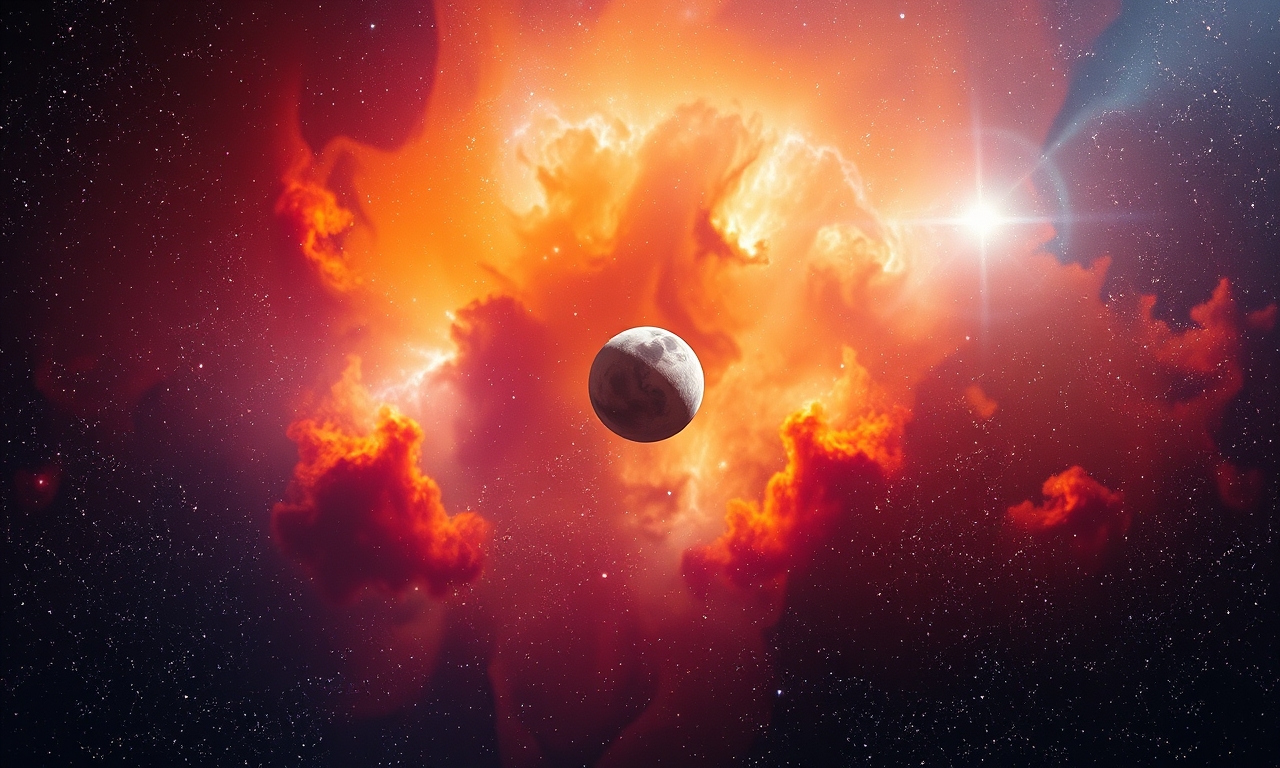
A Uncommon Daytime Phenomenon
On Saturday, June 17, a rare sky event will occur: a slender crescent moon will move directly across the brilliant Venus, briefly covering it. This daytime occultation can be observed only under favorable conditions.
Viewing Conditions
Because both the Moon and Venus are visible during daylight, a clear sky and a location with minimal light pollution are advisable. The occultation starts around 13:30 UTC, reaches its maximum at approximately 13:33 UTC, when Venus is almost completely hidden, and then the two bodies separate again, revealing Venus.
Who Can See It?
The event will be visible across large parts of Europe, North Africa and Western Asia. Observers in Central Europe have the best chance, as the Sun will be high and the objects will be well above the horizon.
Observation Tips
- Use proper eye protection or a solar filter to avoid glare from the Sun.
- A pair of binoculars or a small telescope helps to discern the details.
- Record the exact times to document the occurrence.
Relevance for Astronomy
Although purely visual, the event offers amateur astronomers a chance to practice observational skills and experience a rare sky configuration. Such occultations also boost public interest in space science.