Notable celestial events in August
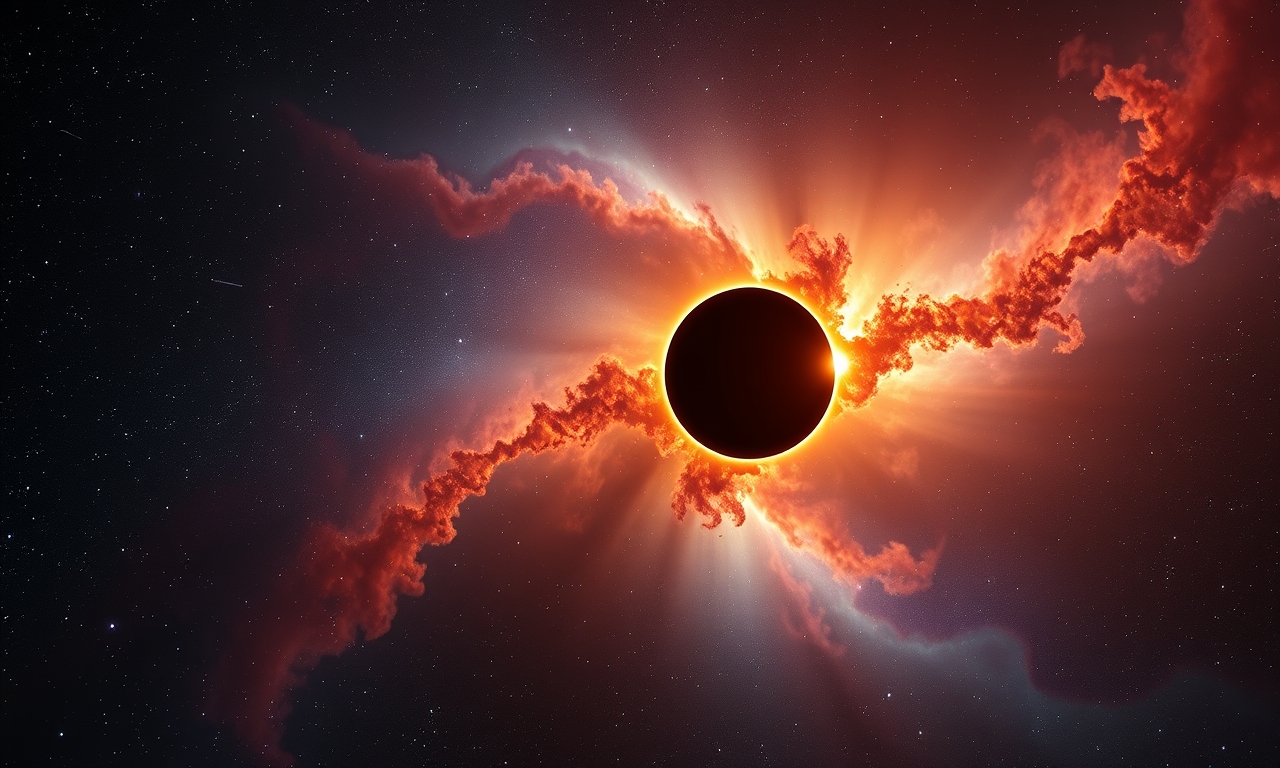
On 12 August a partial solar eclipse will be visible across the United Kingdom, marked as the most significant of its kind over the region in many decades. Just hours afterward, the annual Perseid meteor shower reaches its peak, offering skywatchers the chance to observe two astronomical events within a short timeframe.
Because the visibility of such an eclipse depends on local conditions such as horizon clearance and light pollution, the chosen site and its surroundings are important for a successful experience. Locations with open sightlines toward the south and limited interference from artificial lighting are generally preferable.
Suggested regions for observation
- Raised coastal areas in the southwest with clear sea horizons
- Upland terrain in Wales offering broad views
- Open moorland in Scotland away from urban centres
- Hilly ground in northern England with lower cloud likelihood
- Dark protected areas in East Anglia
- Elevated spots on the Channel Islands for unobstructed sight
- National parks in southern England with controlled lighting
- Western districts of Northern Ireland facing southwest
- Disused airfields or open fields in the Midlands plain
- Free-standing viewpoints along the southern coastline
Regardless of location, observers are strongly advised to use proper solar filters or certified eclipse glasses, since looking directly at the Sun can cause permanent eye injury. The conjunction of the eclipse and the meteor peak makes the night of 12 August one of the most notable astronomical opportunities of the year in the United Kingdom.