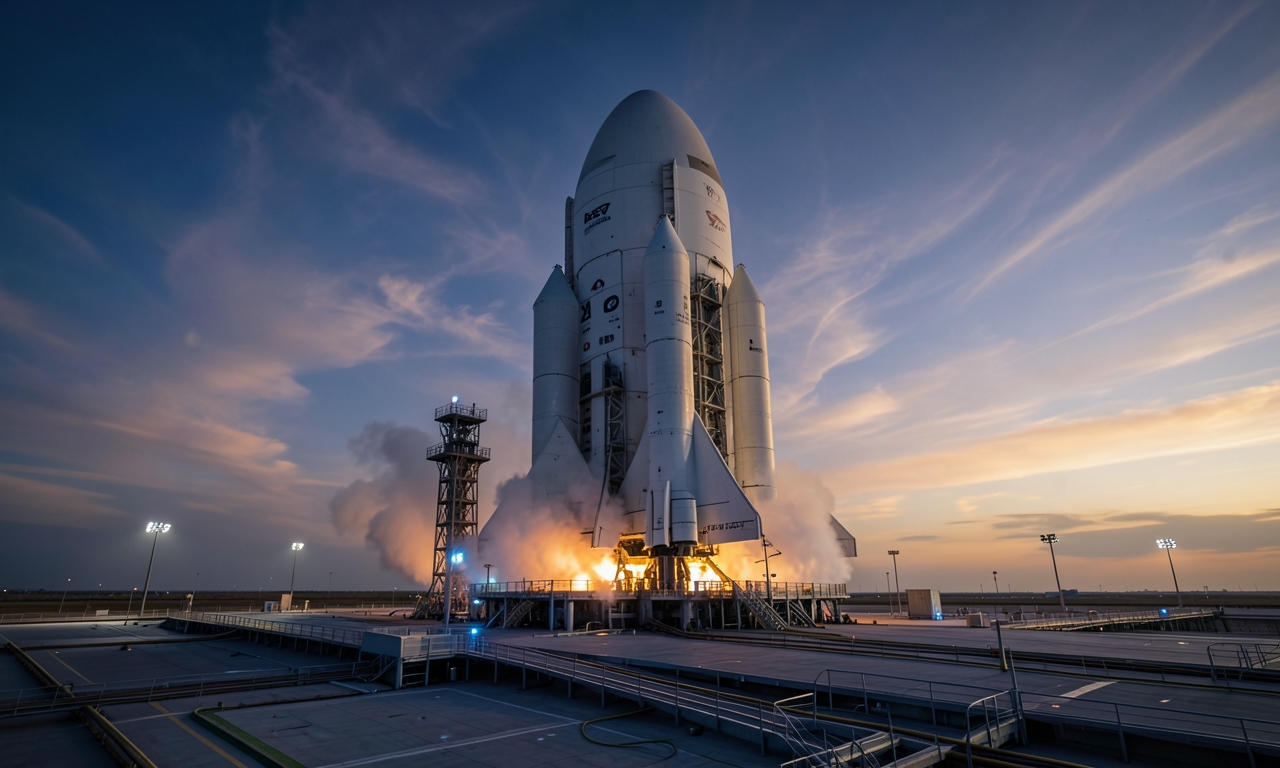
Planned lunar impact
A retired upper stage of the Falcon 9, left in orbit after a previous launch, is scheduled to be deliberately directed onto the Moon’s surface in August. The maneuver is part of SpaceX’s controlled disposal of the vehicle’s final component.
Technical background
The stage in question is the second element of the two‑stage launch system, which remains after engine shutdown in orbit. A series of orbital adjustments have placed the hardware on a trajectory that will bring it to lunar proximity within roughly a month, culminating in an impact at several kilometres per second.
Observation prospects
Astronomers and amateur observers are debating whether the impact will be visible from Earth. The expected brightness of the collision is likely below that of a typical star, and the fleeting nature of the flash makes detection challenging. Visibility will also depend on local weather and the Moon’s phase during August.
Future implications
Regardless of visual detectability, the controlled impact will provide data on the dynamics of objects in lunar orbit. These insights could aid upcoming missions that plan to steer spent stages or other debris toward the Moon in a controlled manner.