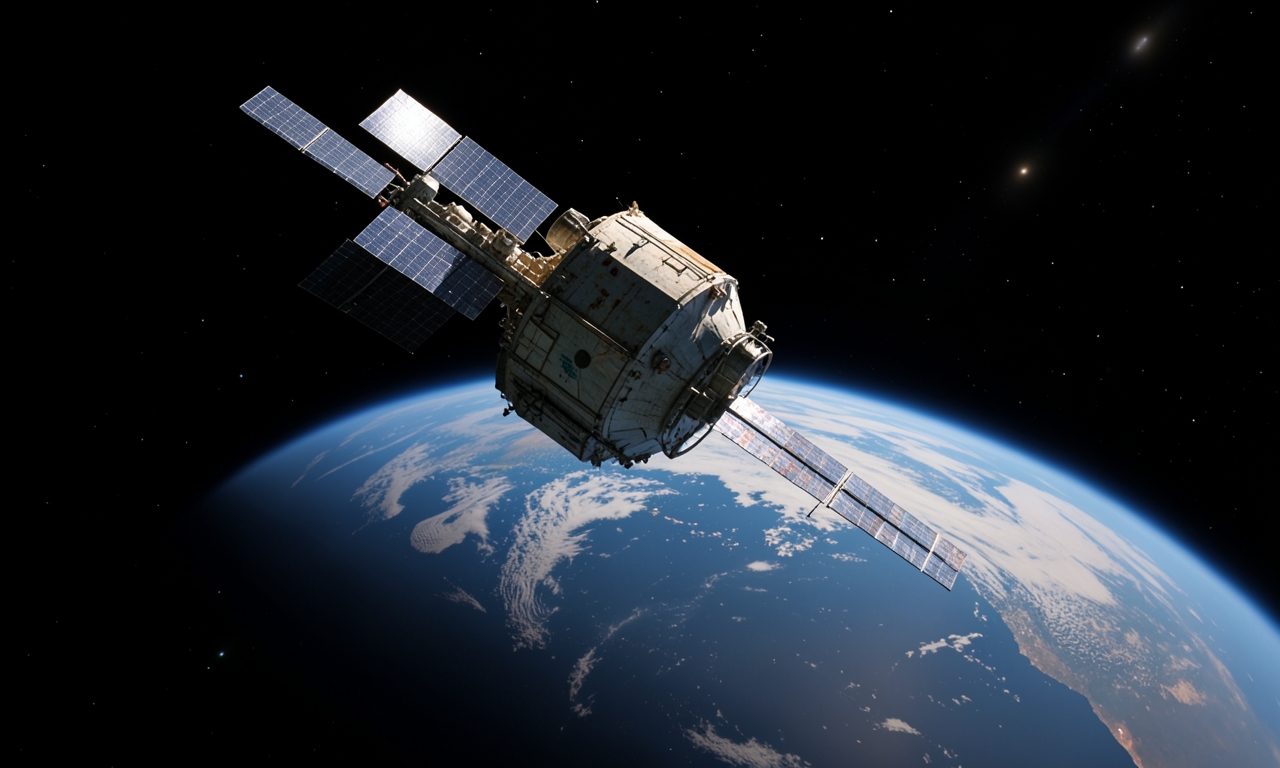
The End of Salyut‑6
On July 29, 1982, the Soviet Salyut‑6 space station left orbit and burned up harmlessly in Earth’s atmosphere. The reentry concluded the operational life of one of the first long‑duration habitats built by the Eastern Bloc.
Launched on September 29, 1977, Salyut‑6 hosted a series of crews, including the first international guest cosmonauts from countries such as France, India and East Germany. The station was used to test docking procedures with the Igla system and to validate resupply missions using the unmanned Progress freighters.
The controlled deorbit demonstrated that the USSR had devised methods to bring large orbital structures down safely, minimizing the risk of debris impacting populated areas. Lessons learned from Salyut‑6’s end were incorporated into the design and operation of the later Mir station.
Today the event serves as an early example of how spacefaring nations addressed the challenge of orbital debris and the need for planned, safe disposal of aging spacecraft.