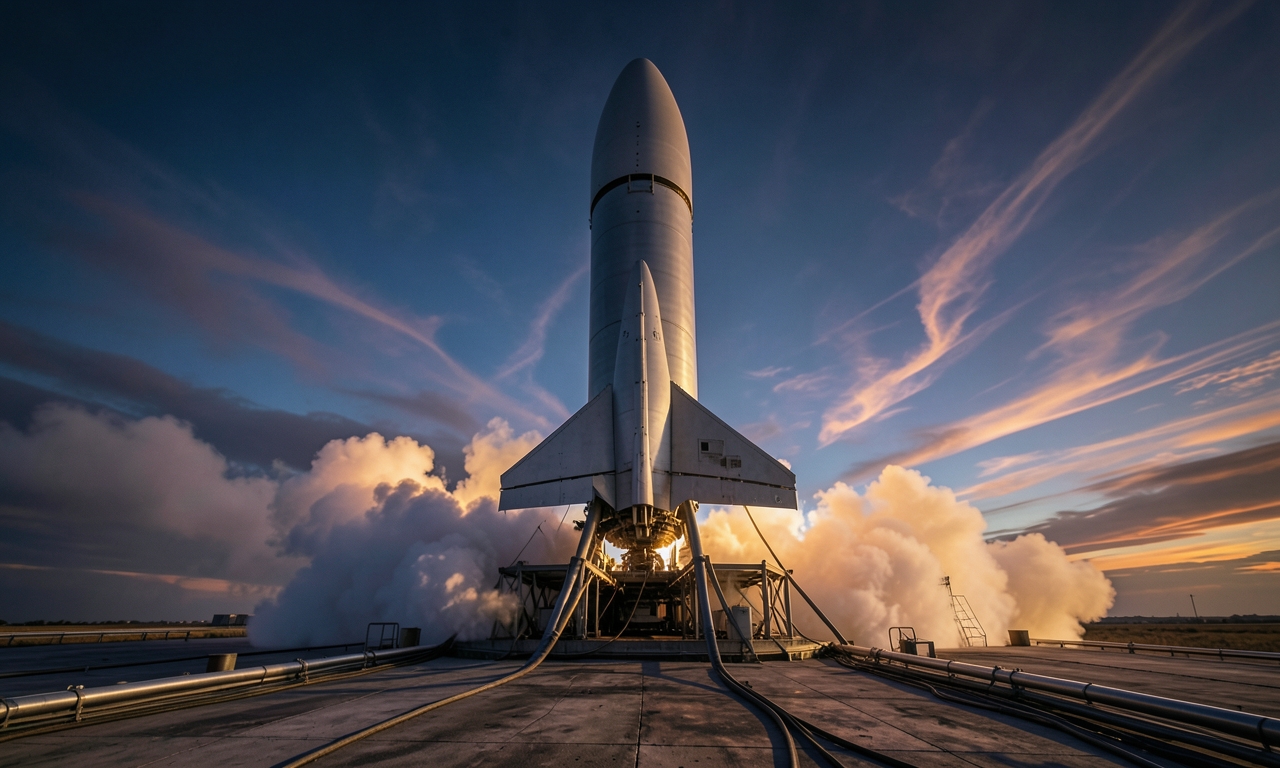
A Turbulent Launch Phase for Starship‑Based Initiatives
The recent public offering of SpaceX has triggered notable fluctuations in its share price, a pattern now echoed by the growing number of satellite constellations being planned around the Starship launch system. Investors are reacting to the inherent uncertainties of scaling a uniquely capable launch vehicle.
Financial Volatility Tied to Technical Challenges
The price swings stem not only from market sentiment but also from unresolved technical issues within the Starship program, such as the reusability of the Super Heavy booster and operational safety during fully‑laden missions. New data releases can cause rapid market movements.
Implications for Satellite Operators
Several firms intend to deploy their own constellations using Starship, attracted by the prospect of substantially lower cost per kilogram. However, reliance on a system that has not yet demonstrated full operational maturity introduces schedule and financing risks.
Risk‑Mitigation Strategies
To cushion financial volatility, some companies are adopting hybrid launch strategies, employing both proven rockets and Starship in parallel. Additionally, increased use of insurance policies and hedging instruments aims to protect against losses from delays or launch failures.
Outlook
The coming quarters will reveal whether SpaceX can achieve the technical readiness required to stabilize its market performance. A steadier share price would boost confidence across the broader Starship ecosystem and pave the way for numerous new satellite projects.