Space Industry & Business
Galaxia Acquires Simera Sense HyperScape100 Hyperspectral Imager
Galaxia has purchased the HyperScape100 hyperspectral imager from Simera Sense to advance its Earth observation capabilities.
Space, spaceflight & New Space – fresh daily, AI-assisted
Galaxia has purchased the HyperScape100 hyperspectral imager from Simera Sense to advance its Earth observation capabilities.
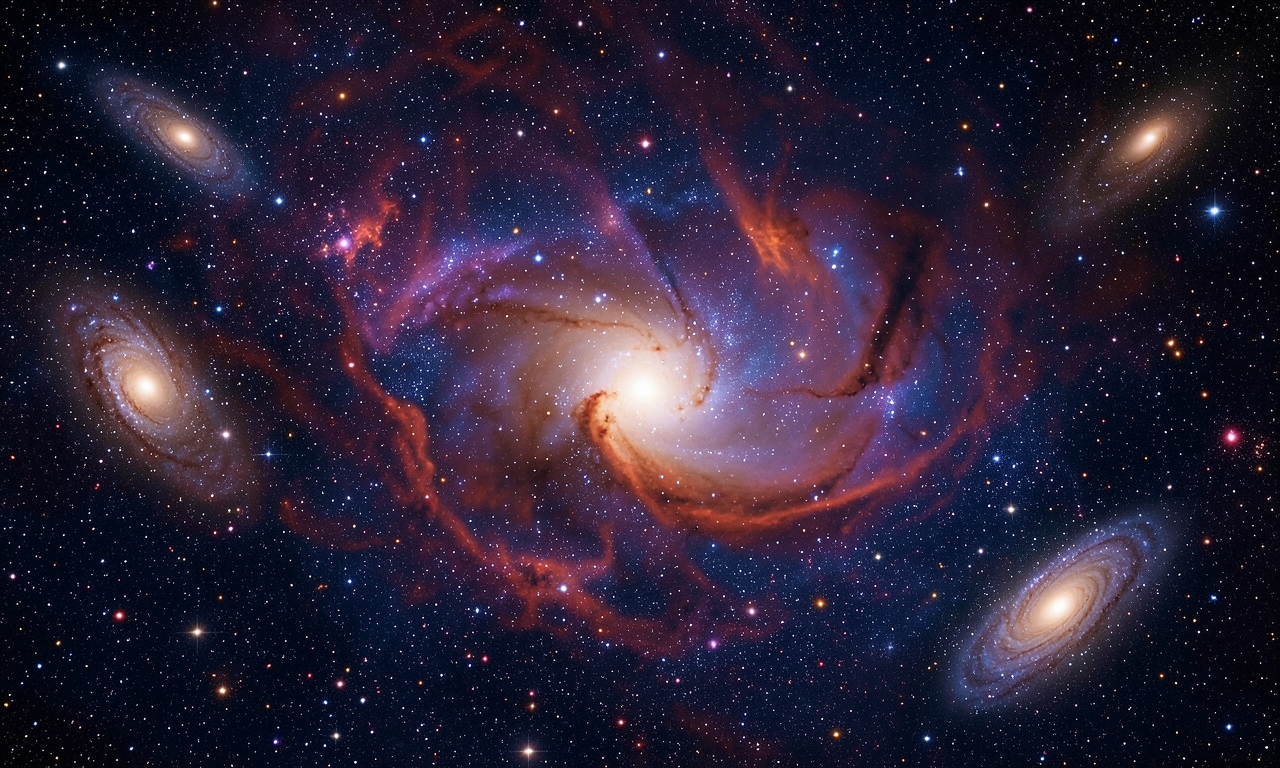
On September 3, 2026, the Astronomy Picture of the Day showcased an image titled “The Eclipse and the Stork“.
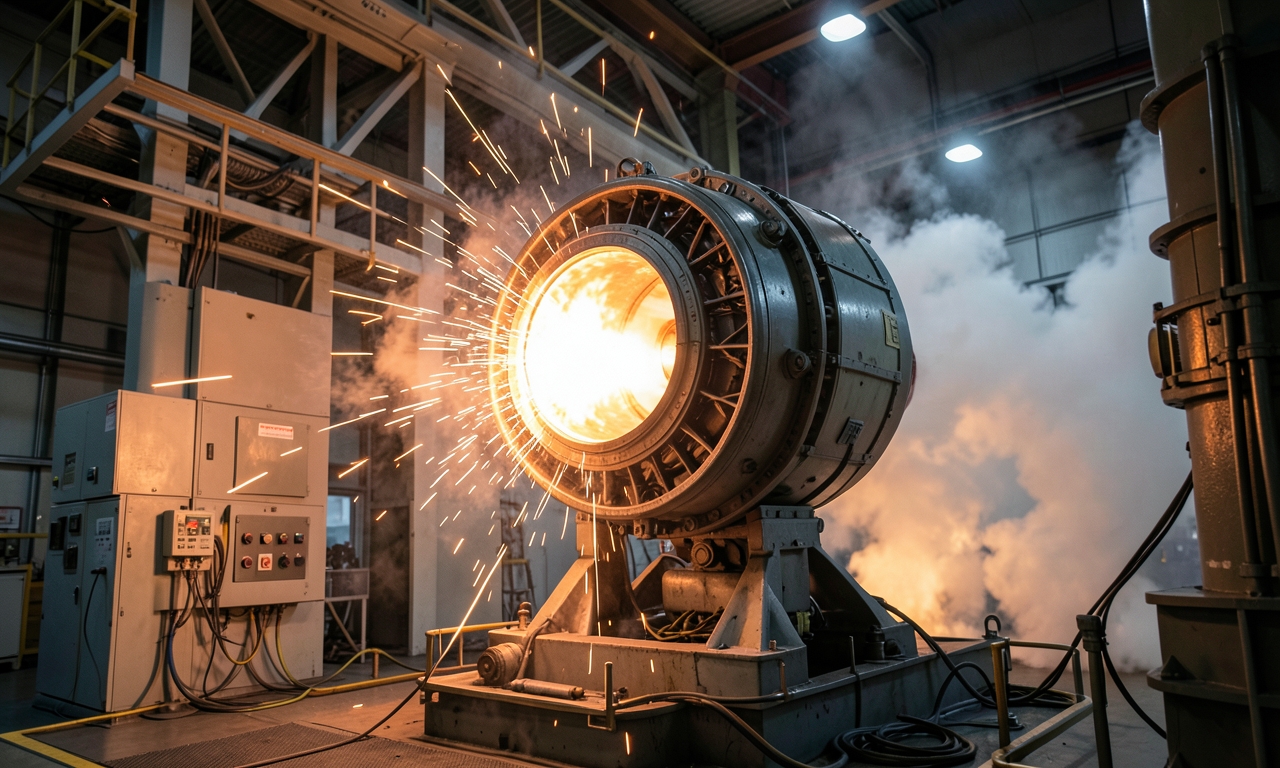
The Hungry Hippo test stand has finished its checks, while Rocket Lab aims to launch the Neutron rocket before the year ends.
After nearly a decade of waiting, Al Hope says working on the sequel feels like coming home.

On August 28, 2026 the Moon entered Earth's shadow, reaching a depth of 96.3% of its disk in the umbra.
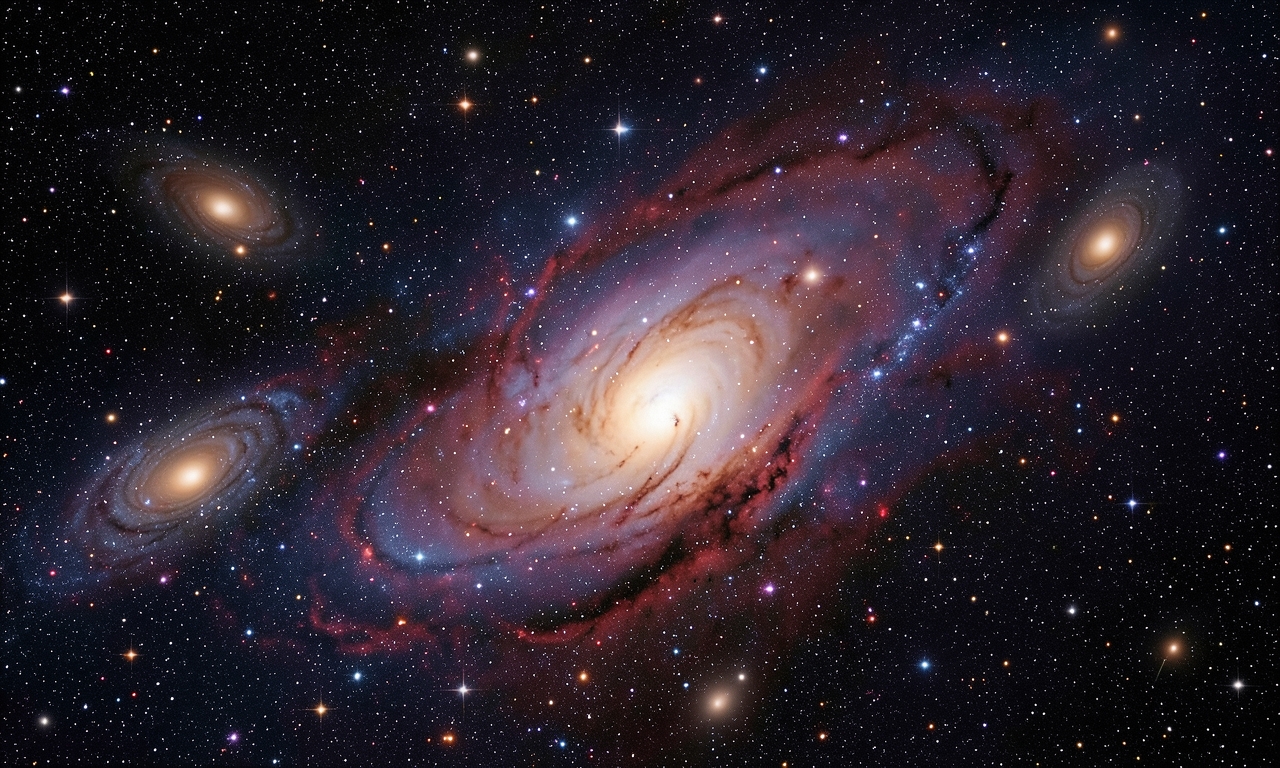
New analyses suggest that some of the supermassive black holes observed by the James Webb Space Telescope in the early universe might not be as massive as initially estimated.
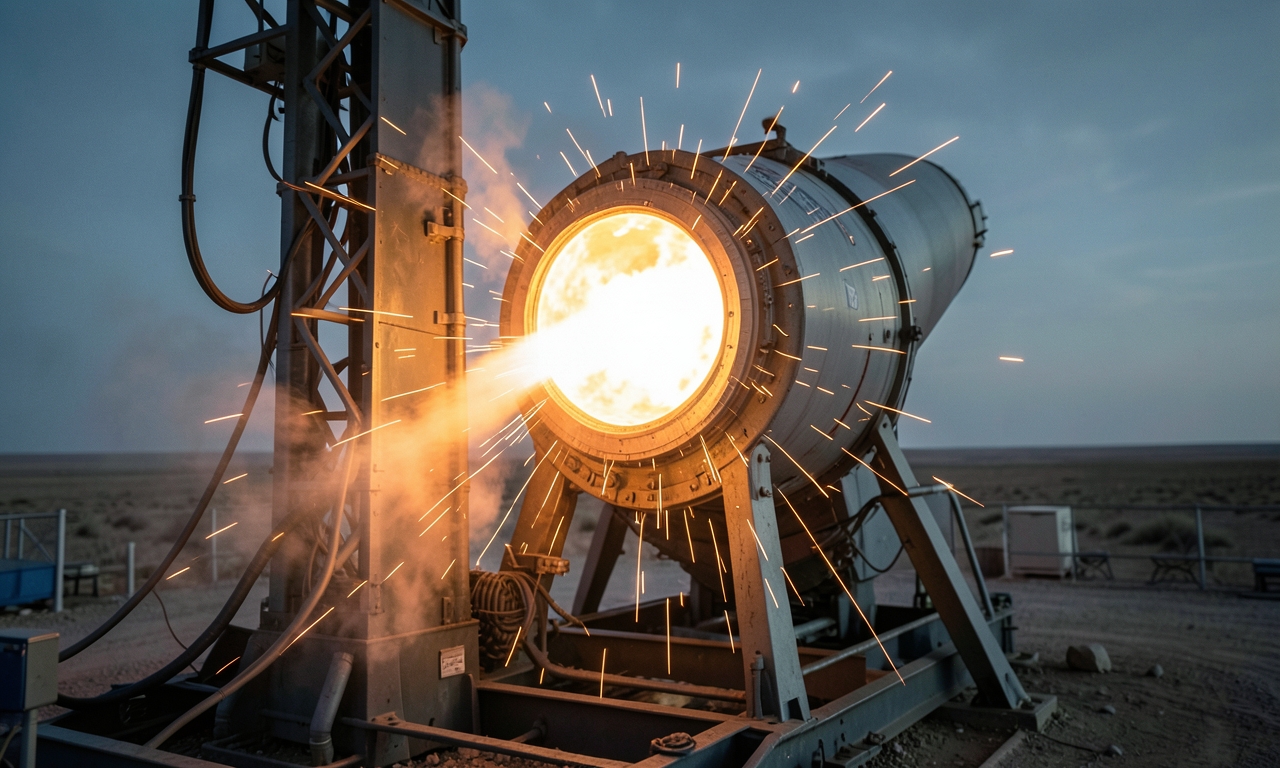
A suborbital research rocket has conducted the first multi-point measurements inside the high-altitude, radio-disrupting clouds known as sporadic E layers.
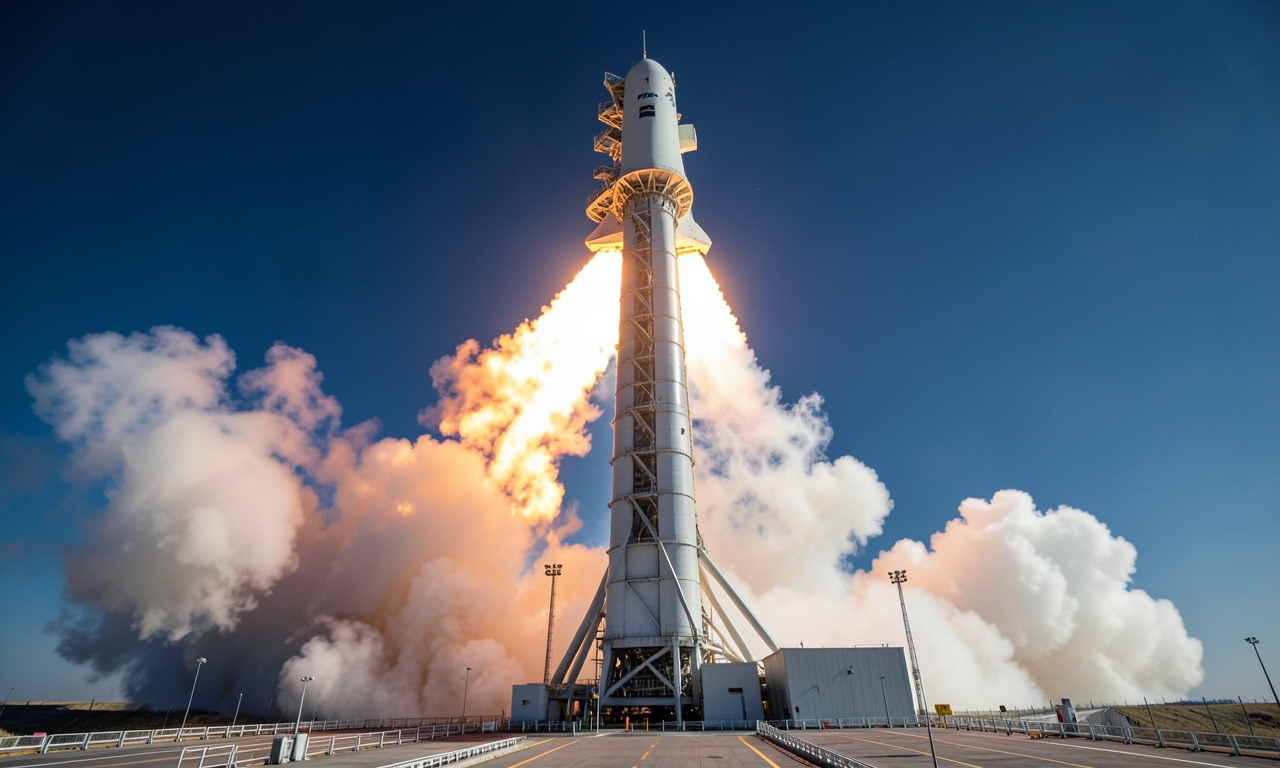
A launch photo of the Falcon Heavy shows intense flames as it carries NASA’s Roman Space Telescope into orbit.
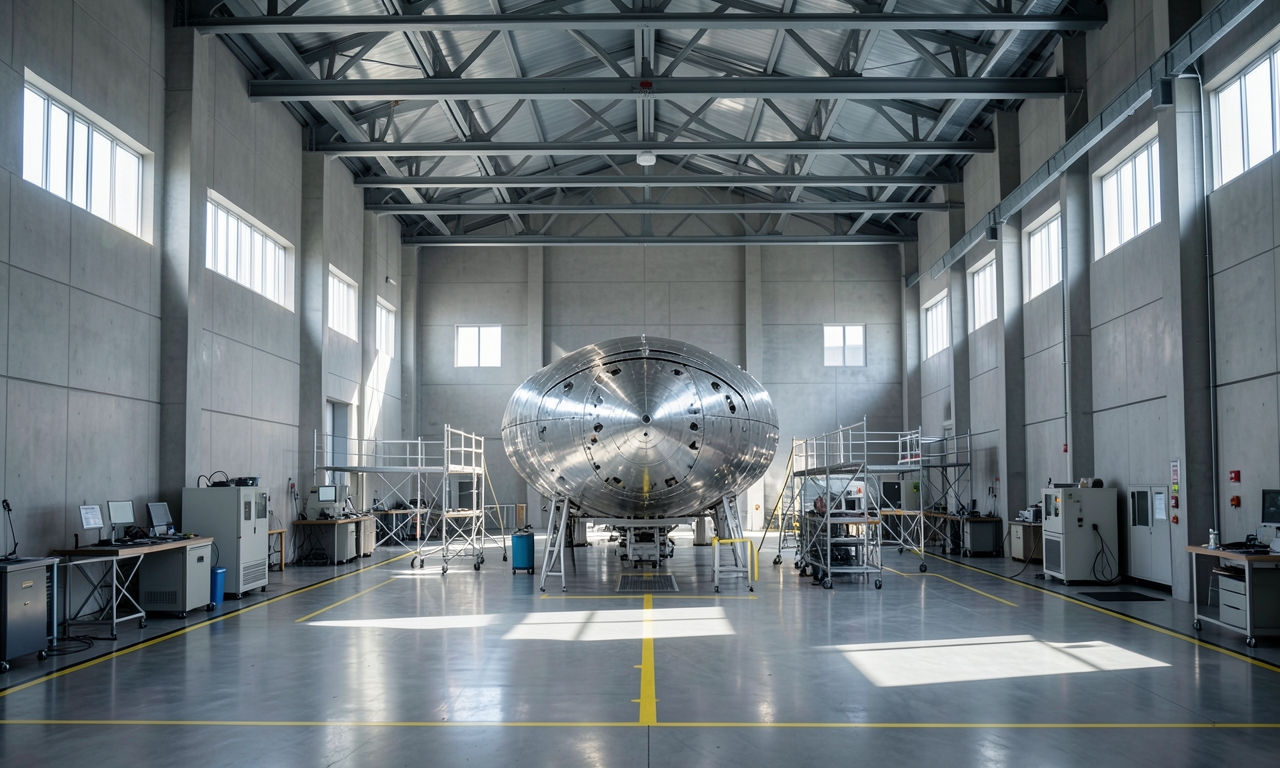
The company marked the completion of a 20,500‑square‑foot headquarters expansion with a ribbon‑cutting ceremony on August 26, 2026.
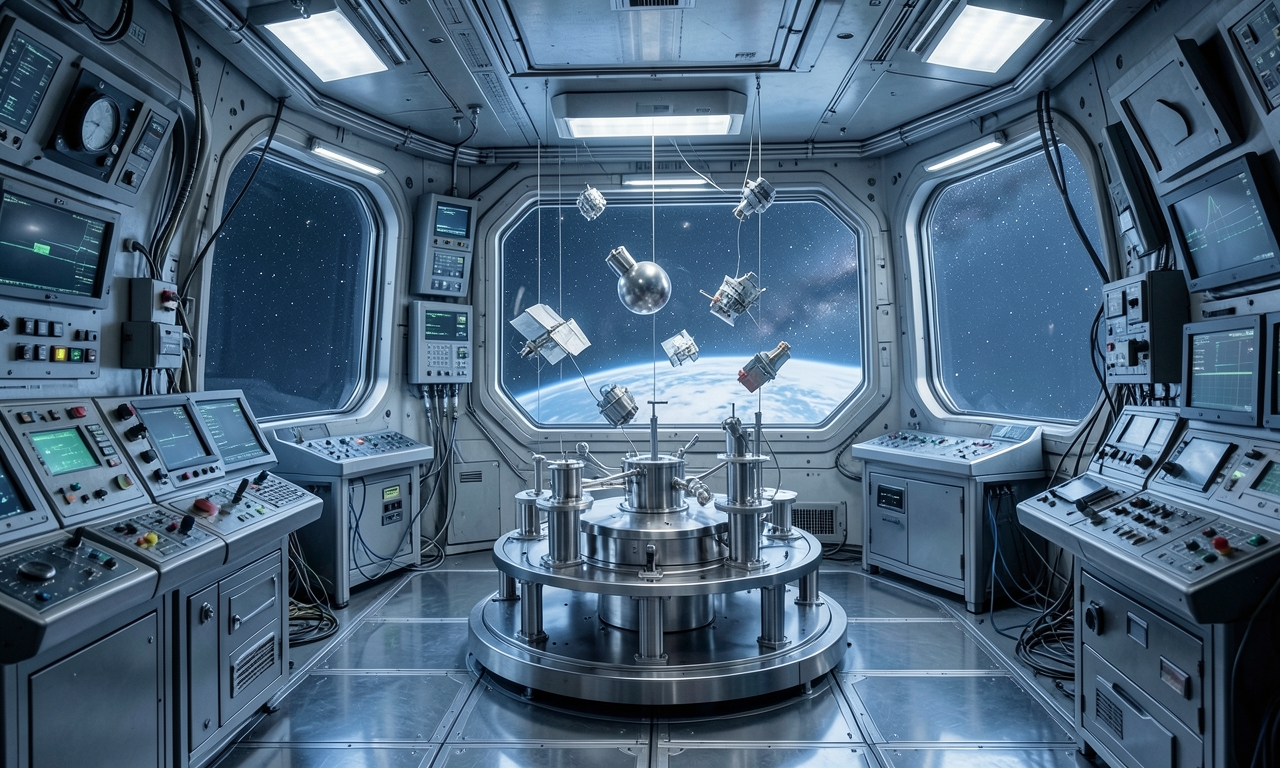
The Cluster mission concluded on 1 September 2024 with the controlled re‑entry of the satellite Tango over Earth. The maneuver provides valuable data for designing safer, more sustainable spacecraft.
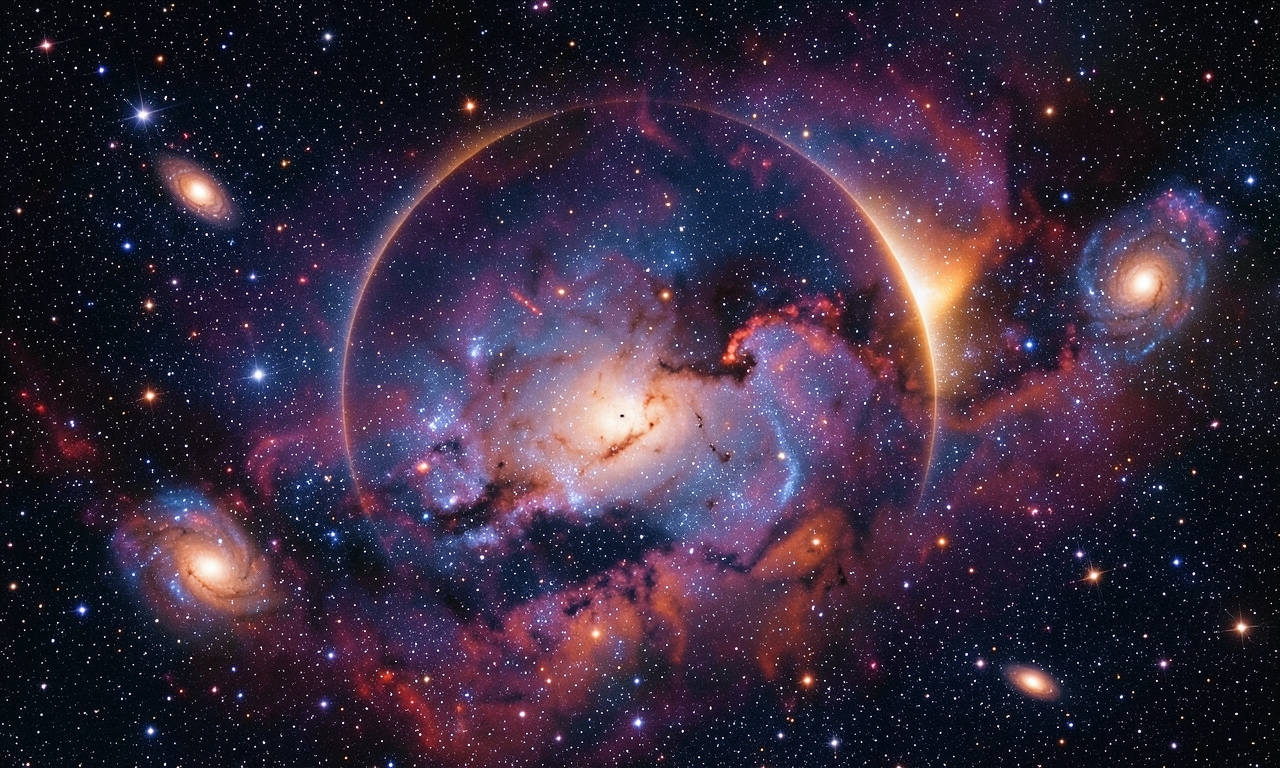
The Astronomy Picture of the Day showcases an image on September 2, 2026 that links solar eclipses with cultural aspects.
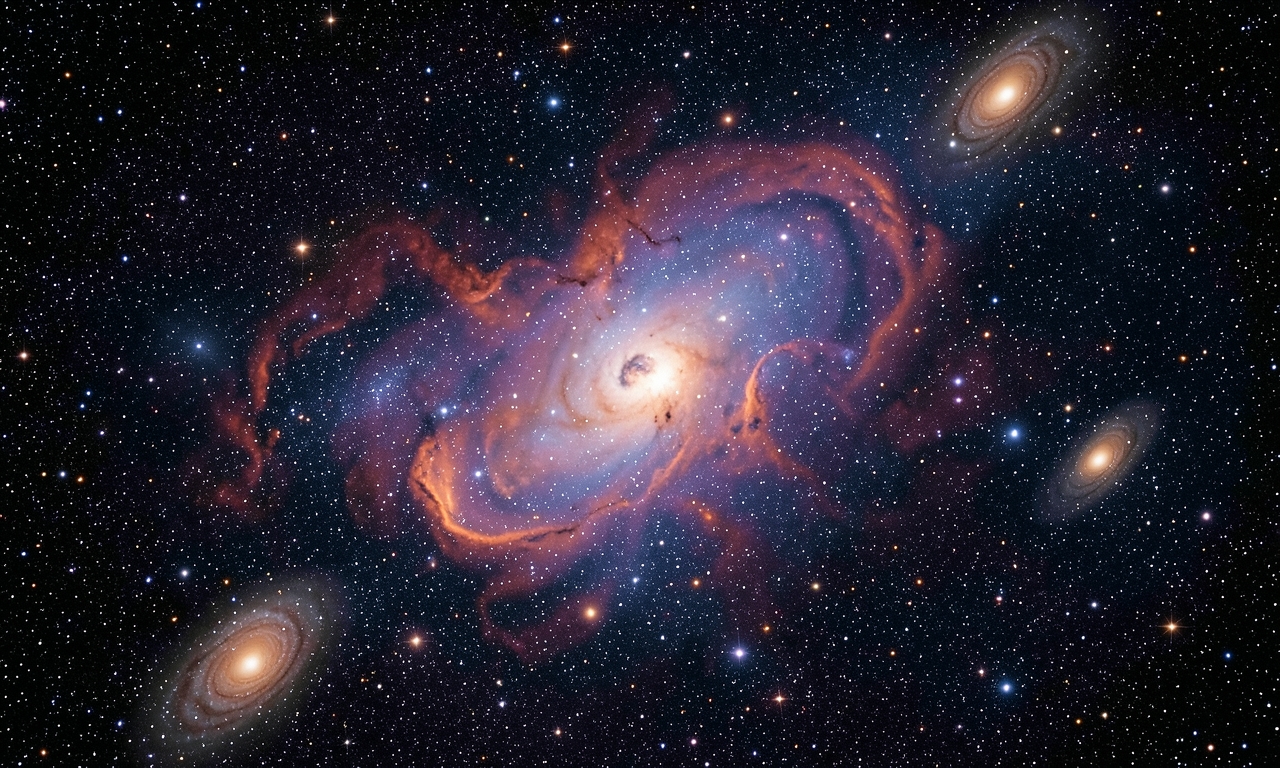
Extreme quasars observed shortly after the Big Bang provide astrophysicists with clues about the formation of supermassive black holes.