Contract awarded for Aeolus successor
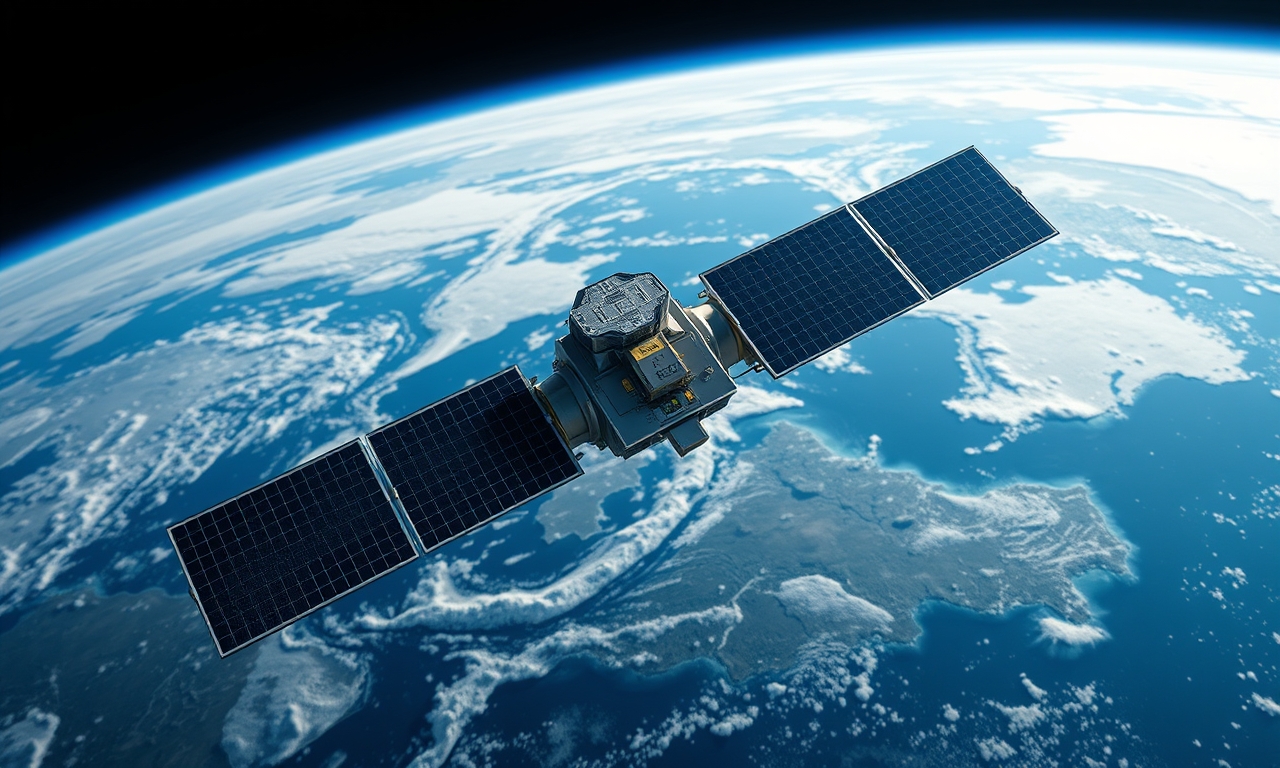
The European Space Agency (ESA) has selected Airbus Defence and Space to lead the development of the second wind‑monitoring satellite, commonly referred to as Aeolus‑2. The new platform aims to enhance atmospheric wind measurements, providing richer data for weather forecasting and climate research.
Objectives and technical direction
Aeolus‑2 is expected to deliver higher‑accuracy global wind observations, especially over regions that are currently under‑sampled. The spacecraft will likely feature an upgraded LIDAR (Light Detection and Ranging) instrument, offering improved resolution and broader measurement bandwidth. Design efforts also focus on extending mission lifetime and increasing power‑efficiency.
Impact on weather prediction
Data from Aeolus‑2 will be integrated by national meteorological services and international research institutions to refine both short‑term and long‑term forecast models. More precise wind profiles will improve storm tracking and enable better assessments of climate‑change impacts.
Project timeline and next steps
The contract outlines a multi‑year development phase, with a launch window projected for the next decade. Following assembly, the satellite will be launched on a European launch vehicle from the Guiana Space Centre in Kourou. ESA plans to make the first scientific data available roughly one year after launch.
Collaboration and funding
This initiative forms part of ESA’s broader programme to strengthen Europe’s space‑based observation capabilities. Funding is provided collectively by ESA member states, while Airbus assumes responsibility for the industrial implementation.