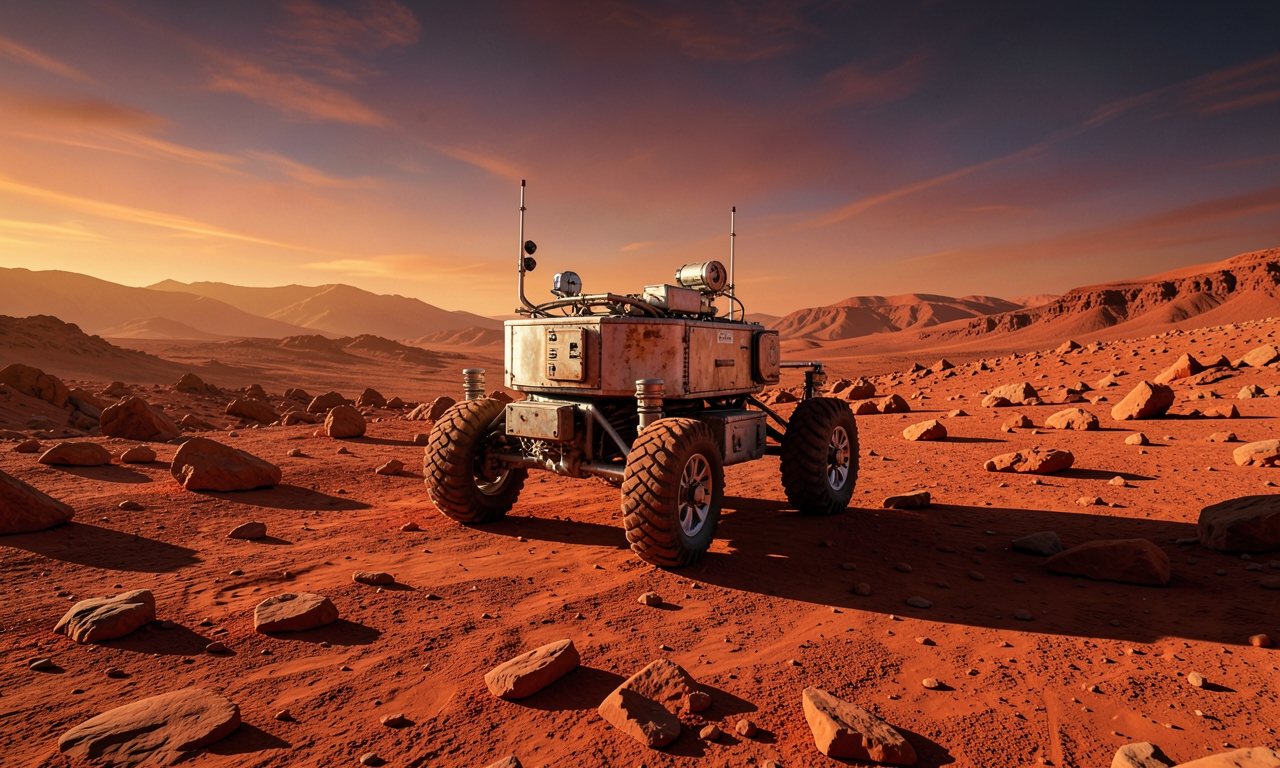
Scientists have examined how carbonate minerals form on Mars and why only small amounts are seen at the surface despite climate models predicting a thick CO2-rich atmosphere over three billion years ago.
Carbonates precipitate when liquid water containing dissolved carbon dioxide reacts with rock; their composition records both the water and the rock, making them a valuable archive of past wet conditions.
Recent analyses of rock samples collected by rovers and delivered as meteorites have revealed carbonate signatures in the subsurface, exposed by deep impacts or drilling.
These hidden carbonate reservoirs bolster the idea that Mars once hosted a denser atmosphere, much of which may have been sequestered in the crust, leaving the surface comparatively depleted.
Future missions could target such subsurface deposits to refine the planet’s climate history and assess their potential as resources for human exploration.