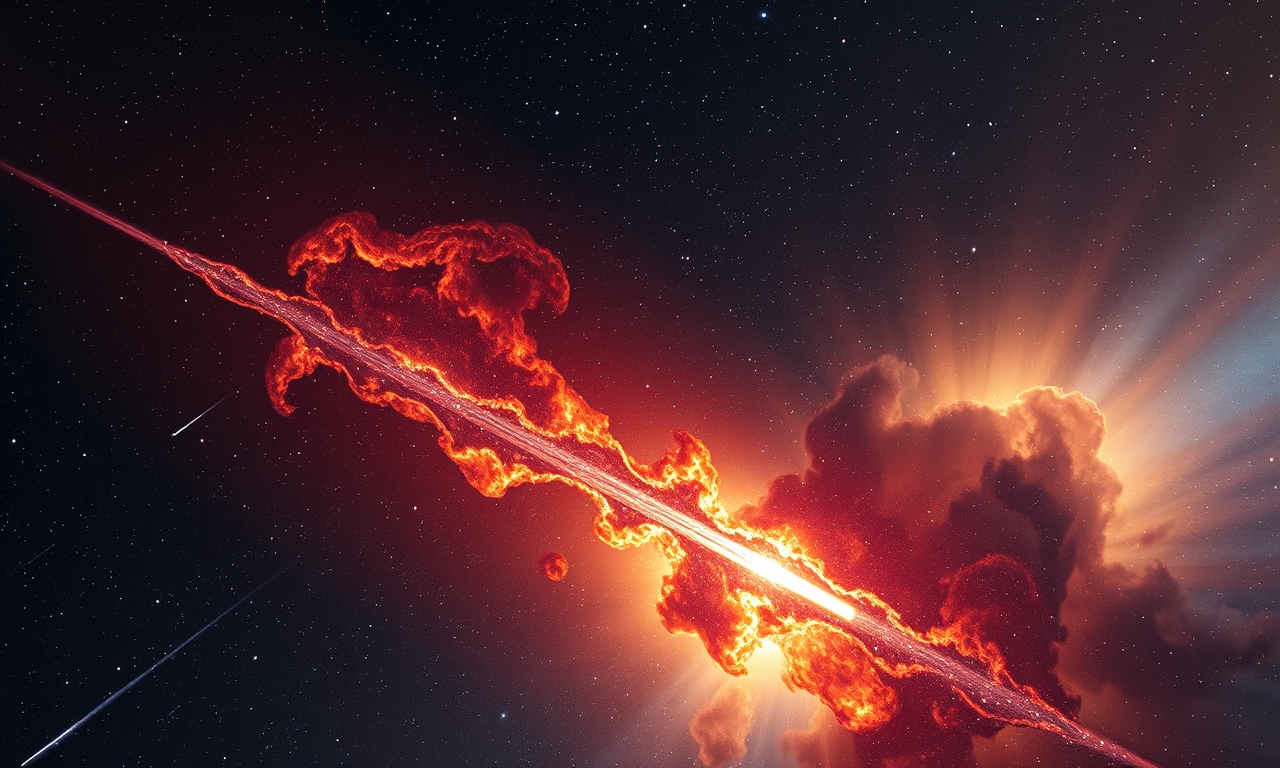
Differences Between Asteroids, Comets and Meteors
Asteroids are solid rocky bodies, primarily located in the belt between Mars and Jupiter. Comets contain ice and dust; as they approach the Sun, the ice sublimates, creating a bright tail. A meteor occurs when a small space particle enters Earth’s atmosphere and burns up due to friction.
Formation of a Meteorite
If a fragment survives the atmospheric passage and reaches the ground, it is classified as a meteorite. These can be composed of stone, iron, or a combination of both.
Visual Identification in the Night Sky
- Brightness: Comets often display a diffuse, extended tail, whereas meteors appear as brief, point‑like streaks.
- Duration: A meteor flash typically lasts only a few seconds; a comet may be visible for hours.
- Trajectory: Meteors usually radiate from a single radiant point, while comets follow a well‑defined orbit along the ecliptic.
Practical Observation Tips
Watch the color of the streak—green hues often indicate metallic content. Noting multiple occurrences can help distinguish between a meteor shower and a cometary event.