Observations from Orbit
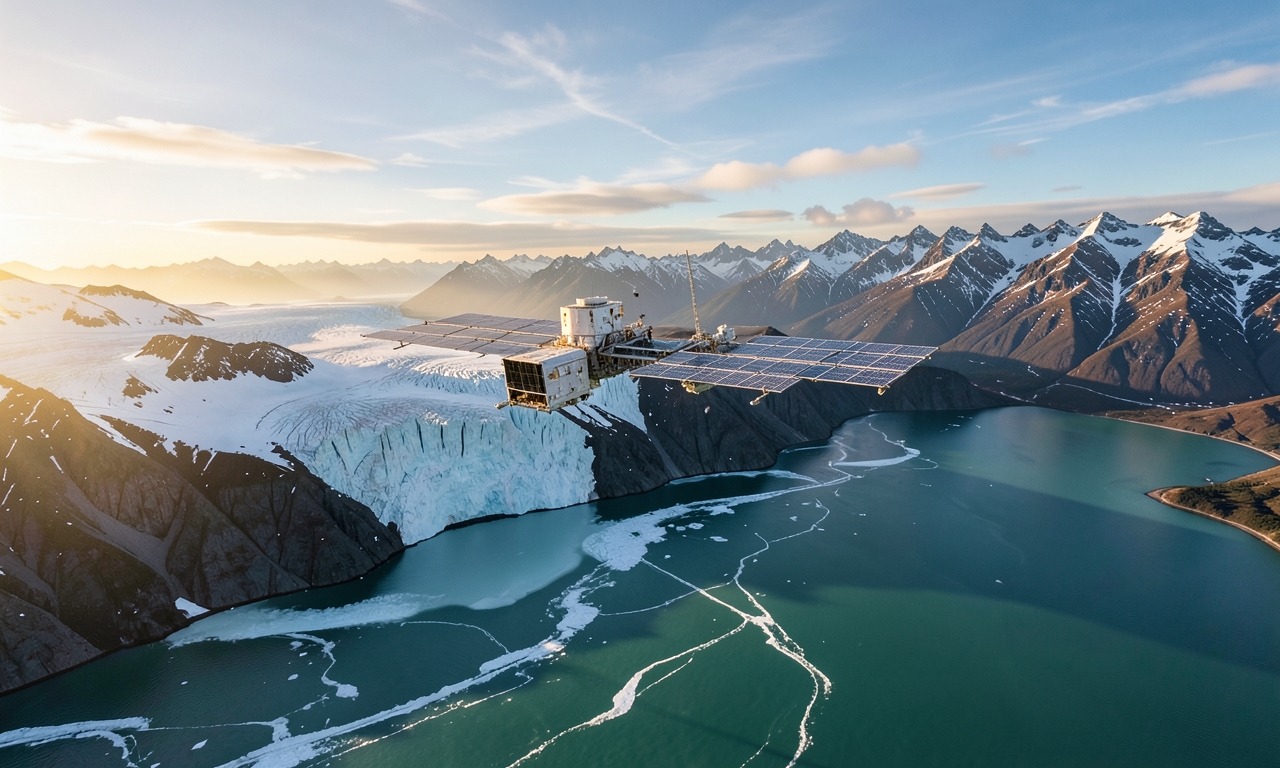
The crew aboard the International Space Station (ISS) has been conducting routine Earth observations, focusing on the Southern Patagonia Icefield. Recent satellite and onboard camera imagery reveal notable alterations in the glacial system over the past months.
Formation of Ice Fragments
Rising temperatures and shifting precipitation patterns are causing the ice margins to fracture. The resulting ice shards drift into the ocean, creating a visible frothy trail detectable from the station.
Climate Implications
Spanning the border region between Chile and Argentina, the icefield serves as a key indicator of regional climate dynamics. Its melt contributes to sea‑level rise and impacts local ecosystems.
Supplementary Measurements
Beyond visual monitoring, the ISS records surface temperature and albedo data. These measurements are shared with research institutions worldwide to improve climate‑change modeling.
Future Outlook
The findings underscore the icefield’s sensitivity to global warming. Scientists stress the importance of sustained observation to better understand consequences for sea levels and water resources.