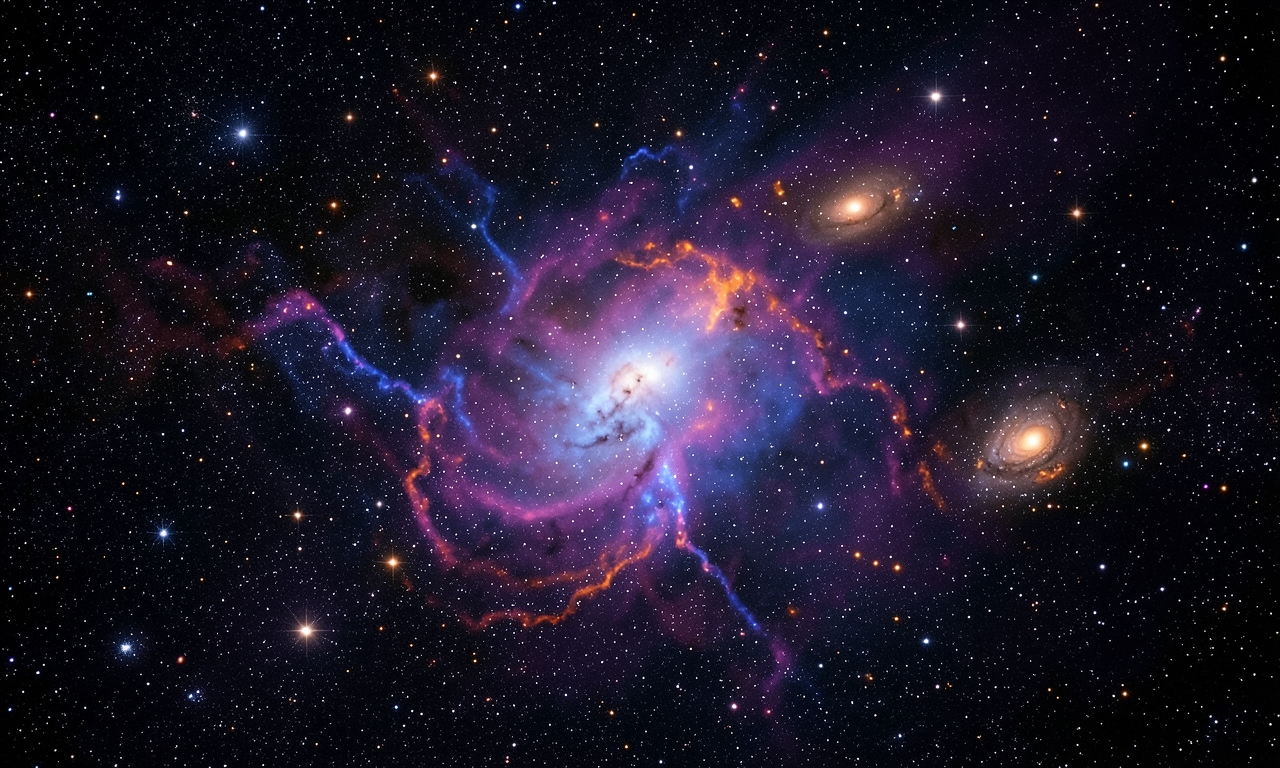
Anticipated Rare Outburst
The variable star T Coronae Borealis, known among astronomers as the “Blaze Star,” is entering a phase where a powerful outburst is expected. Experts predict a significant increase in its apparent magnitude within the next few days.
Potential to Match Polaris
If the outburst proceeds as forecast, T Coronae Borealis could reach a brightness comparable to Polaris, the current North Star. This would render the object visible to observers across the northern hemisphere, even from moderately light‑polluted locations.
Where and When to Look
The star resides in the constellation Corona Borealis, close to the border with Corona Australis. It is best observed during late evening hours when the constellations are above the horizon. Precise coordinates can be obtained via star‑mapping applications.
Scientific Relevance
Such an event offers valuable insight into the behavior of symbiotic binary systems, where a white dwarf accretes material from a companion. The sudden release of energy helps researchers study accretion mechanisms and the conditions that lead to nova‑like phenomena.
Observation Tips
- Use binoculars or a small telescope to resolve details.
- Protect your eyes if the star becomes exceptionally bright.
- Check local weather forecasts, as cloud cover can impede visibility.