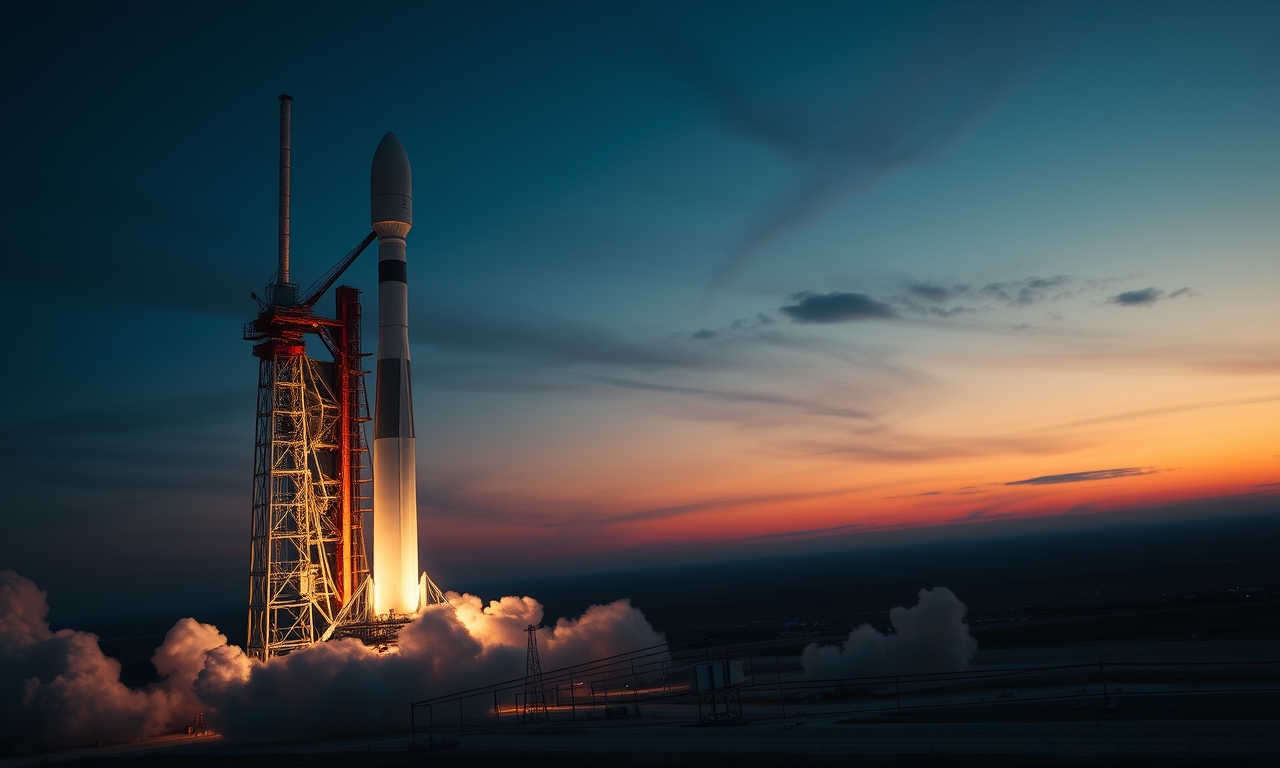
Moody's assigns Baa1 to SpaceX
Rating agency Moody's has granted SpaceX its first investment‑grade rating of Baa1, accompanied by a stable outlook. This places the company two notches above Tesla, which holds a Baa3 rating.
Musk's public response
Elon Musk, CEO of both Tesla and SpaceX, publicly challenged Moody's methodology, questioning the comparability of the two firms and why the space venture received a higher rating.
Moody's rationale for SpaceX
The agency cited SpaceX's market leadership, stable cash flow from recurring launch contracts, and a diversified customer base as key factors. Technical expertise and an expanding portfolio of satellite and space services were also highlighted.
Tesla's credit profile
Tesla's Baa3 rating, while still within investment grade, reflects a higher risk assessment due to automotive sector volatility, reliance on government incentives, and production targets that have yet to be fully met.
Outlook and potential impact
Both companies remain under investor scrutiny. A higher rating can lower financing costs, whereas Musk's criticism may intensify debate over the suitability of credit ratings.