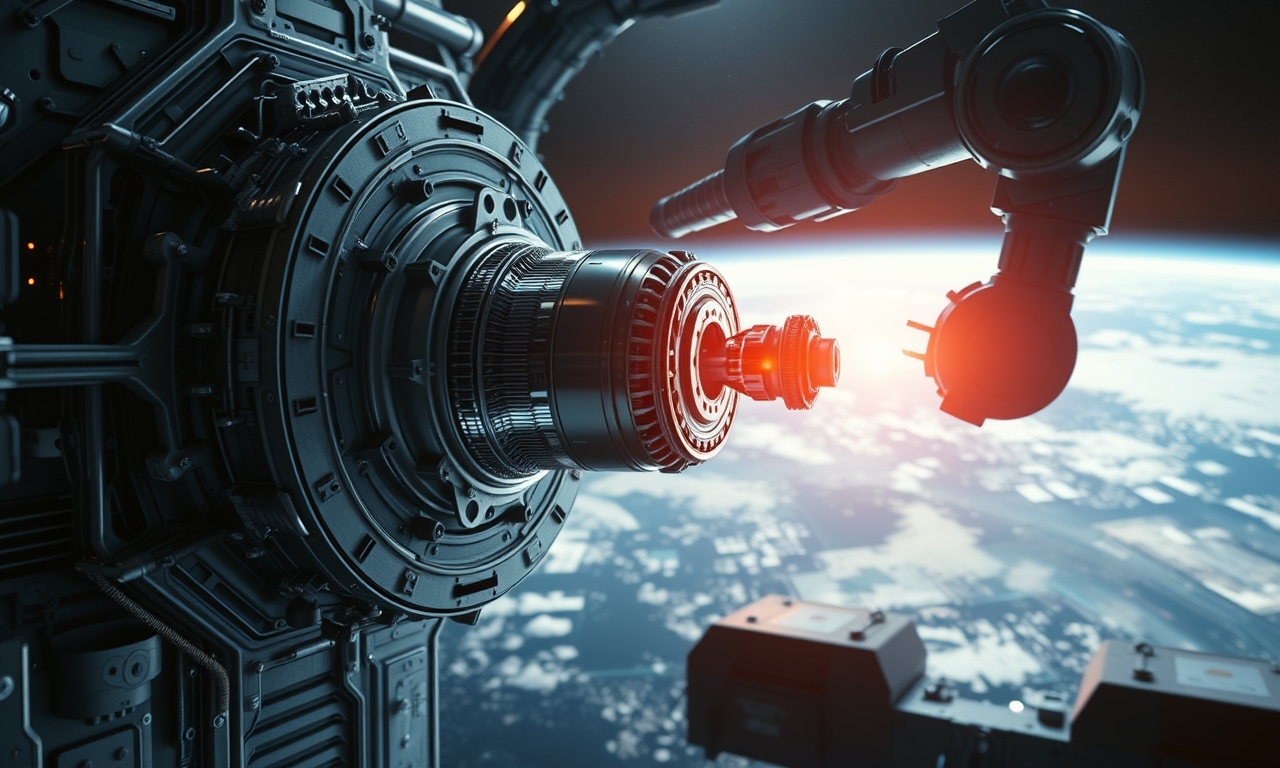
Superconducting Space Thruster Completes Initial Orbital Demonstration
A new type of spacecraft engine that relies on superconducting magnets has finished its first mission in low Earth orbit. The device generates thrust by coupling the planet's magnetic field with an electric current supplied by solar panels, eliminating the need for traditional propellant.
The prototype, mounted on a small satellite, performed a series of maneuvers over several weeks. The tests confirmed that the system can produce controlled accelerations solely through the interaction between the superconducting coils and Earth's magnetic field.
Power for the thruster is drawn from onboard photovoltaic arrays, which feed the required current to the magnets. By merging solar energy with superconducting technology, future missions could reduce dependence on chemical fuels, potentially lowering costs for long‑duration flights and heavy payloads.
- Superconducting magnets create strong fields with minimal heat loss.
- Earth's magnetosphere provides the reaction force for thrust.
- Solar panels supply the electrical power needed for operation.
The data are now being reviewed by space agencies and industry partners to assess scalability for larger spacecraft. If subsequent trials validate the concept, this propulsion method could reshape satellite station‑keeping and deep‑space travel.