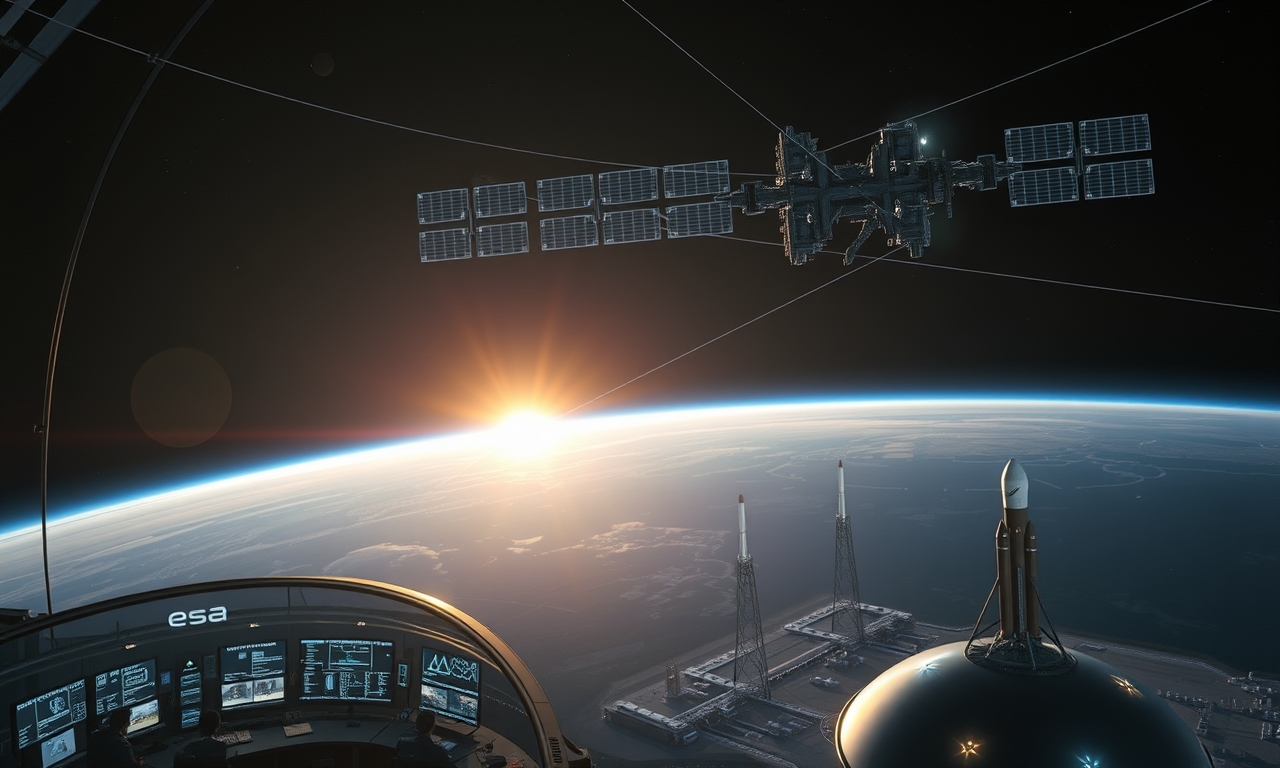
Strategic talks on autonomy and resilience
On the second day of the ILA Berlin Airshow 2026, the European Space Agency (ESA) outlined its long‑term vision for autonomous space systems. Delegates from governments, industry and academia debated ways to reduce reliance on external providers while boosting the robustness of satellite and ground infrastructures.
Live link with astronaut Sophie Adenot
A standout moment was a real‑time conversation with ESA astronaut Sophie Adenot, currently involved in a European astronaut programme mission. She addressed questions about the challenges of long‑duration flights, the role of international cooperation and future prospects for crewed missions serving European interests.
Broadening space benefits for Europe
The session highlighted that space applications extend far beyond traditional communications. Climate monitoring, secure navigation and technology development for lunar and Martian exploration were presented as key pillars of a cohesive European space strategy.
Outlook on upcoming programmes
Following the discussions, ESA announced several new initiatives, including an EU‑funded project to create autonomous service modules for low‑Earth‑orbit satellites and a joint research programme with international partners aimed at enhancing system resilience against space‑weather events.