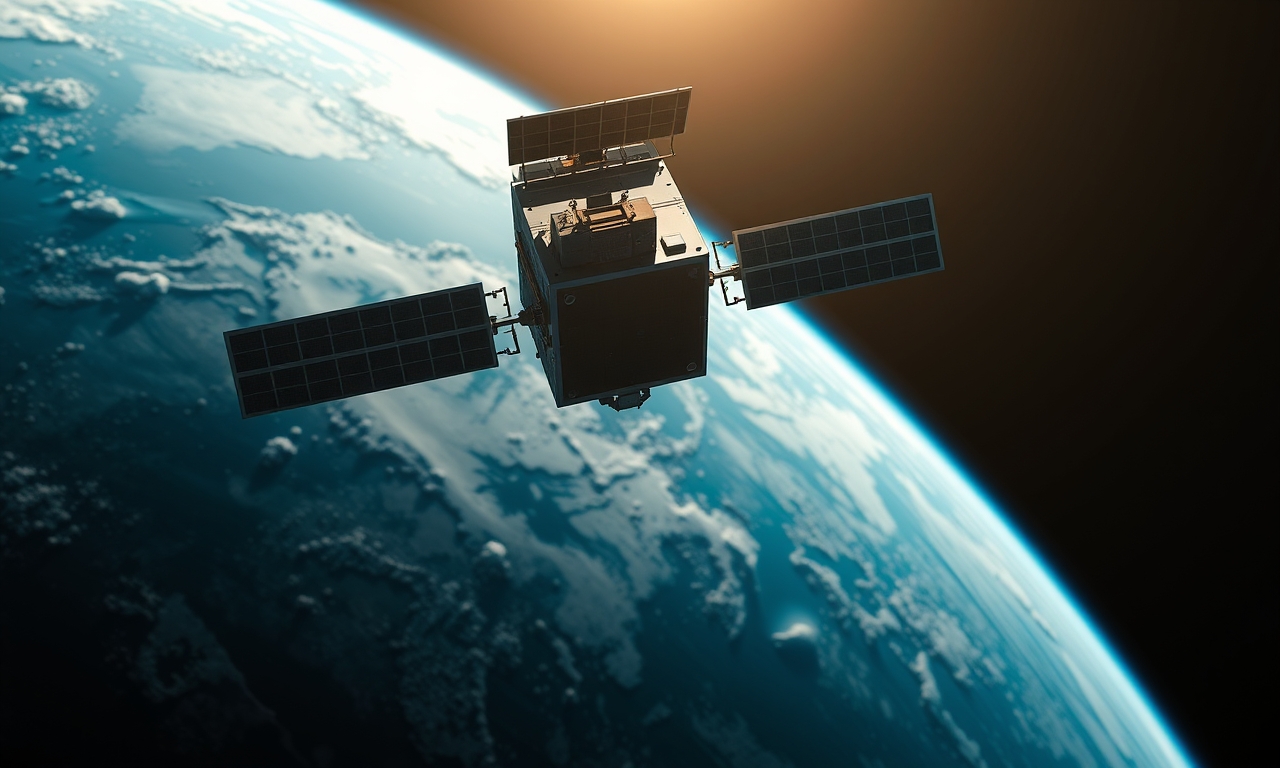
First CubeSat designed for asteroid surface operations
The European Space Agency (ESA) has awarded a contract to Spanish firm EMXYS to develop a miniature spacecraft that will operate after being deployed on an asteroid’s surface. Named Don Quijote, the unit is roughly the size of a shoebox.
Integration with the Ramses mission
Don Quijote will be carried aboard ESA’s Ramses mission and released onto the near‑Earth asteroid Apophis. Once detached from the primary spacecraft, the CubeSat is intended to land, conduct measurements and test interaction with the regolith.
Timeline and objectives
Apophis is scheduled to make a close approach to Earth on 13 April 2029. The mission leverages this event to gather data relevant to future deflection or resource‑extraction scenarios. The CubeSat is expected to remain active on the surface for several weeks, monitoring temperature, radiation and mechanical properties of the material.
Implications for space technology
Creating a functional surface‑CubeSat represents a technological breakthrough, as prior surface missions have relied on larger spacecraft. Success could pave the way for cost‑effective, modular missions to small bodies.
Future outlook
EMXYS is collaborating closely with ESA engineers to qualify the systems for the harsh asteroid environment. Findings from the Don Quijote experiment are slated for release by the end of 2029 and may establish new standards for asteroid exploration.