Organic molecules on the Red Planet
For decades, landers and rovers have confirmed the presence of carbon‑hydrogen compounds in Martian soils and rocks. The term "organic" merely denotes molecules built from carbon and hydrogen, without implying a biological origin.
Chirality as a potential biosignature
A distinctive property of many biologically produced compounds is chirality – the existence of left‑handed and right‑handed forms. On Earth, almost all amino acids and sugars exhibit a uniform handedness, making chirality a strong indicator of life‑related processes.
New instrument on the Rosalind Franklin rover
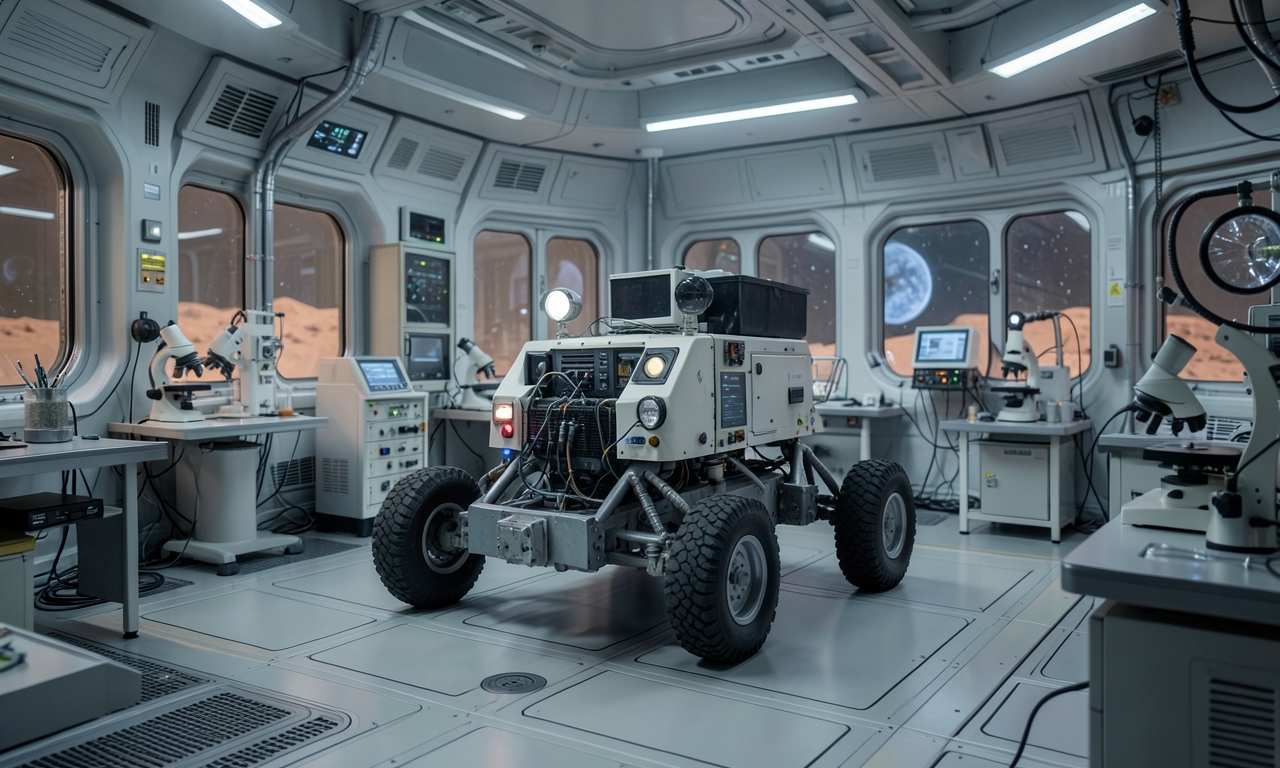
As part of the ExoMars program, a joint effort by the European Space Agency (ESA) and NASA, the Rosalind Franklin rover is scheduled for launch in the 2030s. It will carry a newly developed chirality detector capable of measuring the handedness of organic molecules directly on the Martian surface.
Technical approach
- Mass spectrometry coupled with polarized light to separate left‑ and right‑handed enantiomers.
- Sampling up to two metres below the surface, where organics are better preserved.
- Automated data transmission to Earth for real‑time analysis.
Implications for astrobiology
Finding a predominance of one enantiomer would raise the likelihood that Martian organics were once produced by living organisms. Conversely, a racemic mixture would suggest purely abiotic chemistry.