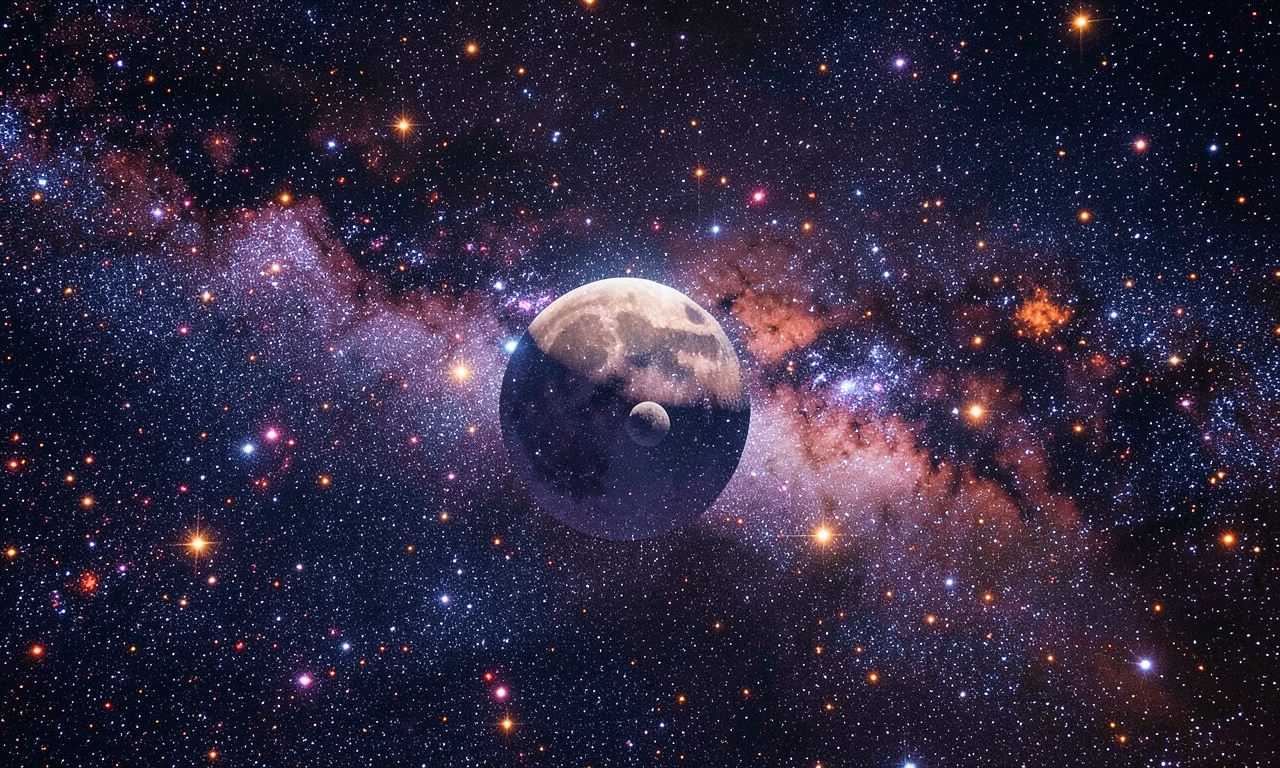
On August 28, 2026 a deep partial lunar eclipse will occur, in which Earth's shadow covers a large fraction of the Moon's disc. Observers across much of Europe, Africa, Asia and parts of the Americas will be able to see the event under clear skies. The Moon will appear almost completely darkened, with only a thin sliver of sunlight remaining visible.
This eclipse is the fourth and final event in a series of two solar and two lunar eclipses during 2026, marking the close of the second eclipse season of the year that began with the total solar eclipse on August 12. After this date there are no further eclipses scheduled for the remainder of the year.
During a partial lunar eclipse the Moon passes only partly through the umbra, the inner, fully shadowed portion of Earth's shadow. In the upcoming event the umbra will obscure roughly 95 % of the lunar diameter, leading experts to describe it as an “almost total” eclipse. The peak is expected around 02:30 UT, with the entire phenomenon lasting about three hours.
For those wishing to watch, a location with an unobstructed view to the southwest is recommended; no special equipment is required. A pair of binoculars can enhance the view, but the eclipse is readily visible to the naked eye. In case of poor weather, live streams from observatories provide a viable alternative.