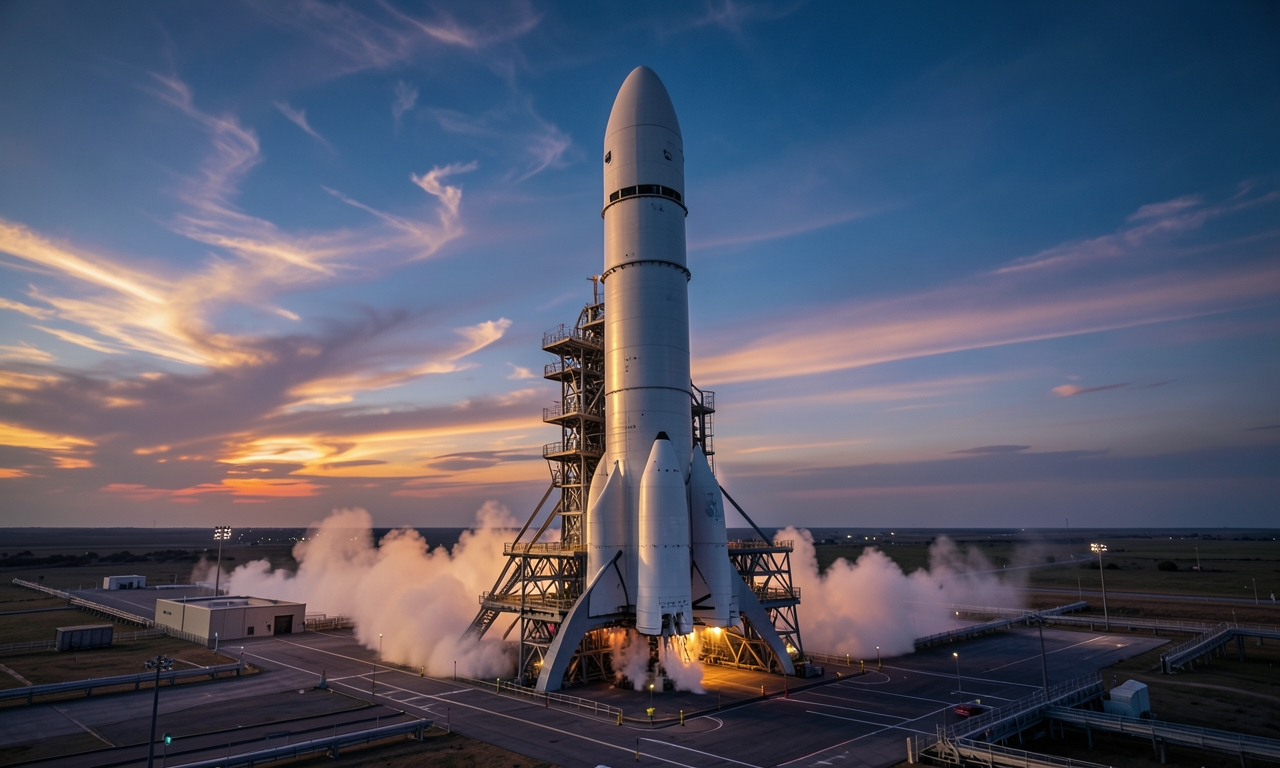
A historic step for satellite power systems
During the Transporter‑17 rideshare launch, SpaceX placed a satellite into low‑Earth orbit that is the first commercially designed spacecraft to rely on nuclear power. The launch took place from SpaceX’s Starbase facility in Texas, underscoring a new era for space‑based energy solutions.
Technology and operator
The payload is equipped with a compact radio‑isotope thermoelectric generator (RTG) that provides continuous electricity over many years. The satellite’s owner, a U.S. private company, intends to use the generated power for high‑bandwidth communications and advanced sensing equipment that cannot be reliably sustained by solar panels alone.
Regulatory and safety considerations
Prior to flight, the mission cleared extensive approvals from the U.S. Nuclear Regulatory Commission and the Federal Aviation Administration. Safety protocols mandate robust shielding of the RTG during launch and strict contingency measures while in orbit.
Implications for the industry
The successful deployment of a nuclear‑powered commercial satellite may unlock new markets, especially for deep‑space missions where sunlight is insufficient. Analysts view this as a stepping stone toward permanently powered lunar and Martian platforms.
Future outlook
- Ongoing validation of RTG long‑term performance
- Plans for additional nuclear‑enabled satellites
- Development of regulatory frameworks for commercial space nuclear power