The 1976 mission revisited
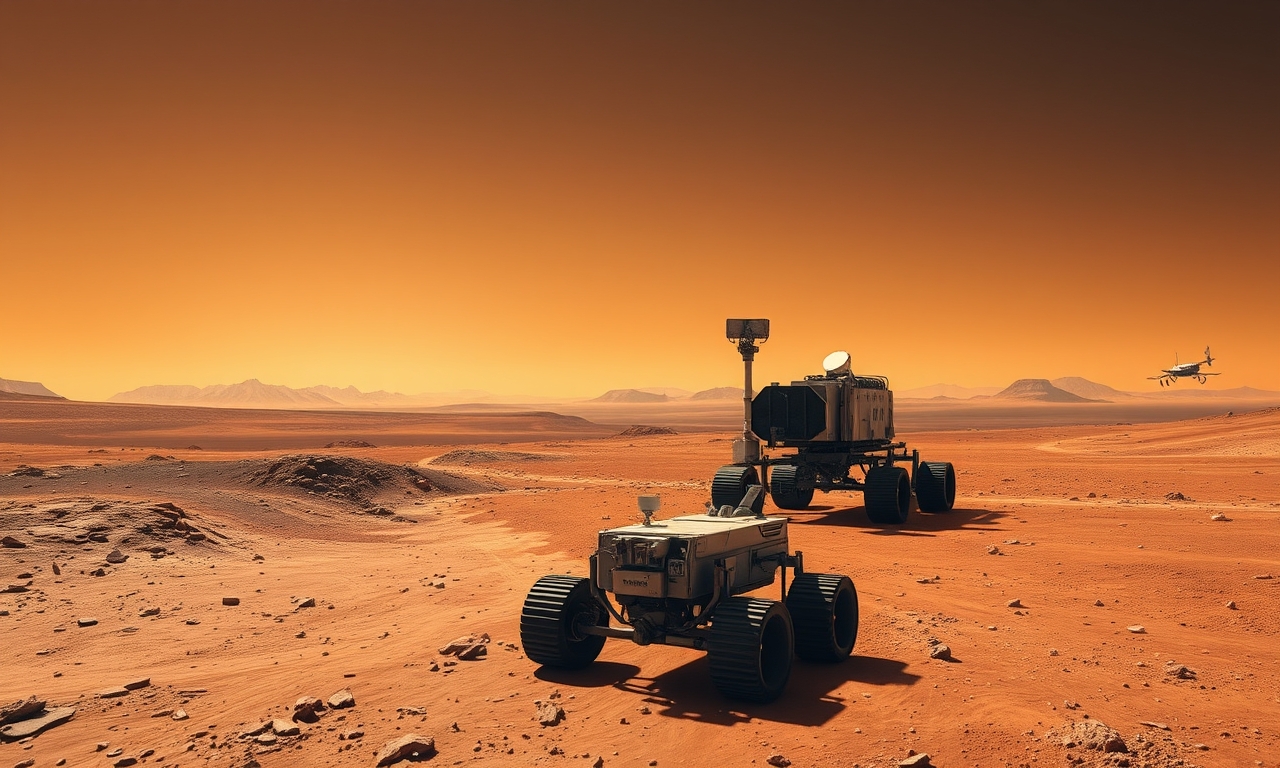
In July 1976, NASA's Viking 1 lander became the first American spacecraft to successfully operate on the Martian surface. Its onboard experiments were designed to test the soil for any indication of biological activity. More than fifty years later, experts still disagree on how the collected measurements should be interpreted.
The lander's instruments carried out procedures in which Martian soil was exposed to nutrients and then checked for emitted gases. Certain responses surprised researchers and were viewed by some as potential evidence of living processes. Other specialists attributed the observations to non-biological chemical reactions within the planet's dusty ground material.
Why the discussion persists
Even though decades have passed and later missions returned additional information, the question of whether Viking 1 recorded traces of life is considered open. Divergent analyses of the original data sets and the lack of direct confirmation have prevented any consensus. The fiftieth anniversary of the landing has renewed public and scientific interest in the topic.
- Viking 1 formed part of NASA's early program to explore the Martian surface directly.
- The biological tests produced ambiguous signals.
- Scientists remain split between chemical and biological explanations.
The continuing uncertainty shows how difficult it is to confirm life beyond Earth even with samples measured in place. Upcoming missions equipped with more advanced tools aim to search again for signs of past or present habitability.