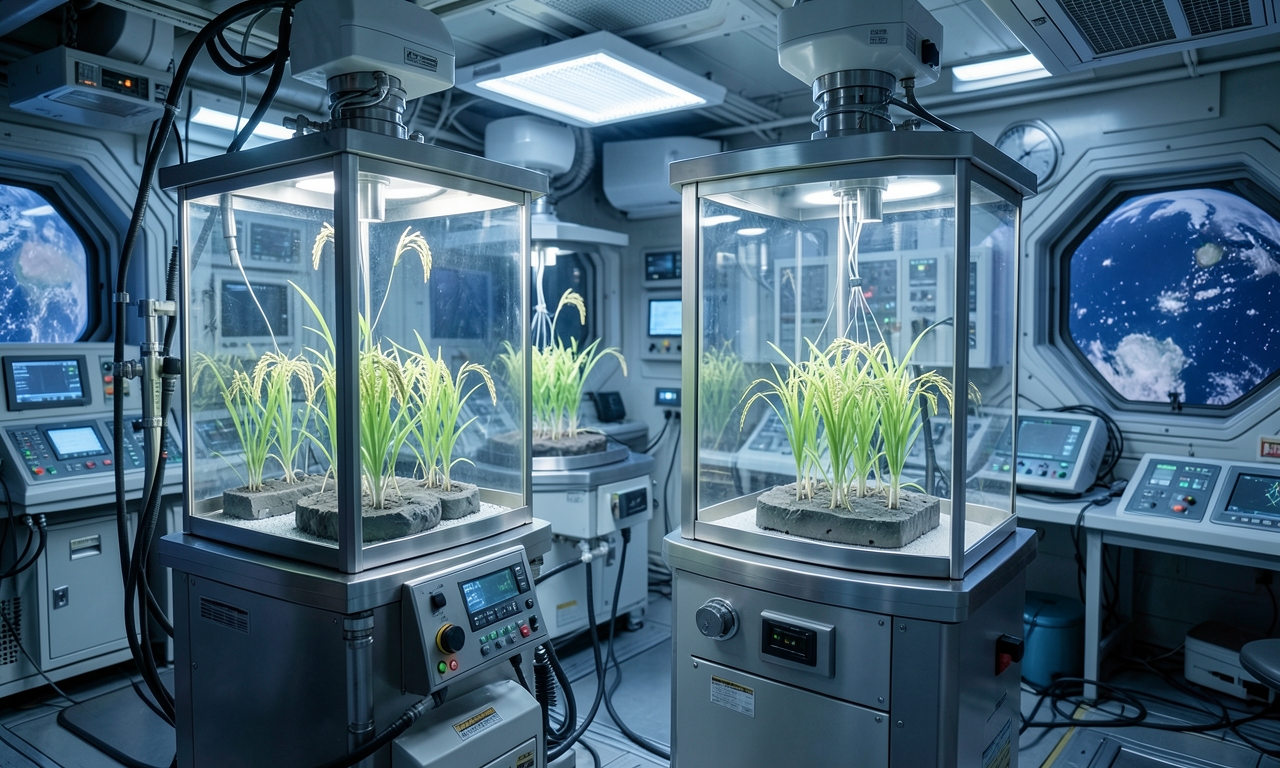
Japanese scientists have built a device that draws nitrogen directly from the surrounding air with minimal energy consumption and converts it into a usable fertilizer. The system was then tested by cultivating rice in a substrate that mimics the properties of lunar regolith.
The experiment showed that the fertilizer produced by the device was sufficient to let rice seeds germinate and develop into healthy plants. The crops formed stalks and grains comparable to those grown under conventional conditions.
Additional Discovery: Stress Tolerance and Nutritional Quality
During the trials the researchers observed that plants fed with the air‑derived nitrogen fertilizer exhibited greater tolerance to environmental stresses. Moreover, tissue analysis revealed higher levels of certain amino acids, suggesting an improved nutritional profile.
The team attributes this side effect to the altered nitrogen availability, which appears to modify plant metabolic pathways. The finding could be useful not only for future lunar habitats but also point toward more sustainable farming practices on Earth.
- Potential reduction of synthetic fertilizer use
- Enhanced plant resilience under harsh conditions
- Increased nutrient content of staple crops
Further work will focus on the long‑term effects of the method and its scalability for closed‑loop life‑support systems in space.