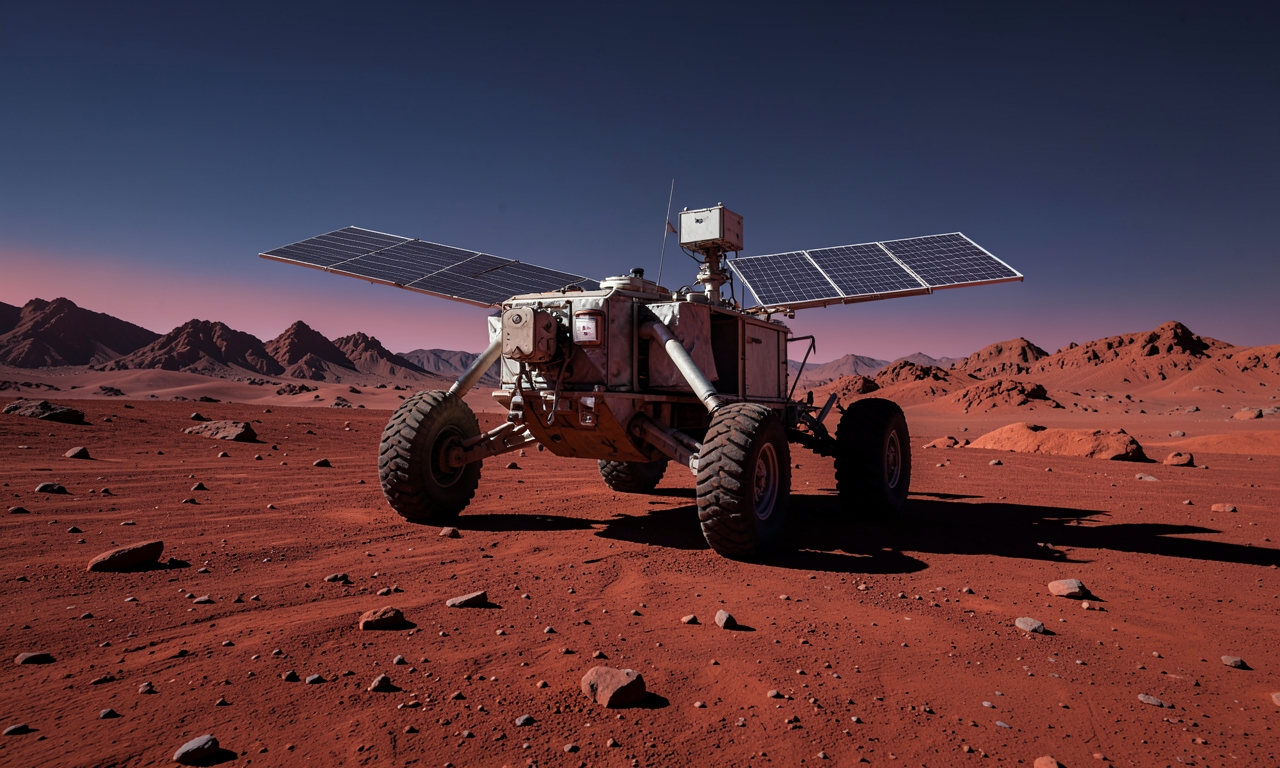
Initial Health Guideline for Martian Dust
NASA has released a report recommending an initial health standard for the dust that astronauts could inhale during future Mars missions.
Although a crewed flight to Mars is still several years away, the agency stresses the need to establish clear exposure limits now.
Designing spacecraft, suits, and habitats takes years, and engineers require concrete targets to develop effective air filters, airlocks, and suit‑cleaning systems.
The proposed limit is based on early toxicological studies of dust analogues produced from Mars‑like material on Earth.
Setting the standard early allows filter and seal manufacturers to tailor their products to the unique challenges of Martian dust.
The aim is to protect astronauts’ respiratory systems and minimize long‑term health risks.
NASA is collaborating closely with international partners and research institutions to broaden the data base and reduce uncertainties.
Further investigations will examine the effects of prolonged exposure and possible interactions with other environmental factors such as radiation.
The findings will directly inform the specifications for the next generation of space suits and habitat air‑purification systems.