Unexpected UV emission from a primordial galaxy
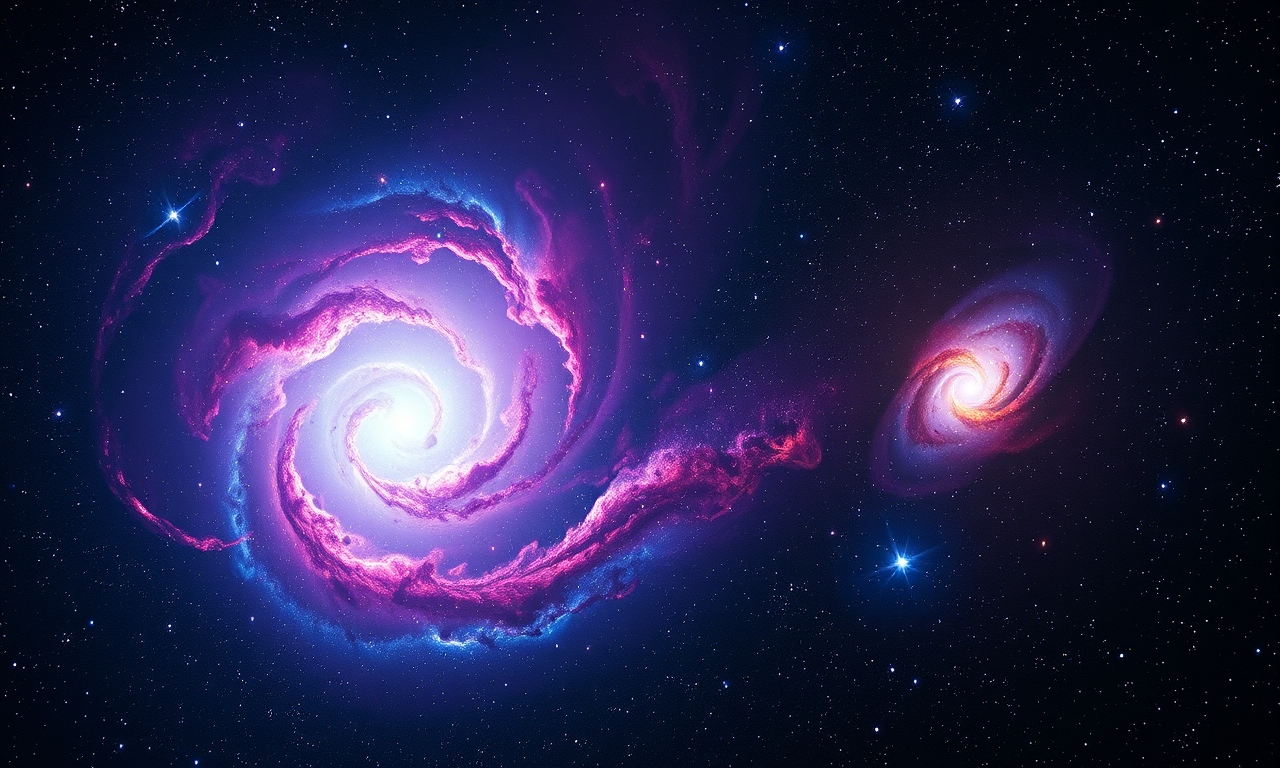
Scientists operating NASA's Hubble Space Telescope have recorded ultraviolet light emanating from a galaxy that existed only 1.4 billion years after the Big Bang. The radiation originates from tightly packed young stars that emit high‑energy photons.
Effect on the surrounding medium
This ionizing radiation is powerful enough to penetrate and ionize the previously opaque, neutral hydrogen gas both within and around the galaxy, creating a clearer view where a dense hydrogen fog would otherwise obscure observations.
Implications for cosmic reionization
The findings suggest that similar compact star‑forming regions in the early universe may have played a major role in dispersing the neutral hydrogen fog, a critical step toward the transparent cosmos we see today.
Future observations
The research team intends to combine additional high‑resolution Hubble imaging with data from other observatories to assess how common such UV‑bright galaxies were and to refine their contribution to the reionization epoch.