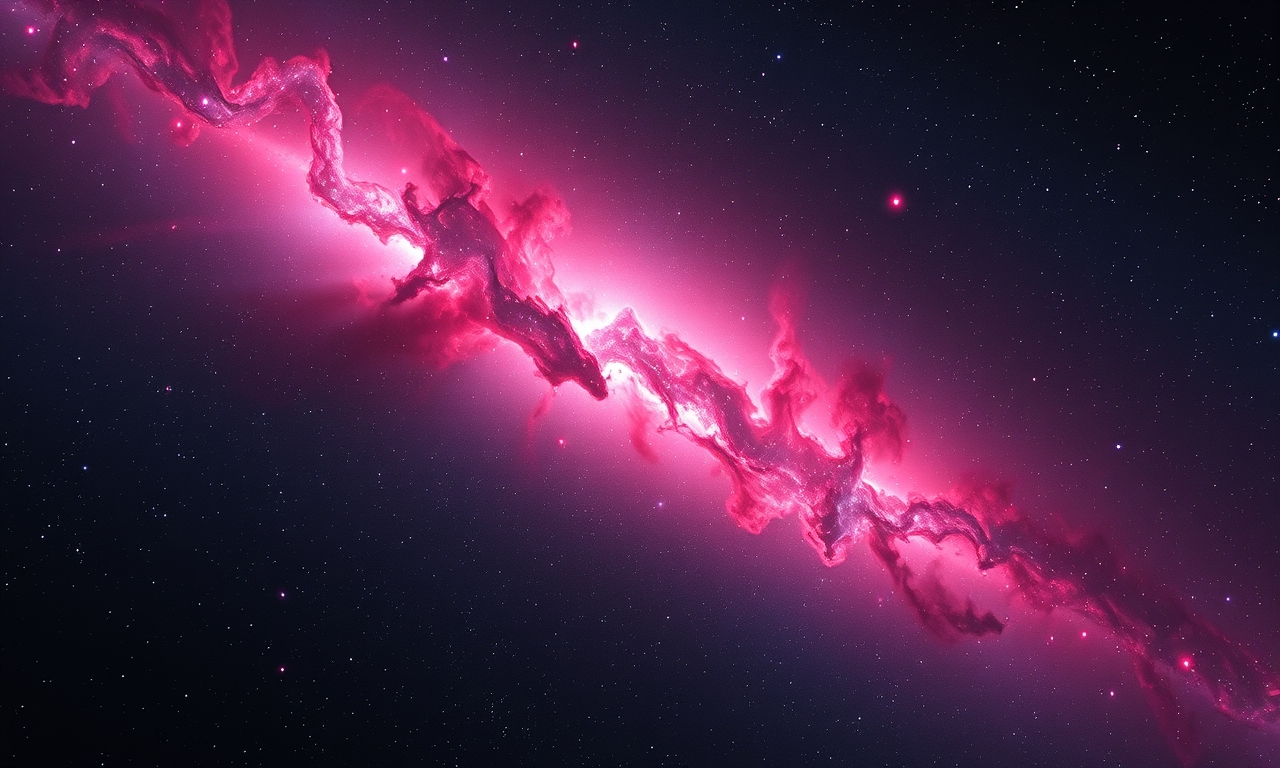
A Vibrant Starfield for July 4th
The Hubble Space Telescope has returned an image in which red, white and blue hues intertwine across a stellar cluster. The visual effect, likened to a sparkler flashing against a dark backdrop, was released shortly before the United States’ Independence Day.
Observation context and methodology
The photograph originates from observations of a star‑forming region in the constellation Cygnus, an area noted for its numerous young, massive stars. The colour mapping derives from spectral data, assigning red, white or blue tones to specific wavelength ranges to highlight temperature and elemental composition.
Scientific relevance
By accentuating distinct stellar populations, the image aids researchers in tracing the star‑formation history of the region. The stark colour contrasts help differentiate hot, massive stars from cooler, older objects, providing valuable input for models of galactic evolution.
Public response
Released on the eve of July 4th, the picture quickly garnered attention on social platforms, where many viewers linked the colour scheme to American celebrations, despite its purely scientific origin.