First Flight of H3 in Lightest Version
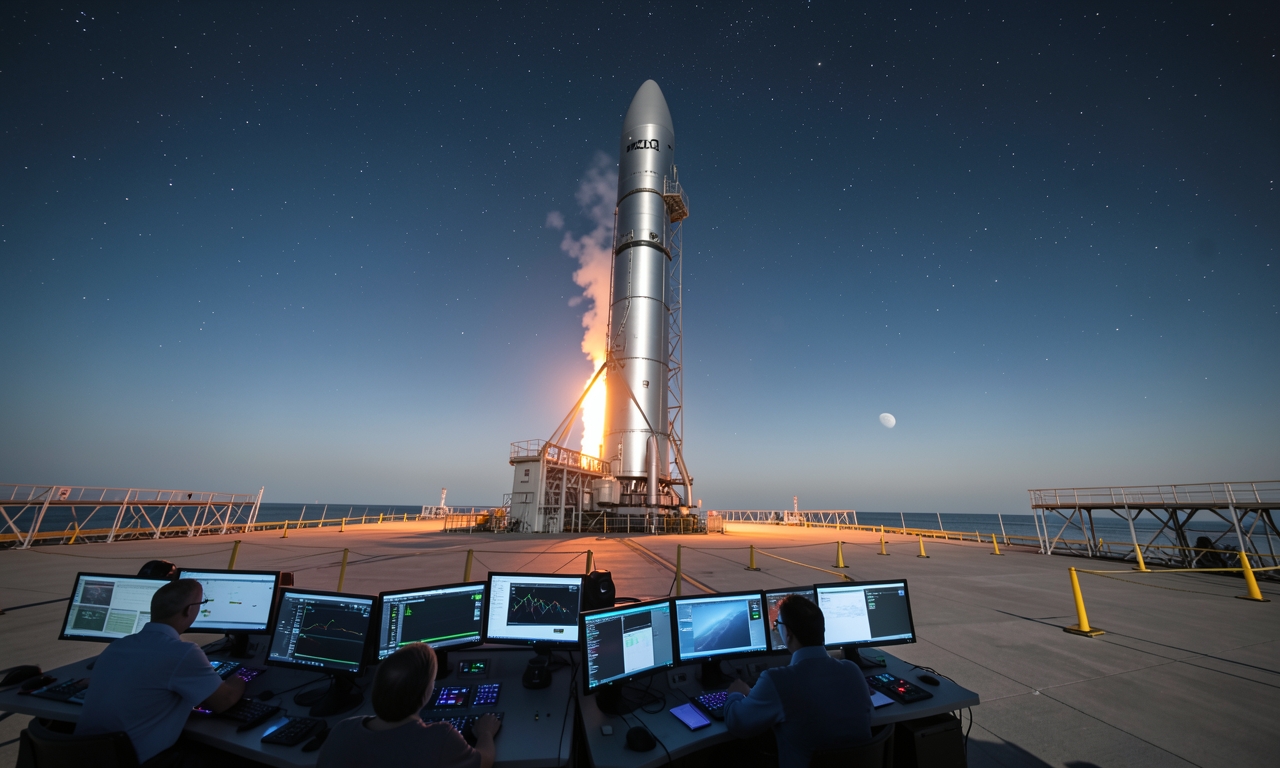
On Friday, Japan’s H3 launch vehicle performed its first flight since the pause in test launches, lifting off from Tanegashima Space Center with the lightest configuration ever built for the rocket.
Technical Characteristics of the New Variant
The streamlined version employs a single first‑stage engine and a simplified upper‑stage system, reducing the vehicle’s launch mass by roughly 1,200 kg compared with previous missions. Payload capacity to low‑Earth orbit is about 4.5 t, while the maximum capacity to higher orbits remains around 1.5 t.
Mission Objective and Significance
The launch served as a demonstration of the new configuration’s performance and aimed to validate its suitability for lighter satellite missions. The success bolsters Japan’s competitiveness in the global launch market and supports upcoming governmental and commercial satellite programs.
Future Plans
Following the successful maiden flight, the Japan Aerospace Exploration Agency (JAXA) intends to schedule additional launches using the light H3 variant to enhance flexibility and cost‑effectiveness of its launch services. Development of a heavier H3 version continues in parallel to accommodate larger payloads.