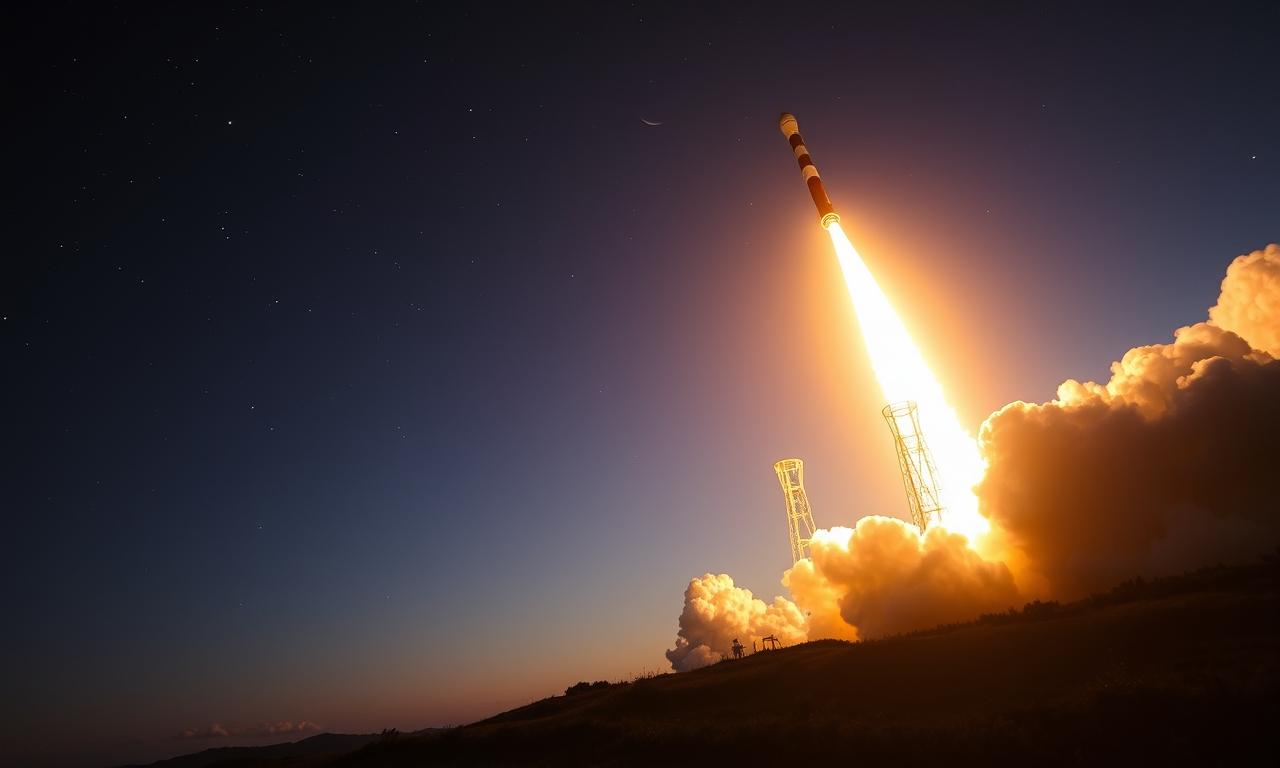
Successful Return Flight of the H3
Japan has completed its first successful mission with the H3 launch vehicle since the failed flight last year. The rocket lifted off from the Tanegashima Space Center and placed six satellites into low‑Earth orbit.
Background of the Failure
The previous launch ended in loss of payload due to an engine anomaly. Extensive investigations led to design revisions and additional testing before the vehicle was cleared for flight again.
Mission Payload
The current flight carried six small satellites operated by Japanese companies and research institutes, intended to demonstrate new communications and Earth‑observation capabilities.
Technical Improvements
Before the restart, the H3’s engines were refurbished and the avionics upgraded. Mitsubishi Heavy Industries, the rocket’s manufacturer, added extra sensors to monitor critical parameters during ascent.
Implications for Japan’s Space Program
The successful launch restores confidence in Japan’s domestic launch capability and re‑establishes the country as a reliable provider of launch services. The H3 is expected to offer cost‑effective, flexible access to space for small and medium‑size payloads.