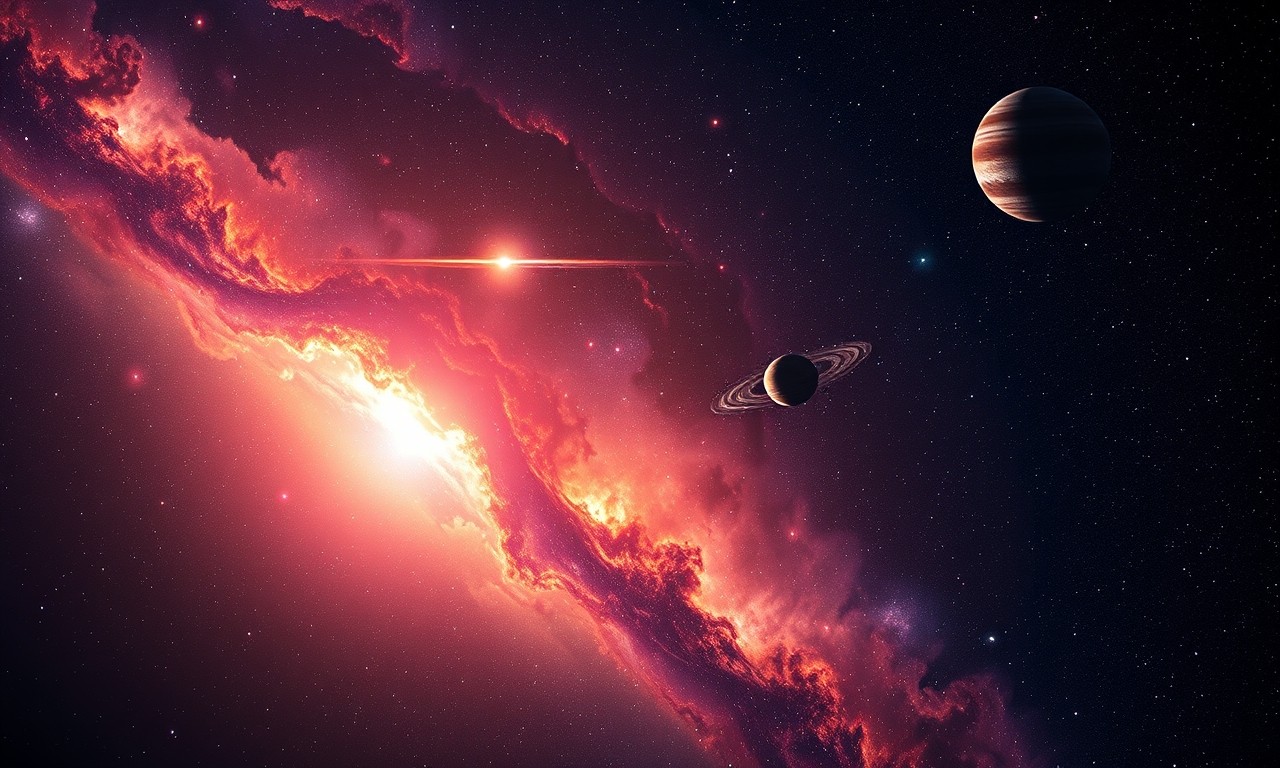
Venus as the Evening Star
During July the planet Venus becomes exceptionally bright in the western sky shortly after sunset. Its intense glow makes it the most prominent object for anyone enjoying the twilight.
Saturn in the Early Morning
As dawn approaches, Saturn rises in the east once the sky darkens. The ringed planet is easily visible to the naked eye, especially under clear conditions.
Mars and Uranus at Dawn
Shortly after Saturn, Mars appears with its characteristic reddish hue, while the faint Uranus also rises near the horizon, offering a rewarding target for seasoned observers.
Viewing Tips
- Choose a location with minimal light pollution for the best visibility.
- A pair of binoculars will enhance Saturn's rings and reveal surface details on Mars.
- A small telescope is advisable for Uranus, as it is a relatively dim object.
This quartet of planets creates a varied observing program throughout July, catering to both evening stargazers and early‑morning enthusiasts.