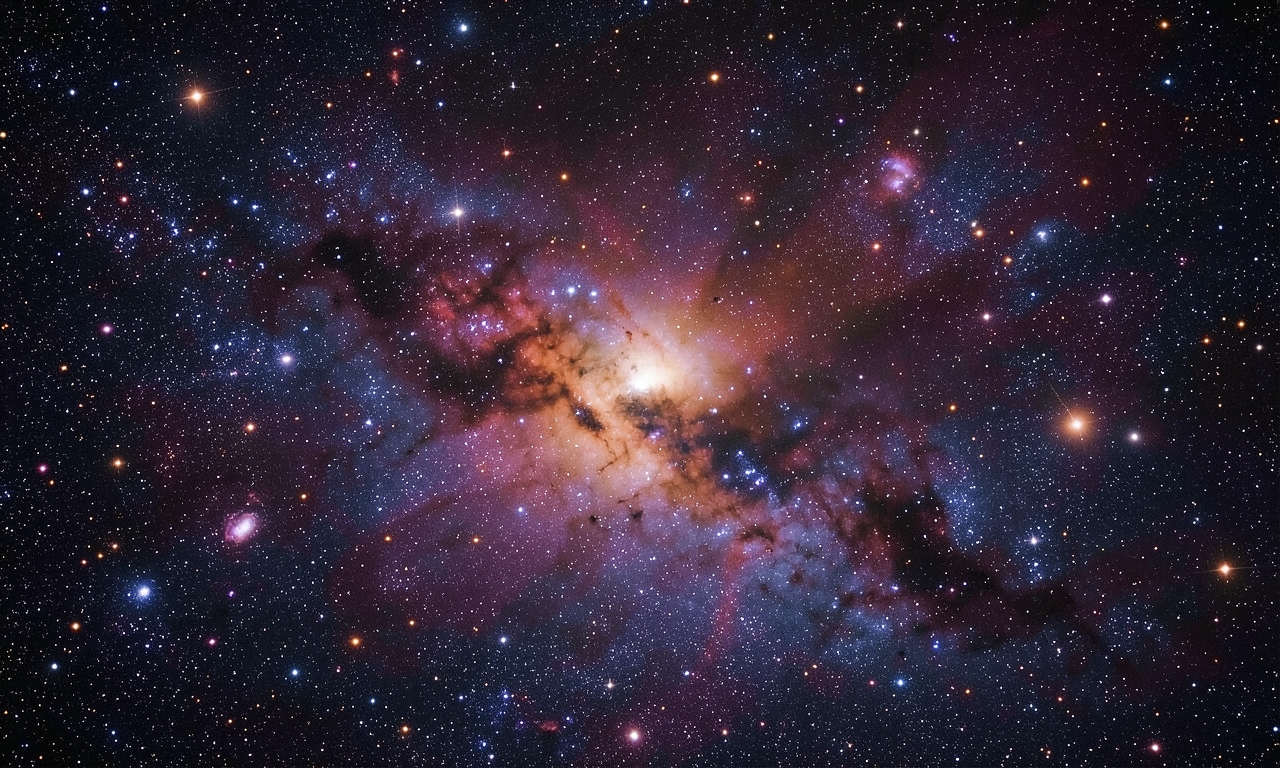
Comet McNaught’s Summer Outburst
During its recent passage near the Sun, Comet McNaught experienced two distinct outbursts that caused a noticeable increase in brightness.
The brightening occurred around perihelion, the point in the orbit where the comet comes closest to the Sun.
Observers reported a surprise display this summer, with the comet becoming visible to the naked eye under dark skies.
As the comet moves away from the Sun, its luminosity is expected to fade, giving viewers a limited window to catch it.
To improve the chances of spotting it, find a location with minimal light pollution, look low on the horizon after sunset, and use binoculars or a small telescope if available.
Enthusiasts are encouraged to check current sky charts for the comet’s position and to act quickly before it disappears from view.