A rising challenge for public outreach
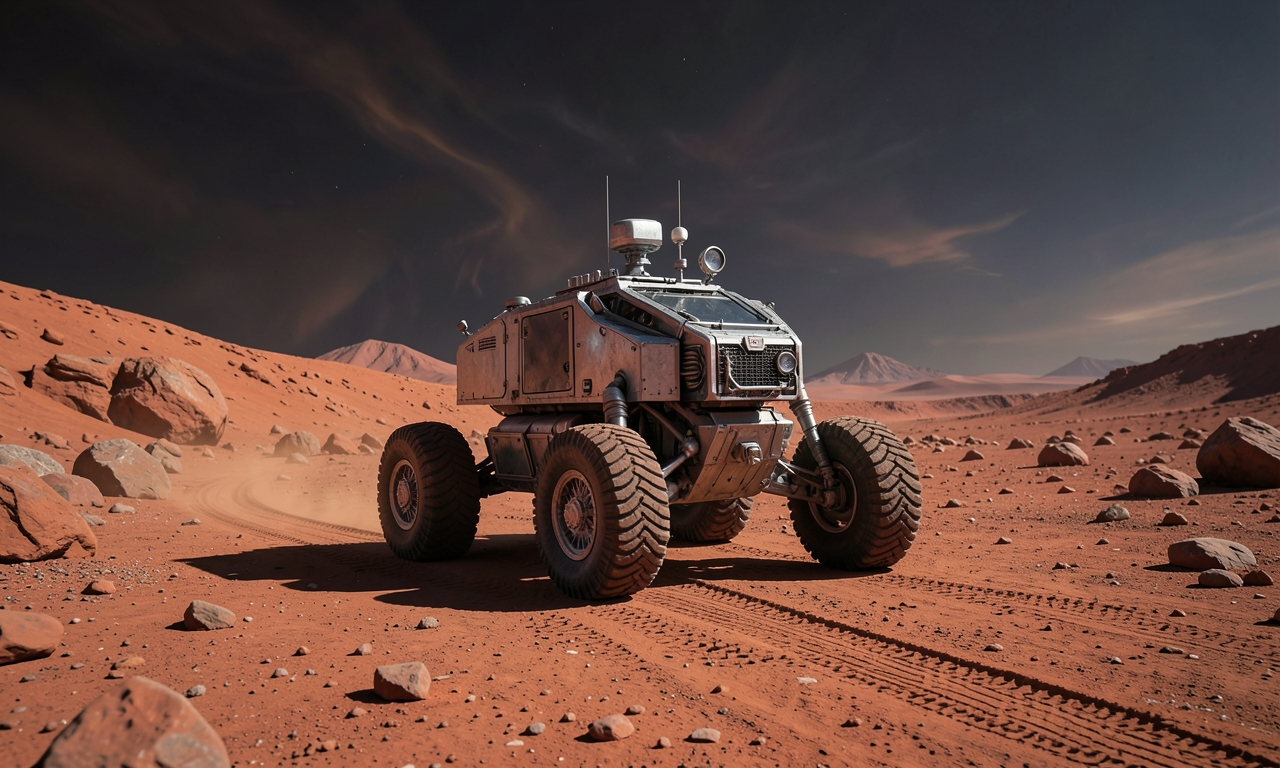
As NASA's Artemis program moves toward crewed lunar landings, the number of artistic renderings of the Moon and related activities has increased dramatically. Scientists and communication specialists warn that exaggerated or inaccurate images can distort the public's understanding of the harsh lunar environment and the goals of the missions.
Balancing realism and imagination
Historically, space artists have enjoyed creative freedom to emphasize drama and atmosphere. Today, with Artemis pursuing concrete objectives, there is a growing demand for visual accuracy. Omitting critical details such as extreme temperature swings, pervasive dust, or limited lighting could foster unrealistic expectations.
Responsibilities of educational and media institutions
Universities, museums, and media outlets are urged to collaborate closely with aerospace experts to vet visual content. Providing scientifically vetted references enables artists to produce works that are both aesthetically compelling and fact‑based.
Guidelines for creators
- Consult the latest NASA data, especially from Artemis missions.
- Engage with lunar geologists and astronauts to depict authentic surface conditions.
- Use imagery from the Lunar Reconnaissance Orbiter as a primary reference.
Looking ahead
As Artemis prepares for the return of humans to the Moon, visual communication will play a pivotal role in maintaining public support. Striking a balance between artistic liberty and scientific fidelity can reinforce confidence in the program and sustain interest in future lunar endeavors.