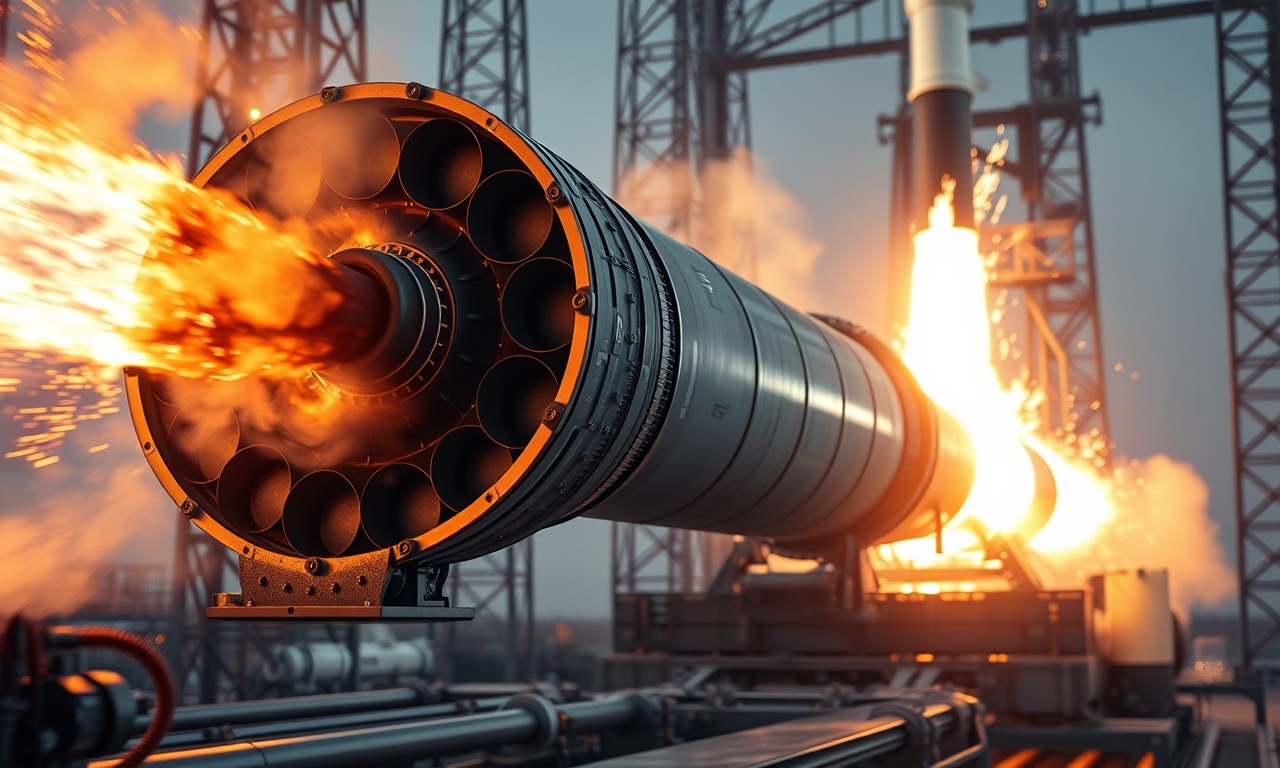
Ariane 6: Upgraded Booster and Higher Thrust
The Ariane 6 rocket lifted off from the Centre Spatial Guyanais in Kourou, French Guiana, featuring a larger first-stage booster that significantly expands its payload capability. The launch was streamed live, attracting engineers and space enthusiasts worldwide.
Technical Enhancements
The new booster, an advanced version of the P120C solid motor, incorporates a longer combustion chamber and additional strap‑on motors, together generating approximately 2,000 kN of thrust. This upgrade enables Ariane 6 to carry up to 10 % heavier satellites to geostationary transfer orbit (GTO) compared with its predecessor.
Implications for European Spaceflight
The successful flight represents a key milestone for the ESA‑led program, reinforcing Europe’s autonomous access to space for heavy payloads. The enhanced performance is expected to serve both commercial satellite operators and governmental missions, including upcoming Earth‑observation and communications projects.
Future Outlook
Following this inaugural flight, Ariane 6 is slated for additional launches in the next year, with several customers already signing contracts for upcoming missions. Data gathered from this test will be used to further improve the launcher’s reliability and efficiency.