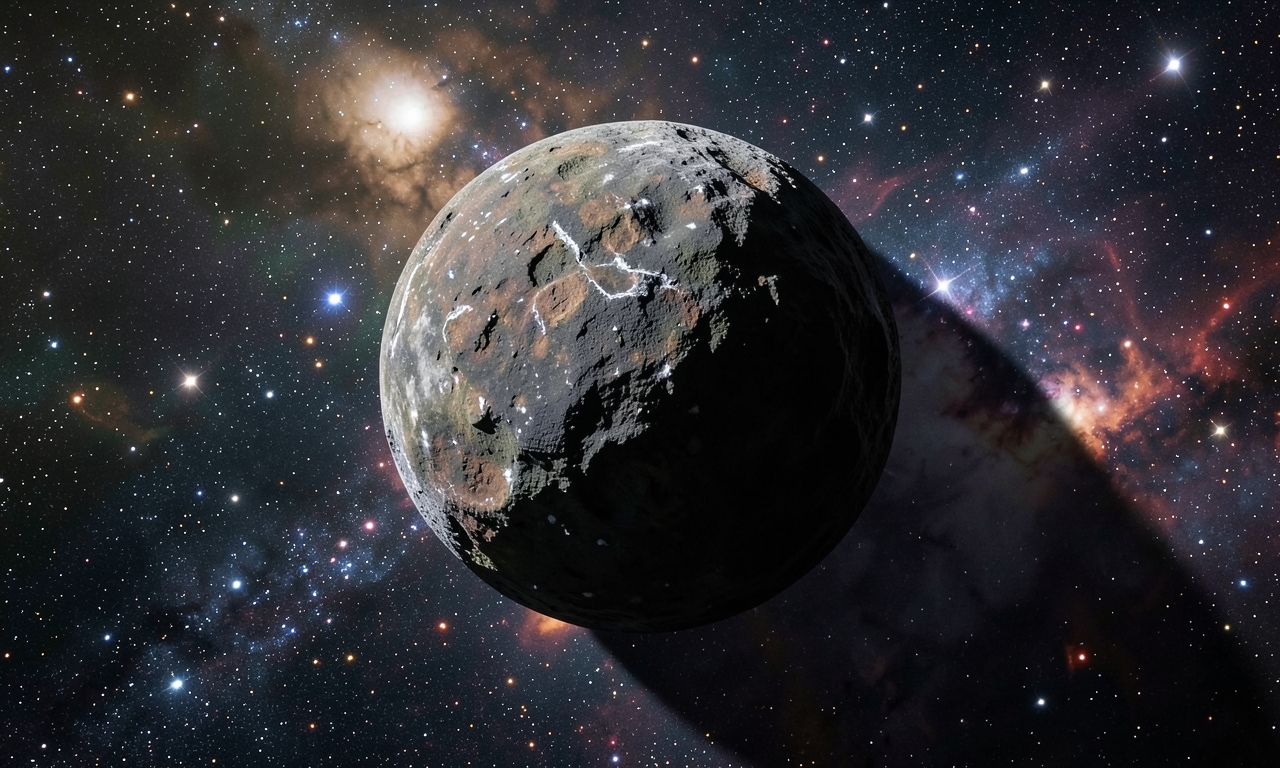
Tonight a global network of observatories will broadcast live footage of a near‑Earth asteroid whose dimensions are comparable to a multi‑story building. Classified as potentially hazardous, the object is traversing space at a distance that has been uncommon in recent decades.
Frequency of such close approaches
Data indicate that asteroids of this size approach Earth to a similar proximity roughly once every ten years. Researchers note that these events provide valuable insight for assessing impact risks.
Observing facilities
The feed is being provided by several agencies, including NASA’s Jet Propulsion Laboratory and the European Space Agency. Both ground‑based telescopes and space‑borne instruments are being used to monitor the body across multiple wavelengths.
Scientific relevance
Continuous observation allows scientists to refine the object's orbit, rotation rate, and surface characteristics. Such data are essential for developing future deflection strategies and quantifying the asteroid’s threat level to Earth.
How the public can watch
Viewers can access the live stream through the official websites of the participating space agencies. Interactive graphics showing the asteroid’s real‑time position are also available.